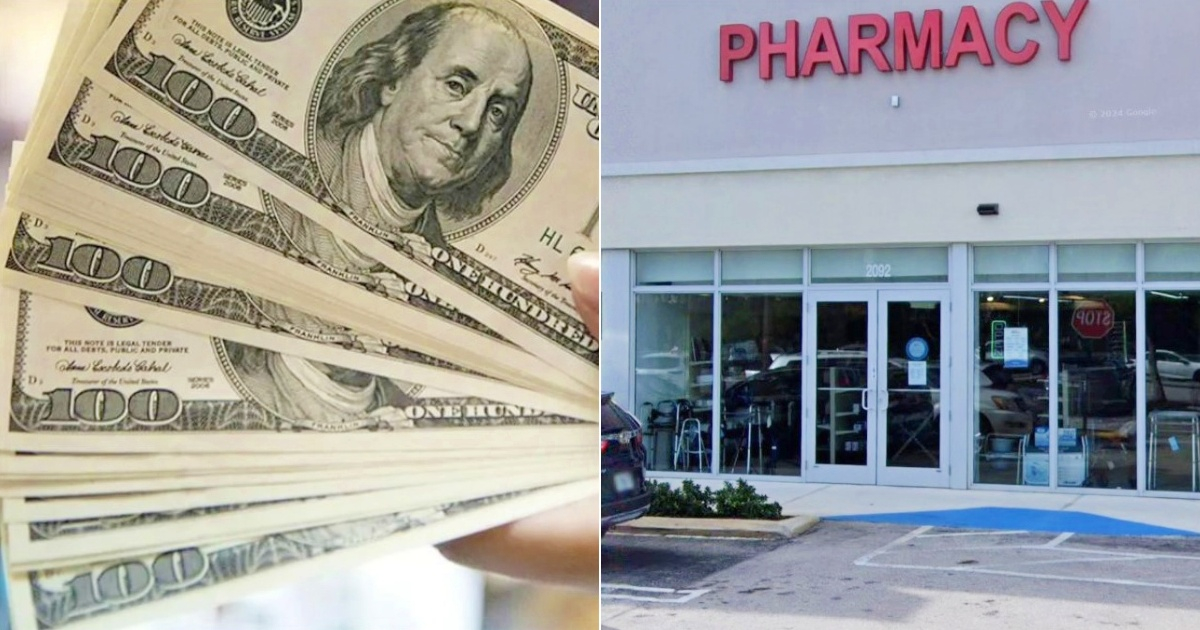
A federal jury in the Southern District of Florida found Olushola Yusuf, a 60-year-old licensed pharmacist and owner of two pharmacies in the southern region of the state, guilty of unlawfully distributing over 335,000 oxycodone pills to customers without medical necessity for the drug.
The Justice Department announced that Yusuf, a resident of Tampa, was convicted of conspiracy to distribute drugs illegally, alongside five additional counts of illegal drug distribution.
Yusuf is scheduled for sentencing on October 14, 2026, and faces a potential maximum sentence of 20 years in prison for each of the six charges.
Alert Signs Ignored in a Profitable Scheme
Yusuf owned and operated two businesses: Boots LLC d/b/a Striderite in Margate and Chans Pharmacy Plus, Inc., in Pembroke Pines, both located in Broward County.
During the trial, evidence showed that Yusuf dispensed 30-milligram oxycodone tablets—the highest available dose typically reserved for severe conditions like chronic cancer pain or traumatic injuries—to nearly all her customers. She charged approximately ten times the usual price and accepted only cash payments.
Some clients paid as much as $1,000 monthly for the drugs.
Federal Prosecutor Jason A. Reding Quiñones from the Southern District of Florida criticized Yusuf's operations, stating: "Olushola Yusuf didn't just overlook warning signs; she built her business on them. She deliberately flooded South Florida communities with more than 335,000 high-dose oxycodone pills, despite warnings from her employees and the DEA about the risks of her actions."
Secretive Operations and Drug Dealers as Customers
The trial evidence further revealed the extent of Yusuf's scheme. She kept her pharmacy doors locked during business hours, allowing entry only to certain known customers. Some of these were drug dealers collecting pills supposedly for dozens of absent patients. Others traveled long distances from various parts of Florida because they couldn't fill these prescriptions anywhere else.
Yusuf persisted in these practices even after repeated warnings from her employees and the Drug Enforcement Administration (DEA).
Authorities Respond to the Verdict
Colin M. McDonald, Deputy Attorney General of the Justice Department's National Fraud Division, emphasized the severity of the conviction. "The defendant abused public trust by using her pharmacies to illegally distribute deadly opioids. This conviction sends a clear message: whether you're pushing drugs on the street corner or from behind a pharmacy counter, the Fraud Division will hold you fully accountable under the law," he stated.
DEA Chief of Operations Matthew W. Allen added that Yusuf "abandoned her responsibility, exploited addiction, and endangered lives for personal profit."
FBI Deputy Co-Director Christopher Raia noted that Yusuf "showed blatant disregard for her community, endangering countless residents who should have been able to rely on their pharmacist."
Co-Defendant and Broader Context
Yusuf's co-defendant, Saman Giménez, pleaded guilty to conspiracy to distribute drugs illegally and will also be sentenced in October.
The case was investigated by the Office of Inspector General of the Department of Health and Human Services (HHS-OIG), the FBI, and the DEA, as part of a historic healthcare fraud operation announced by the Justice Department in June, involving 455 defendants and over $6.5 billion in false claims related to Medicare, Medicaid, and private insurers.
Since 2007, the Justice Department's Health Care Fraud Task Force has charged more than 6,200 individuals who billed over $45 billion in fraudulent claims to federal health programs and private insurers.
Understanding Illegal Oxycodone Distribution in Florida
What was Olushola Yusuf convicted of?
Olushola Yusuf was convicted of conspiracy to distribute drugs illegally and five additional counts of illegal drug distribution in South Florida.
What actions did Yusuf take that led to her conviction?
Yusuf dispensed high-dose oxycodone pills to customers without medical necessity, charged exorbitant prices, and accepted only cash, ignoring repeated warnings from her employees and the DEA.
How did authorities respond to Yusuf's illegal activities?
Authorities, including the Justice Department and DEA, condemned Yusuf's actions, emphasizing the danger her illegal distribution posed to communities and highlighting the accountability measures taken against her.