In a recent tour, Miguel Díaz-Canel visited the Municipal Defense Councils in San Miguel del Padrón and Diez de Octubre, located in Havana. The state-run outlet Cubadebate portrayed this as a chance to "closely examine the challenges and achievements of each area."
This statement sparked a wave of critical and sarcastic responses on Facebook, transforming the post into a reflection of widespread public discontent.
The visits are part of a broader tour covering all 15 municipalities of Havana, which commenced on June 30 under the banner of the "Year of Preparation for Defense 2026." As of now, Díaz-Canel has already visited 11 out of the 15 districts. Officially, the purpose is to assess the organization of the Defense Zones. However, a slide mistakenly aired by Canal Caribe on July 17 disclosed that the underlying goal involves taking measures in the "political, economic, social, and communication fields to prevent social unrest."
A particularly contentious moment arose from a remark Díaz-Canel made two days prior, on July 20, during an interview with RT en Español journalist Oliver Zamora: "Utopia is on the horizon... What is utopia for? To walk." This phrase, originally from Uruguayan writer Eduardo Galeano, was widely interpreted as admitting that no concrete solutions exist for the crisis, which soon found its way into the comments on the official post.
"Challenges abound, but achievements are pure Utopia," one user commented. Another sarcastically noted, "Challenges are also on the horizon. As they approach, they take two steps back. As for 'achievements,' those vanished into the horizon." A third summed up the general sentiment with, "Utopia advances, Cuba regresses, and the leadership gets fatter."
Critics frequently highlighted the disparity between the meeting's setting and the harsh realities of the neighborhoods. "There's light and air conditioning; why not hold it without these comforts to truly see the challenges and achievements of each area?" a commentator pointed out.
Another was more blunt: "If the municipal visits are confined to air-conditioned offices rather than walking the streets and listening to the people, I don't see how they can address the main issues in each area." One Playa municipality resident reported she had no electricity the entire night while reading the post: "No power all night. Playa circuit 1246, and I have to hear this. I'm barely hanging on."
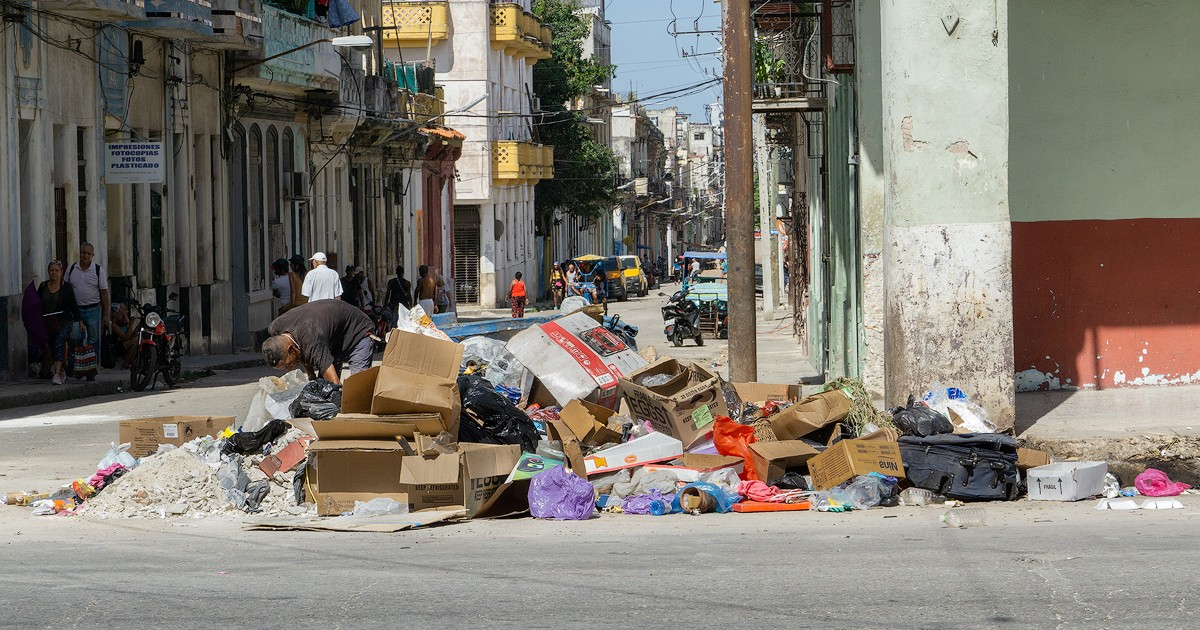
Specific grievances quickly emerged. A San Miguel del Padrón resident complained that in his neighborhood, La Cumbre, "people are unaware of the Intendant and his governance team," and the local council fails to address community issues. From Diez de Octubre, a woman pointed out the "horrible amount of garbage and sewage leaks," warning that "no one cares about the epidemics." Another commenter invited Díaz-Canel to visit Calle E between 19 and 21 in the Plaza municipality, where sewage issues are plaguing two buildings and a pharmacy across from the Prensa Latina headquarters.
The backdrop to these complaints is well-documented and severe. "We've been discussing the same issues for years," wrote another user, echoing the frustration seen in dozens of comments. "Meetings upon meetings, but no one produces," added another.
Frequently Asked Questions About Díaz-Canel's Municipal Visits
What is the official purpose of Díaz-Canel's municipal visits?
The official aim is to evaluate the organization of the Defense Zones as part of the "Year of Preparation for Defense 2026."
What are the actual goals behind these visits?
A leaked slide suggests that the real objectives include political, economic, social, and communication actions to prevent social unrest.
How have Cubans reacted to Díaz-Canel's visits?
Many Cubans have expressed critical and sarcastic views, highlighting dissatisfaction with government actions and the discrepancy between official statements and reality.