Lorenzo Vega-Montoto, a Cuban researcher with a Doctorate in Chemical Sciences and a Senior Researcher at the Idaho National Laboratory, recently published an article on the CubaxCuba website. In his piece, he critically examines the 176 economic measures approved by Cuba's National Assembly in June. Vega-Montoto argues that these reforms, touted by the regime as historic transformations, are merely a superficial change—like a creature shedding its skin but retaining its claws.
The critique begins with the official slogan of the reform package: "Without ever renouncing socialism, do what is necessary to preserve the essential." According to Vega-Montoto, the "essential" is not the welfare of the average Cuban but the power of the ruling elite—"the same leadership, the same single party, now managing hope as it manages scarcity."
The Economic Struggle in Cuba
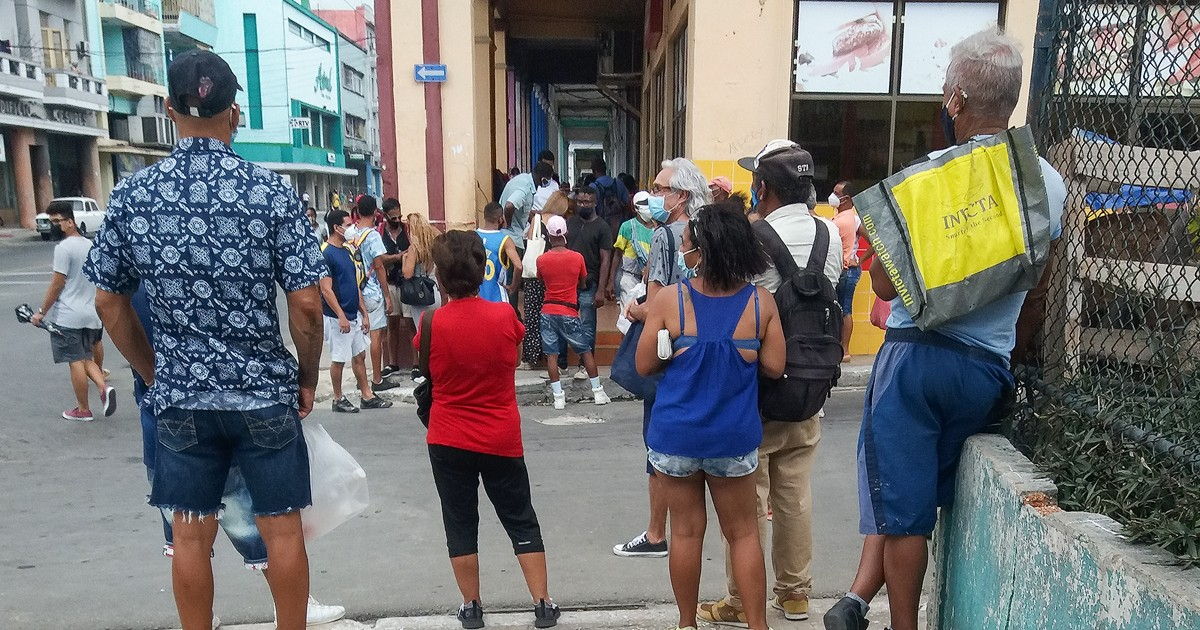
These measures, which include lifting the cap on private businesses to over 100 workers, allowing private banking, and deepening dollarization, came at a dire time. According to the Cuban Observatory for Human Rights, 89% of Cuban families live in extreme poverty, enduring power outages ranging from 20 to 40 hours continuously. The average monthly salary is a mere $13, and over 1.7 million people are projected to leave the island between 2020 and 2025, marking the largest exodus in the country's history.
Prime Minister Manuel Marrero acknowledged the severity of the situation when introducing the package, stating that Cuba is experiencing "one of the most complex moments since the Special Period." Vega-Montoto sees this statement not as a diagnosis but as a confession.
Political Dynamics and Economic Reality
To explain the regime's survival tactics, Vega-Montoto references political scientist Javier Corrales' concept of the "gatekeeper state." Cuba doesn't thrive by generating growth; instead, it manages access to capitalism, deciding who gets in and who stays out. Economists Carmelo Mesa-Lago and Jorge Pérez-López identified eight cycles of this back-and-forth approach. In every instance, the leadership retreated out of fear of losing political control, not due to economic strategy, Vega-Montoto notes.
The most incendiary part of the analysis is the portrayal of Raúl Guillermo Rodríguez Castro, nicknamed "The Crab" by his grandfather. On July 7, USA Today featured the first profile of a Castro family member in 70 years, depicting the Interior Ministry colonel as a key player in the country's transformation from the patriarch's office.
The Role of "The Crab" in Cuba's Transformation
The 42-year-old colonel's remarks sparked immediate outrage. "I've never been interested in politics, but if the revolution needs me to step up, I will," he declared. The interview showed him dressed in Hugo Boss and Hermès, with classified documents in a Salvatore Ferragamo briefcase, while power outages lasted over 24 hours. When asked about this disconnect, he responded, "It pains me that people can't live like I do," but claimed he wakes up "every day to change that situation."
Regarding GAESA, the conglomerate built by his father, he downplayed its influence to "around fifteen percent" of the economy. USA Today noted it couldn't verify this; external estimates place it at 30% to 40% of the GDP, controlling nearly 90% of retail and enjoying full audit exemption.
Israel Rojas, leader of the duo Buena Fe and a long-time cultural supporter of the regime, publicly apologized for his "naivety": "I would never lend my support to justify these things. They should defend themselves." A Central Committee Ideological Department official further undermined the regime by confirming that The Crab negotiates with Washington under "the country's top leadership's" decision, admitting in writing that the dynasty exists and governs.
From Washington, the State Department dismissed the measures as "superficial smoke signals," and Secretary Marco Rubio sanctioned new GAESA entities. The Crab himself admitted when asked about the outcome of negotiations: "I'd like to say yes... but the truth is no."
The Irrevocability of Cuban Socialism
Vega-Montoto warns that the 2019 Constitution left a legal trap: Article 229 prohibits amending the clause declaring socialism "irrevocable." The regime must reform the economy to survive but has made it legally impossible to reform its power structure. "What changes are the names—Rectification, Special Period, Update, Arrangement, the 176 measures—and what remains is the grammar: to let go without releasing, to grant without yielding," writes the scholar.
The article, titled "Chronicle of a Foretold Metamorphosis: The Crab That Wants to Be a Butterfly," concludes with a nod to its headline: "If anything is to revitalize Cuba, if anything has always revitalized it, it's not the shell that changes but the people underneath who endure, who have reached the limit of resilience and still stand. That people don't need the next opening managed for them; they need, for the first time in sixty-seven years, for no one to steal it from them."
Frequently Asked Questions on Cuba's Economic and Political Situation
What are the key points of the 176 economic measures in Cuba?
The measures include lifting the cap on private businesses, allowing private banking, and deepening dollarization, aimed at reforming the Cuban economy.
Why does Vega-Montoto criticize these economic reforms?
Vega-Montoto believes these reforms are superficial, serving to maintain the power of the ruling elite rather than improving the welfare of ordinary Cubans.
Who is Raúl Guillermo Rodríguez Castro?
Raúl Guillermo Rodríguez Castro, nicknamed "The Crab," is a colonel in the Cuban Interior Ministry and a key figure in the country's leadership, known for his role in the transformation efforts.