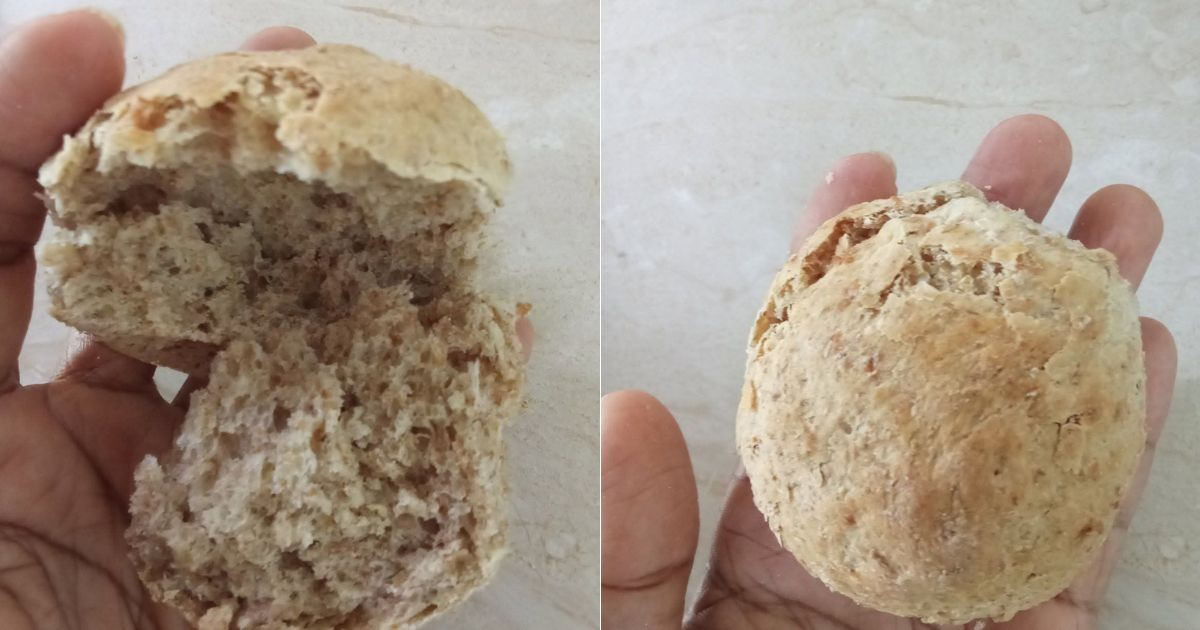
On Saturday, a series of comparative images shared in the Facebook group Revolico Guantánamo Plus sparked outrage among Guantanamo residents. The pictures highlighted the severe decline in the quality of bread included in their basic food rations.
The post, authored by Katherine Sago, contrasted two loaves of bread: one from two days prior, white and made with refined flour, and a recent one that she scathingly referred to as a "horror movie bread, not to mention its weight."
"I wonder if the families, the children of those who make these breads, eat them. Cubans have lost love for their neighbor, empathy. They don’t care about the children eating this garbage," Sago lamented.
Numerous residents chimed in with comments confirming that the issue extends across the entire province and is not limited to a single sales point.
One user commented, "Any bread you buy is pure garbage, and nobody checks either the weight or the quality, everything is just ignored." Another criticized the manufacturing process: "When it remains unsold and the manager has to cover the costs, they’ll realize that this sugarless, oil-free formula will never produce proper bread."
The grievances consistently highlighted several details: the bread has a high acidity, lacks fat and salt, and if left until the afternoon, black spots appear on its surface. One resident summed it up: "The bread being sold through the basic rationing system is disgusting; not even dogs would eat it. It’s supposed to be our daily bread, not our daily poison."
Residents from the Reparto Obrero neighborhood confirmed the situation is the same in their area. A concerned citizen demanded to know where the authorities responsible for overseeing production at the Pedro A. Pérez bakery, located between 2nd and 3rd South Streets, were. "No state authority monitors its quality. That's how it is," another user remarked.
Some comments expressed resignation to what is perceived as a systemic issue: "But nothing changes, we keep enduring this and more, because that’s how Cubans have been conditioned. SOS CUBA."
The deterioration reported over the weekend is neither new nor exclusive to Guantanamo. Since May 2025, the province limited the distribution of rationed bread solely to children aged zero to 13 and prioritized institutions, excluding the majority of the adult population.
The bread weight had already been reduced from 80 to 60 grams in September 2024. The official formula from the Ministry of the Food Industry requires wheat flour, oil, sugar, and yeast, but these ingredients are practically unavailable: flour is mixed with cassava, sweet potato, or corn pulp, resulting in bread that is acidic and spoils quickly.
Guantánamo's wheat mill is non-operational, and the province relies on sporadic shipments from Havana. On a national level, only one of the six contracted wheat shipments for 2026 has reached the country, and the only active mill —in Cienfuegos— produces 250 tons daily, far short of the 700 needed.
In 2026, Guantánamo is among the five provinces facing critical levels of food insecurity, with approximately 79% of households experiencing hunger. In response to the collapse, the local government has promoted the "Cultivate Your Little Plot" movement, shifting the burden of food production onto families.
Understanding the Bread Crisis in Guantánamo
What sparked the outrage among Guantanamo residents regarding bread quality?
Residents were outraged by images shared on social media showing the drastic decline in quality of the bread they receive in their basic food rations.
Why is the bread quality so poor in Guantanamo?
The poor quality is due to the use of inadequate ingredients like cassava, sweet potato, or corn pulp due to a lack of wheat flour, oil, sugar, and yeast, which results in acidic and quick-to-spoil bread.
How has the local government responded to the bread and food crisis?
The local government has initiated the "Cultivate Your Little Plot" movement, urging families to take responsibility for growing their own food.