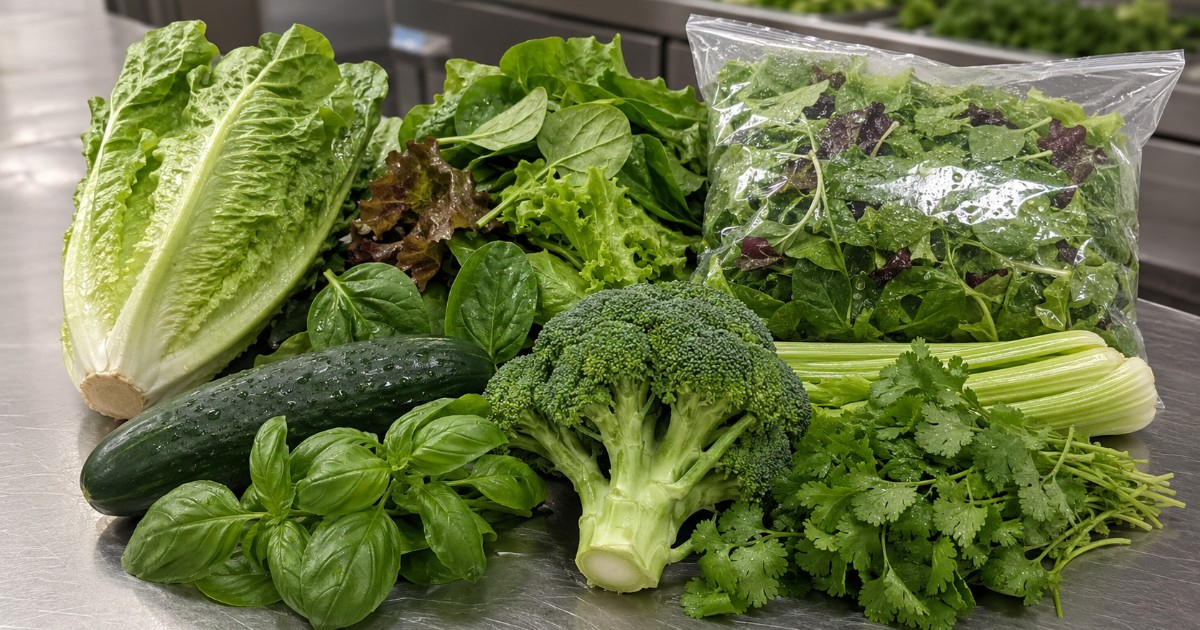
A significant health alert has emerged in Miami-Dade County, which currently leads the state of Florida in confirmed cases of cyclosporiasis. The outbreak of this illness has affected thousands across the United States, prompting ongoing investigations by health authorities.
The microscopic parasite Cyclospora cayetanensis, notorious for causing "explosive diarrhea," has led to nearly 7,000 reported cases nationwide. According to the latest update from the Centers for Disease Control and Prevention (CDC), there are 1,645 confirmed cases, with more than 5,100 still under investigation.
Florida has surpassed 100 confirmed cases, marking a fourfold increase compared to the same period in 2025.
Miami-Dade's Rising Numbers
In Miami-Dade, the number of cases surged from six to 17 within a week, from July 4th to July 11th, making it the hardest-hit area in the state. Lee County follows with 14 cases, and Broward County reports seven.
Federal authorities have traced the outbreak back to chopped iceberg lettuce supplied by Taylor Farms from Mexico, processed in Guanajuato, and distributed to Taco Bell restaurants in at least five states between June 29th and July 16th.
The company has initiated a voluntary and indefinite recall of the product.
Impact on Restaurants
Ninety percent of those interviewed by authorities reported consuming iceberg lettuce prior to falling ill. In response, Taco Bell proactively removed several ingredients—including lettuce, cilantro, onion, pico de gallo, and guacamole—from select restaurants even before an official link was confirmed.
"Our customers' health and safety are our top priorities," the chain stated, emphasizing that health officials have not confirmed any direct connection to specific ingredients, suppliers, or restaurants.
Precautionary Measures: Foods to Avoid
Dr. Edmara Nieves, associate medical director of the emergency services at Broward Health Medical Center in Fort Lauderdale, advised temporarily avoiding raw vegetables and uncooked fresh produce until all sources of the outbreak are identified by investigators.
"We always advocate for a healthy diet, so we would never tell people to avoid fruits and vegetables entirely. It's about being mindful of your choices at the supermarket," she explained.
For those who wish to continue eating fruits, Dr. Nieves recommends selecting those that can be peeled, such as bananas, tangerines, pineapples, and mangos, as the parasite typically resides on the outer surface.
If opting for berries or other produce, thorough washing is crucial. "Simply rinsing fruit is not sufficient," Dr. Nieves warned, noting that friction under running water for several minutes is necessary.
She also mentioned that many commercial fruit and vegetable washes are not effective.
Safe Consumption Practices
Cooking is another safe method; steaming food for a few minutes is enough to eradicate the parasite. Michigan authorities recommend reaching at least 158 degrees Fahrenheit for safety.
The CDC and Michigan health officials also suggest buying whole lettuce rather than packaged, discarding the outer two or three leaves, scrubbing firm fruits and vegetables with a clean brush, and refrigerating cut or cooked produce within two hours.
The parasite has an incubation period of two to 14 days and can result in up to ten bowel movements per day, along with cramps, nausea, and fatigue. Without treatment, the illness can persist for weeks; the recommended antibiotic is trimethoprim-sulfamethoxazole, administered over seven to ten days.
Frequently Asked Questions about Cyclosporiasis in Miami
What is Cyclospora cayetanensis?
Cyclospora cayetanensis is a microscopic parasite that causes cyclosporiasis, an intestinal illness characterized by severe diarrhea and other gastrointestinal symptoms.
How can I protect myself from cyclosporiasis?
To protect yourself, avoid consuming raw vegetables and uncooked fresh produce, wash fruits and vegetables thoroughly, and cook food to at least 158 degrees Fahrenheit to kill the parasite.
What should I do if I suspect an infection?
If you suspect an infection, seek medical attention promptly. Treatment typically involves a course of the antibiotic trimethoprim-sulfamethoxazole.