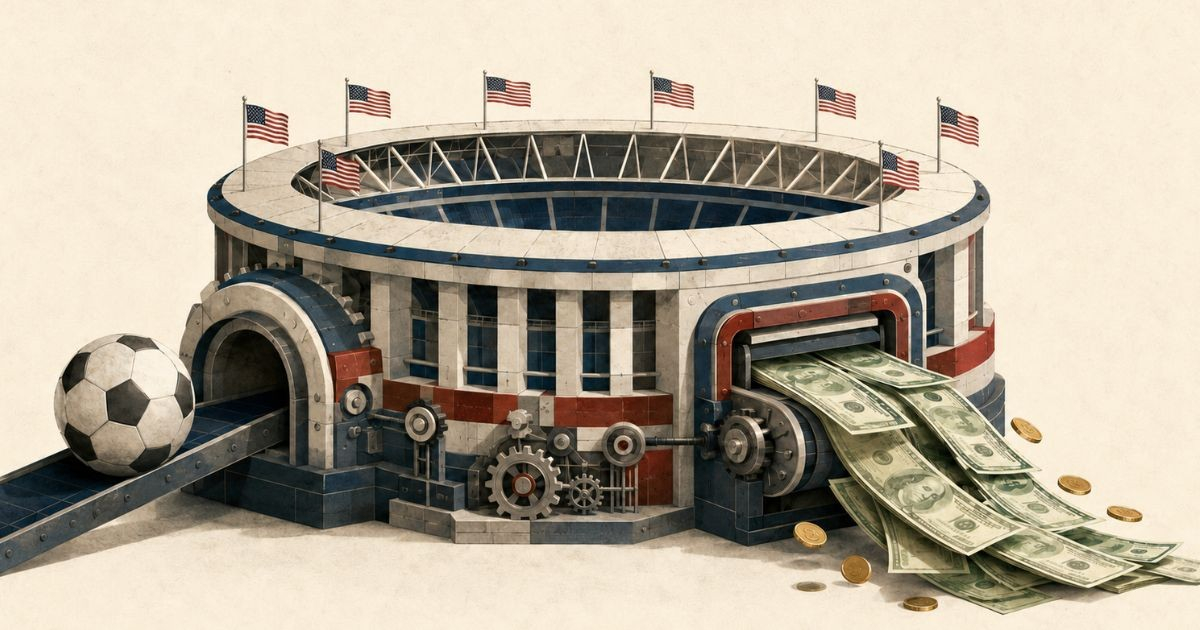
The 2026 FIFA World Cup has reportedly generated an economic impact of approximately $20 billion in the United States, according to estimates released by Bank of America on the eve of the final match between Argentina and Spain at New Jersey's MetLife Stadium this Sunday.
Bank of America's CEO, Brian Moynihan, disclosed this figure during an interview with CBS News, contextualizing it as part of an even broader global effect: "The total economic generation surrounding FIFA is about $40 billion, with $20 billion occurring within the United States. Moreover, when examining host cities like Kansas City, we observe faster growth and spending rates compared to other locations."
Tourism and Spending Drive Economic Growth
The surge in economic activity was largely fueled by tourism, spending in bars and restaurants, and a general boost in private expenditure across the 11 U.S. host cities.
In Kansas City, which has a population of just 520,000, the city anticipated welcoming 650,000 visitors. It experienced a 16.7% increase in tourist spending during the tournament's early weeks, with a significant 82% of visitor budgets allocated to dining experiences.
Visitor Expenditure Patterns
Foreign visitors spent, on average, $5,000 each during the tournament, which is roughly 10 times more than the expenditure of American tourists.
Globally, a report by Bloomberg Intelligence estimated that FIFA could earn nearly $9 billion in revenue from the World Cup, marking a more than 40% increase from the previous record of $6.314 billion set during the Qatar 2022 World Cup.
FIFA's Global Economic Influence
The same report projected a worldwide boost in sales reaching up to $80 billion, forecasting accelerated spending in sectors such as tourism, hospitality, retail, advertising, and consumer goods.
The economic impact in the U.S. was about ten times greater than in Mexico, the other major host nation. There, consultancy firm Deloitte estimated an impact of $2.543 billion, resulting in the creation of 101,255 temporary jobs.
Realities Behind the Economic Boom
Despite these record figures, analysts caution that the results fell short of expectations. A previous official FIFA report anticipated an economic impact exceeding $30 billion in gross economic activity solely within the U.S.
The U.S. Department of Commerce reported a modest year-over-year increase of just 0.2% in international air traveler arrivals in June, the tournament's first month, totaling 4.39 million arrivals nationwide amid a global tourism decline to the U.S. of 5.4% expected in 2025.
This tournament was historic as it featured 48 participating teams, compared to 32 in previous editions, leading to nearly double the number of matches played over approximately 40 days across 16 host cities in three countries: the United States, Mexico, and Canada.
The upcoming final on Sunday will see Argentina face off against Spain for the first time in a World Cup match, with Donald Trump set to present the trophy to the winner alongside FIFA President Gianni Infantino, marking the conclusion of what is shaping up to be the most lucrative World Cup in soccer history.
Exploring the Economic Impact of the 2026 World Cup in the U.S.
How much economic impact did the 2026 World Cup have in the U.S.?
The 2026 World Cup generated an estimated economic impact of approximately $20 billion in the United States.
What factors contributed to the economic growth during the World Cup?
The economic growth was mainly driven by tourism, spending in bars and restaurants, and an overall increase in private spending across the host cities.
How did Kansas City benefit from hosting the World Cup?
Kansas City anticipated 650,000 visitors and saw a 16.7% rise in tourist spending, with 82% of visitor budgets going towards dining.