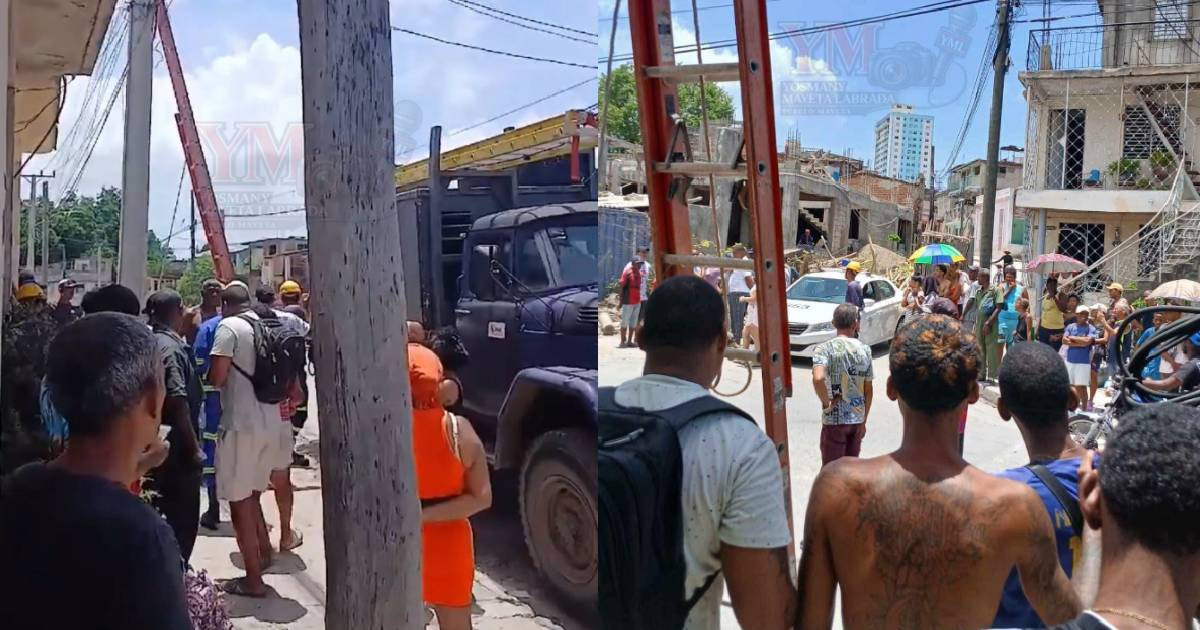
Residents of several neighborhoods in Santiago de Cuba reported on Friday that teams from the Empresa Eléctrica have been dismantling operational transformers. This action has sparked protests and demands for explanations from the community.
Journalist Yosmany Mayeta Labrada gathered accounts revealing that these teams arrive with trucks and specialized equipment to remove transformers, even in areas where they are still functioning without visible issues.
Community Outrage and Police Intervention
The potential loss of these essential devices has driven locals to the streets in an attempt to obstruct their removal. Many fear the decision will increase overloads on the electrical grid, worsen low voltage problems, and further deteriorate an already fragile power service.
Reports indicate that tensions between residents and the work crews occasionally necessitated the involvement of the National Revolutionary Police (PNR). Despite this, the transformers were eventually taken away.
Demand for Transparency and Accountability
Citizens are questioning the fate of the removed equipment and are calling for authorities to clarify the technical criteria used to determine which transformers are relocated and to where. They insist on understanding why some communities that had relatively stable service are losing critical infrastructure while others are prioritized.
Petitions for a response from Santiago de Cuba's Empresa Eléctrica, the Provincial Government, and the Communist Party authorities seek to clarify the situation and investigate what appears to be a recurring practice across various city neighborhoods.
Persistent Energy Crisis and Growing Distrust
Amidst a prolonged energy crisis, the lack of official explanations heightens uncertainty for thousands of families about the future of their electrical service.
In neighborhoods like Veguita de Galo, residents have successfully halted the operation three times. A local shared on Facebook the recurring nature of the issue: "Here in Veguita de Galo, they've tried to take it three times, but the community has stopped them... It's often to redirect it to an overloaded vital circuit connected to houses they've hooked up... then the circuits with cutoffs suffer most because as consumption increases in one area, others are cut off more."
Allegations of Corruption and Mismanagement
In San Gerónimo, between San Agustín and Barnada, the transformer was removed on Thursday, November 16, with no accountability. "Who answers for this? In this country, everyone does as they please, and nothing happens," expressed a local resident.
Claims of corruption have emerged, with one resident alleging that in the Pastorita neighborhood, adjacent to Ministry of the Interior (Minint) buildings, a transformer was moved to Siboney "for a chief." A neighborhood delegation reportedly appealed to the government and managed to have the equipment returned.
The suspicion that these devices end up benefiting areas of officials or those who pay for the service is a common theme among comments.
"Corruption and more corruption," summarized one neighbor. Another remarked, "They've seen that the people endure anything imposed on them."
Several citizens also point to the complicity of sector workers themselves. "Today, service electrical workers are millionaires; everyone knows what their service costs under the table, they do anything with the supposed consent of their immediate bosses," wrote a local resident.
This is not the first instance of such occurrences in Santiago. In June, residents of the Carnicería, Trinidad, San Ricardo, and Altamira neighborhoods reported the same pattern and endured over four days without electricity following the removal of their transformers.
The phenomenon continues amid Cuba's worst energy crisis in decades. In June, the Unión Eléctrica admitted that there are no physical spare parts available in any province, making the relocation of functional equipment the only operational method to attend to prioritized circuits.
The national plan for 2026 aims to produce 10,000 transformers, but production remains insufficient against the accumulated demand.
This past Friday in the Calabazar area of Havana's Boyeros municipality, locals caught linemen allegedly selling the neighborhood's electricity illegally, with bundles of cash and crates of beer, in an episode highlighting the extent of corruption within Cuba's electrical system.
Understanding the Transformer Removal Controversy in Santiago de Cuba
Why are transformers being removed in Santiago de Cuba?
Transformers are being removed by the Empresa Eléctrica to address overloaded circuits in other areas, despite local protests and the equipment still being operational.
How have residents responded to the removal of transformers?
Residents have protested the removals, even blocking crews from taking the transformers. They fear this will worsen electrical service issues and have demanded explanations and accountability from authorities.
What allegations of corruption have surfaced regarding transformer relocations?
There are accusations that relocated transformers benefit areas with government officials or those who can pay for the service, with some residents alleging that corruption and favoritism are involved.