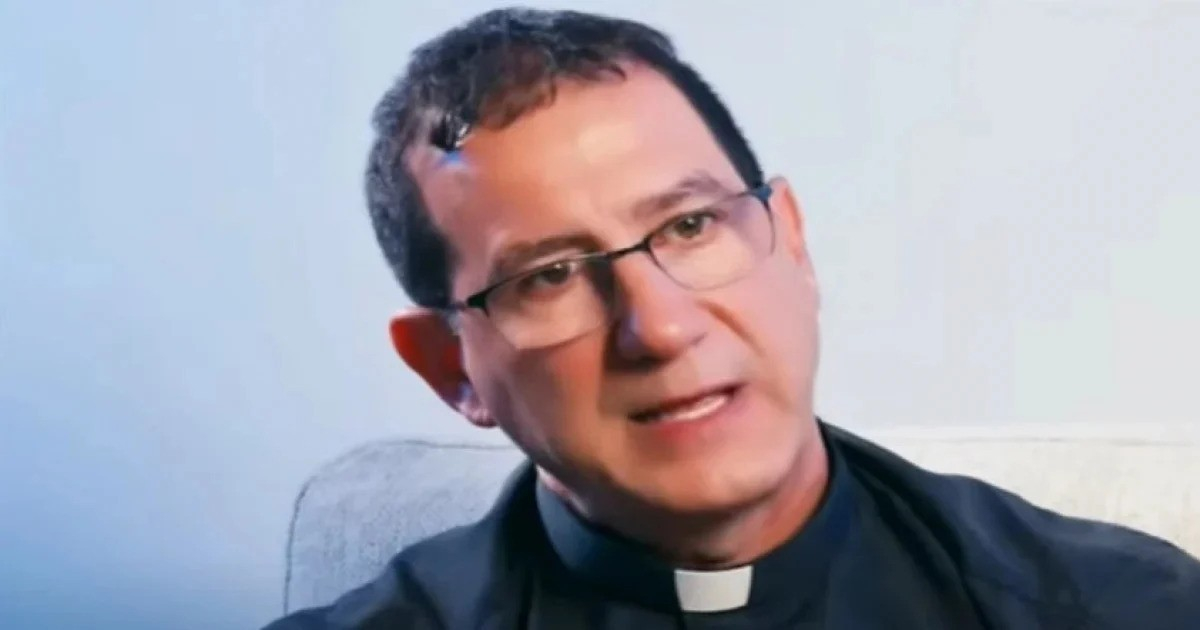
The Cuban priest Alberto Reyes Pías shared the 166th edition of his weekly column on Facebook this past Friday, titled "I've Been Thinking About Our Quotas of Fear," in which he delves into the fear of change as the driving force sustaining a system that, in his view, no longer garners genuine support.
The parish priest from Esmeralda, Camagüey, argues that the dictatorship is not solely upheld by direct repression but by something much deeper: the pervasive dread among Cubans about living without the constraints they have known.
"We fear freedom, the uncertainty of what to do when the chains are gone, and the challenge of owning our destiny once no one dictates our actions. We fear a society where dialogue and consensus are needed to express our freedoms," he writes.
Reyes Pías starkly highlights the contradiction within Cuban society: citizens endure blackouts, hunger, and shortages of medicine and transportation. Yet, there is apprehension about whether they can adapt to a new reality after the long-desired change.
"Deep within, in the unspoken recesses of our souls, we complain, curse, and protest, yet we prefer the familiarity of our current miserable security," he observes.
The priest directly addresses those who collaborate with the regime by informing, repressing, or defaming those fighting for freedom, denying them any ideological conviction: "They do not act out of belief in this system's benefits. Like everyone else, they suffer from hunger, live without electricity, suffocate in the heat, discard spoiled food, and lack medicine... but the prospect of change terrifies them."
For Reyes, these regime collaborators "prefer the known darkness of the cave over the unknown risks of the light," an image that encapsulates the moral paralysis the regime has nurtured for decades.
Yet, he doesn't end on a note of despair. He finds solace in "the other side," Cubans striving to change their present despite the uncertainty of the future: "those who speak, write, protest, take to the streets, and bang pots and pans..."
This reflection follows a week after the priest himself described Cuba as "a country in perpetual war against its own people," following the third nationwide blackout of the year on July 6, which left millions without power.
The context in which Reyes Pías writes is significant.
As of 2026, Cuba reports approximately 1,250 political prisoners and 107 protests in June alone.
Father Reyes has been summoned twice by State Security under the threat of legal action, and in June, he was publicly attacked by the official troubadour Raúl Torres in an open letter.
In January, State Security summoned him alongside Father Castor José Álvarez Devesa, issuing warning notices labeling them as "promoters of hate."
Understanding the Role of Fear in Cuba's Regime
Why does Alberto Reyes believe fear sustains the Cuban regime?
Alberto Reyes argues that fear of change and the unknown prevents Cubans from pursuing freedom, sustaining the regime despite its lack of genuine support.
What does Reyes say about those collaborating with the regime?
Reyes believes collaborators do not act out of ideological belief but out of fear of change, preferring the familiar hardships over the uncertainties of freedom.