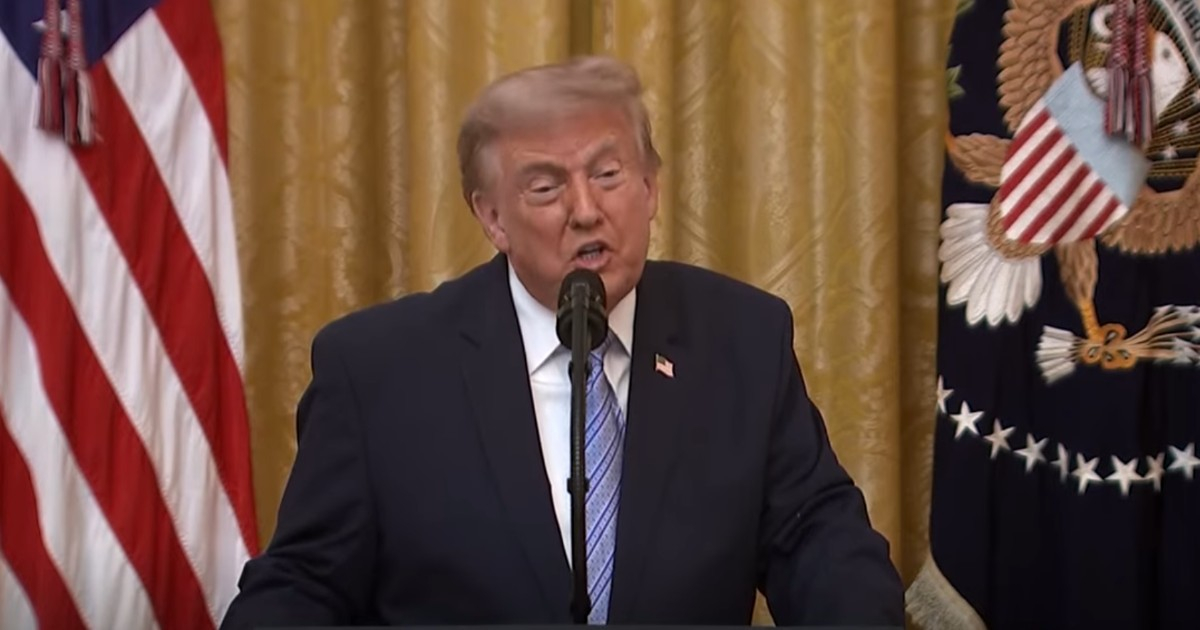
The Trump administration disclosed a declassified CIA document on Thursday, accusing the Chavista regime of developing technical capabilities to manipulate election outcomes through electronic voting systems. This revelation was highlighted by journalist David Alandete, who shared the report's contents.
Dated June 29, 2026, and declassified by CIA Director John Ratcliffe on July 1, the document compiles 16 years of intelligence on the Venezuelan government's ability to alter elections using electronic systems.
Revealing Insights from the CIA Document
A significant finding pertains to the 2012 Venezuelan presidential elections. Intelligence sources indicated that Hugo Chávez's intelligence services, including the DGCIM and SEBIN, collaborated with the National Electoral Council and Smartmatic to deploy tampered machines in about 300 voting centers in pro-Chavista areas, aiming to secure a victory by around 1.5 million votes.
Chávez won that election by approximately 1.6 million votes, and sources cited in the document reported that he congratulated his team for the successful execution of the plan.
Techniques for Altering Electoral Outcomes
The report also details plans from September 2020 to manipulate the National Assembly elections using a virtual machine technique. This method would replicate legitimate results, replace real data with manipulated figures, and do so without leaving detectable traces in a standard audit.
The technique involved replicating digital files sent to the central counting database, mimicking machines favorable to the ruling party, overwriting records of machines favorable to the opposition, and making altered votes appear to originate from legitimate equipment.
Assessment and Implications
Despite these findings, the document tempers its conclusions. The CIA's baseline assessment maintained that no large-scale electronic fraud occurred in 2012, supported by pre-election polls and the opposition's concession of defeat.
The report also notes that Smartmatic directors had credentials from Venezuelan intelligence services.
Back in 2006, the U.S. intelligence community had already deemed Smartmatic's acquisition of Sequoia Voting Systems a "moderate threat" to national security, prompting the Committee on Foreign Investment to compel the sale of the company in 2007.
Additionally, in March 2018, Smartmatic ceased operations in Venezuela after publicly accusing Nicolás Maduro's regime of inflating voter participation by over a million votes in the August 2017 Constituent Assembly.
Alandete described the political conclusions of the report as "devastating," stating that "the regime, which now includes Delcy Rodríguez, not only persecuted the opposition and controlled institutions but also developed tools to manipulate votes and maintain power."
According to CNN, the documents do not provide evidence that the 2020 U.S. presidential election was altered by foreign interference, and the CIA noted that the internal access mechanism used in Venezuela would not apply to U.S. electoral systems.
This declassification occurs amid heightened pressure from Washington on Caracas. In October 2025, Trump authorized covert CIA operations in Venezuela to increase pressure on the regime, and in January 2026, he dismissed the possibility of imminent elections in the country.
Frequently Asked Questions about the CIA Report on Venezuelan Election Manipulation
What did the CIA report reveal about the 2012 Venezuelan elections?
The CIA report revealed that Hugo Chávez's intelligence services collaborated with the National Electoral Council and Smartmatic to deploy tampered machines in pro-Chavista areas to secure a victory by about 1.5 million votes.
How did the report describe the manipulation techniques used in the 2020 Venezuelan elections?
The report described a technique involving virtual machines that replicated legitimate results, replaced real data with manipulated figures, and did so without leaving traces detectable in a conventional audit.
Did the report conclude that large-scale election fraud occurred in Venezuela in 2012?
No, the CIA's baseline assessment stated that no large-scale electronic fraud occurred in 2012, relying on pre-election polls and the opposition's concession of defeat.