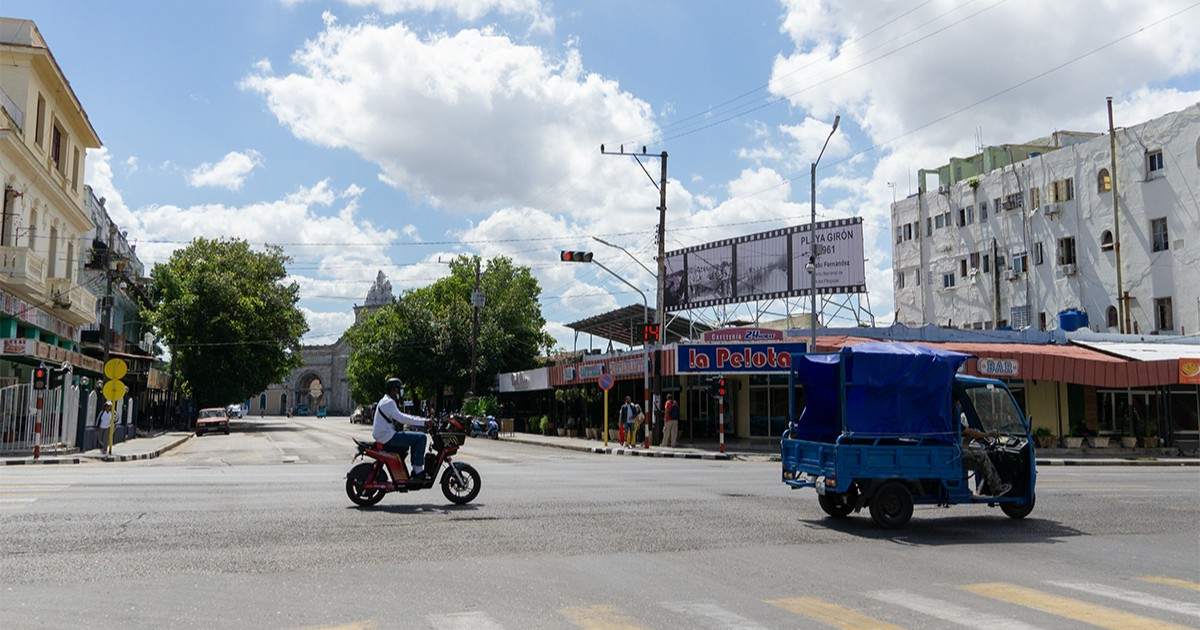
On Thursday, the streets of El Vedado in Havana echoed with the sounds of clanging pots as residents protested after enduring more than 30 consecutive hours without electricity. Cuban journalist and activist Mag Jorge Castro reported the event in real-time via his verified Facebook account.
"#Now. Pot banging in El Vedado... over 30 hours without electricity. I am receiving reports right now," Castro posted on social media.
The Context of the Protest
This demonstration took place against the backdrop of the fifth nationwide blackout of Cuba's National Electric System in 2026, which occurred on Monday at 11:05 a.m. The unexpected shutdown of a unit at the Felton thermoelectric plant in Holguín left all 9.6 million island residents without power.
As the pot-banging protest occurred, Cuba had been in the dark for roughly 48 hours since the initial collapse, with large areas of Havana still without power or experiencing very intermittent service. A follower of Mag's profile mentioned that residents in Plaza Vieja, Old Havana, were also making noise with pots and pans.
Persistent Power Outages
The complete restoration of power was not expected until July 18.
El Vedado has become a frequent hotspot for public demonstrations against power outages in the capital since March 2026. Its proximity to the Palace of the Revolution and the Communist Party's Central Committee makes each protest in the area a direct challenge to the political regime.
Documented pot-banging protests in El Vedado throughout 2026 include those on March 13 and 23, April 17, May 17, June 3 and 7, and July 2 and 12. The latter was recorded on video by activist Salomé García Bacallao. Police presence was reported multiple times to deter protesters.
An Electricity Crisis Worsens
In July, the electric crisis reached a historic deficit of 2,341 MW, recorded on July 10, with only 935 MW available against a demand exceeding 3,100 MW.
Eight out of the 16 thermoelectric units in the country were non-operational that month, with the Antonio Guiteras plant experiencing 17 disconnections so far this year.
Daily power cuts in Havana average between 15 and 20 hours, while in provinces like Matanzas, outages have lasted up to 87 consecutive hours, exacerbated by the searing summer heat.
Government Response
In response to the severe collapse, Díaz-Canel visited Havana on July 8 and urged local authorities to "better organize" the blackout schedules, offering no structural solutions for the aging and poorly maintained thermoelectric infrastructure, which is over four decades old.
In a span of 24 months, the National Electric System has suffered 10 total collapses, with five occurring in 2026 alone, an unprecedented number in Cuba's recent history.
Understanding Cuba's Power Outages
Why are the power outages in Cuba becoming more frequent?
Cuba's power outages are becoming more frequent due to an aging thermoelectric infrastructure, lack of adequate maintenance, and increased demand exceeding supply capabilities.
What areas are most affected by Cuba's electricity crisis?
While the crisis affects the entire island, Havana and provinces like Matanzas experience some of the most severe and prolonged outages.
How is the Cuban government responding to the electricity crisis?
The government has suggested better organization of blackout schedules but has yet to propose structural solutions to address the root causes of the crisis.