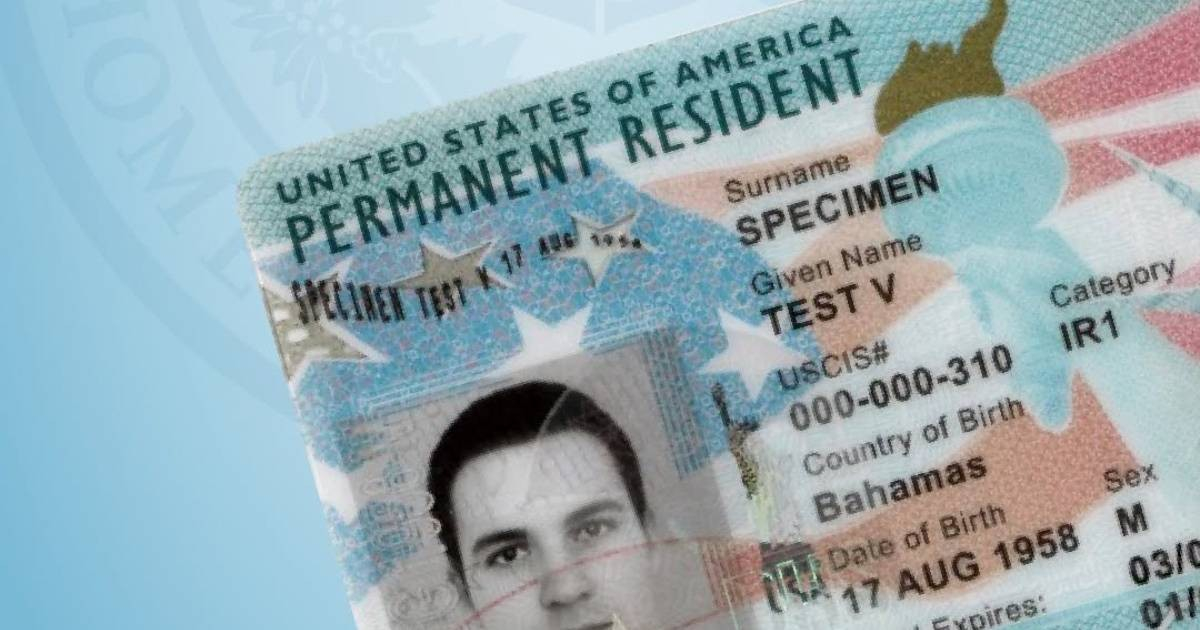
The Department of Homeland Security (DHS) has introduced a significant policy change, tightening the criteria for evaluating public charge status for those applying for permanent residency in the United States. This new rule, announced on Thursday, effectively overturns the 2022 regulation implemented by the Biden administration.
According to the U.S. Citizenship and Immigration Services (USCIS), the revised rule will be enforced beginning September 18, 2026. This change will allow immigration officials to once again factor in the use of certain public benefits—such as Medicaid, food stamps, or housing assistance—when determining if an applicant may become dependent on state resources.
Under the Biden administration's guidelines, the public charge evaluation was mostly limited to applicants receiving direct monetary assistance or government-funded long-term institutional care. However, the new directive grants USCIS officers broader discretion, enabling them to assess a wider array of factors including age, health, family size, income, assets, educational background, job skills, and history of using means-tested public benefits, as reported by CBS News.
USCIS aims to promote economic self-reliance among individuals seeking immigration benefits. "The federal government underscores the importance of self-sufficiency, safeguards public resources, and ends policies that encouraged dependency at the expense of American taxpayers," stated Joseph B. Edlow, USCIS Director, in a statement to CBS News.
Impact on Applicants
This new rule will apply to foreign nationals seeking status adjustments within the U.S., as well as those attempting to enter the country as immigrants or, in certain scenarios, non-immigrants. However, certain groups are exempt from this evaluation, such as refugees, asylees, special immigrant juveniles, some victims of human trafficking or crimes, and those applying under the Violence Against Women Act (VAWA).
The DHS anticipates that approximately 588,000 status adjustment requests will be reviewed annually under this regulation.
Concerns Over Deterrent Effects
While the government presents this measure as a tool to conserve public resources, DHS acknowledges a potential "deterrent effect." Official estimates suggest that around 950,000 individuals in immigrant households might forgo public benefits or refrain from applying for them out of concern that it could negatively impact their immigration procedures, even if they or their U.S. citizen children are legally entitled to such assistance.
Despite the controversy surrounding this policy, denials of residency based on public charge grounds have historically been rare. From fiscal years 2020 to 2024, there were only between 41 and 95 annual rejections for this reason. Additionally, during the enforcement of the Trump administration's 2019 public charge rule, only five denials or intended denials were identified, all of which were later reopened or reversed.
Update to Form I-485
In alignment with the new regulation, USCIS will release an updated version of Form I-485, used for applying for permanent residency or status adjustment. Starting September 18, previous versions of the form will not be accepted, even if mailed on that day with a postmark after the rule's effective date. Applicants must ensure they submit the current version of the form with their applications.
Understanding the New Public Charge Rule
What changes does the new public charge rule introduce?
The rule expands the criteria for evaluating public charge status, allowing the consideration of various public benefits and personal factors, reversing the limitations set by the Biden administration.
Who is affected by the new regulation?
The rule applies to foreign nationals applying for status adjustment or immigration to the U.S., excluding certain protected groups like refugees and asylees.
When will the updated Form I-485 be required?
The updated Form I-485 must be used starting September 18, 2026, as previous versions will be rejected after this date.