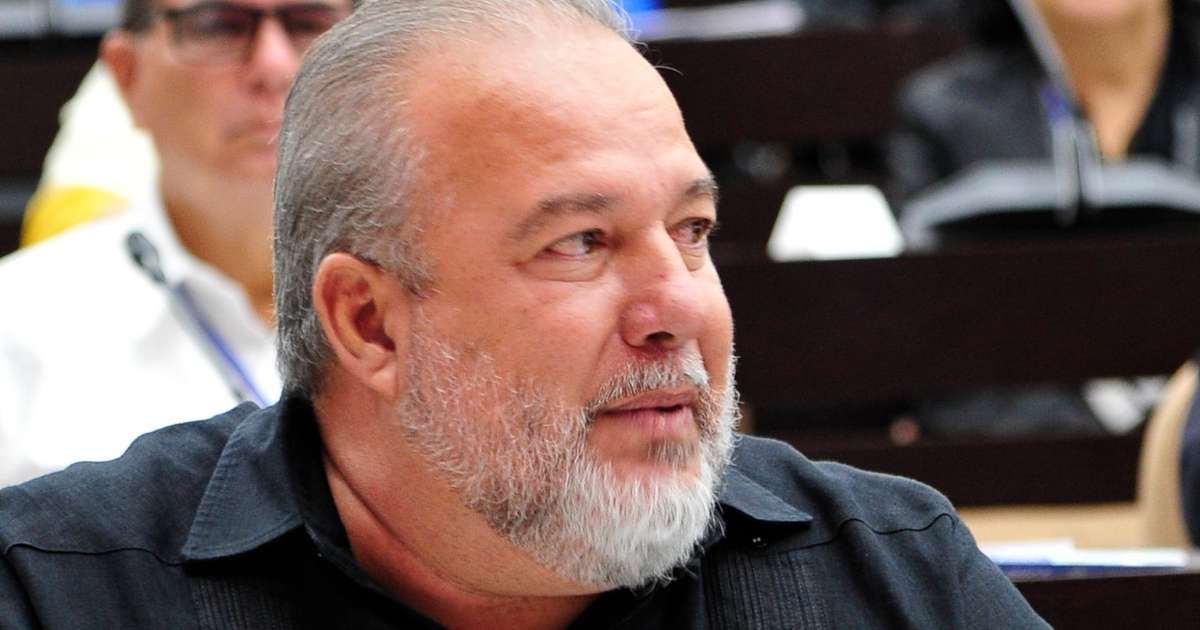
On Wednesday, Cuban Prime Minister Manuel Marrero Cruz took to the social media platform X to tout repair projects in Pinar del Río ahead of July 26th, a significant date in Cuban history. However, his messages were met with a storm of criticism from citizens who labeled them as propaganda and superficial fixes.
In his posts, Marrero boasted about refurbishing the operating room at the Pepe Portilla Pediatric Hospital and multiple wards at the Abel Santamaría General Teaching Hospital. He also announced the opening of a new home for children without parental care, as well as maintenance efforts on parks and public squares.
"As we approach National Rebellion Day, Pinar del Río is focused on restoring essential spaces," Marrero wrote, tagging #MyMoncadaIsTheHomeland and #PinarDelRíoOn26.
Pinar del Río Designated as National Center for July 26th
In a follow-up message, Marrero claimed that "despite the country's complex situation, there is a sense of renewal and determination in Pinar del Río," a statement that many Cubans found infuriating.
The backdrop to these repair efforts is Pinar del Río's selection as the host for the Central National Ceremony on July 26th, a decision made by the PCC's Political Bureau on June 27th. This marks the third time the province has hosted the event, the last occurrence being in 2001.
Public Outcry Over Resource Allocation
The announcement sparked widespread outrage on social media. Citizens decried the fact that Pinar del Río suffers from over 20-hour power outages, severe food shortages, and a lack of medical supplies. "Cuba is not celebrating; you are destroying the country," read one of the many critical posts following the announcement of the event's location.
Critics frequently accuse the regime of directing resources and high-profile repairs to provinces hosting the July 26th event, while neglecting structural deterioration for the remainder of the year.
Health Crisis Overshadows Repair Announcements
The disparity between Marrero's announcements and the grim reality of the country's healthcare system is stark. On July 3rd, the regime itself acknowledged on the Mesa Redonda program that health indicators have plummeted to alarming levels. Infant mortality in Cuba has doubled, survival rates for children with cancer have fallen by 20 points, and over 100,000 people are awaiting surgery.
Cuban hospitals report severe shortages of syringes, gauze, anesthetics, and reagents, while power outages lasting up to 20 hours render medical equipment useless in the very facilities the government claims to have repaired.
Furthermore, Pinar del Río is one of the provinces hardest hit by the housing crisis: 40,000 families remain without homes following Hurricane Ian in 2022, and by April 2026, only 63% of the damage had been addressed.
Understanding the Challenges in Pinar del Río
What prompted the repair projects in Pinar del Río?
The repair projects in Pinar del Río were announced as part of preparations for the province to host the Central National Ceremony on July 26th, a significant event in Cuba.
How are citizens reacting to the government's repair announcements?
Many citizens are expressing outrage, accusing the government of engaging in propaganda and neglecting ongoing issues like power outages, food shortages, and healthcare deficiencies.
What are the current challenges in the healthcare system in Cuba?
Cuba's healthcare system is facing severe challenges, including doubled infant mortality rates, decreased cancer survival rates, and significant shortages of medical supplies and functional equipment.