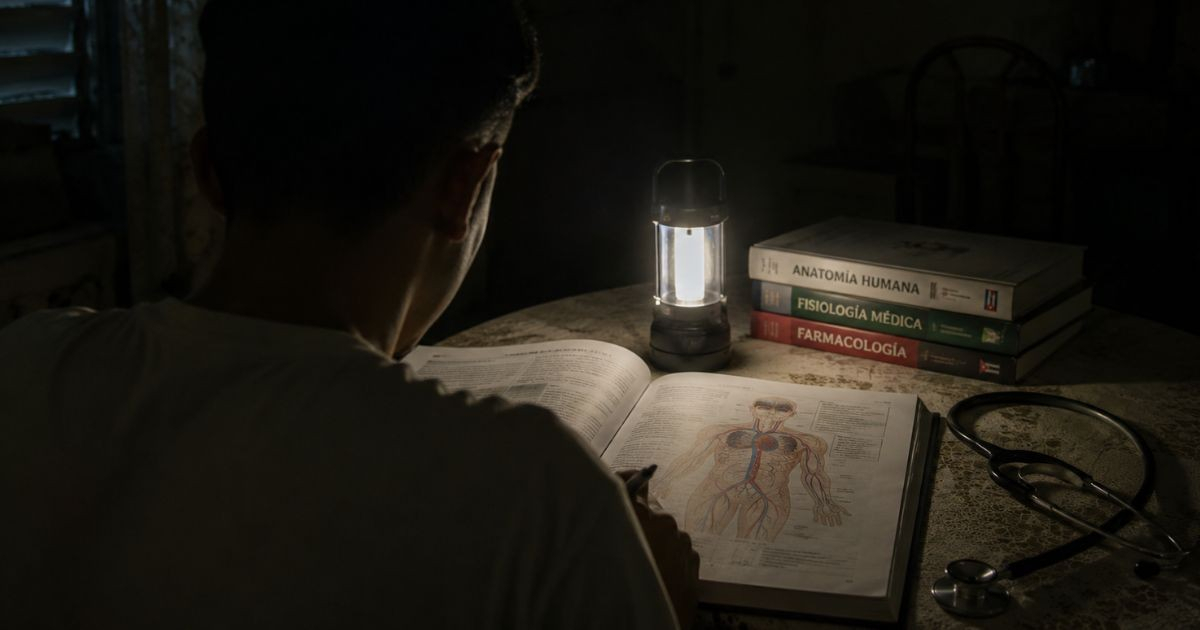
On Tuesday, Cuba's power grid suffered its third collapse in July, plunging millions into darkness amid a deepening crisis. According to CNN correspondent Patrick Oppmann, who has witnessed the situation firsthand, the Cuban people's endurance is being pushed to its breaking point.
Having lived in Havana for nearly 15 years, Oppmann illustrates a harsh reality where electricity, water, and fuel are considered luxuries, not guarantees. The blackouts often last over 30 hours at a stretch, with some areas experiencing outages extending beyond 85 consecutive hours.
After Friday's second nationwide blackout, the Havana neighborhood where Oppmann resides endured 36 hours without power. When electricity finally returned at 4 a.m. on Sunday, residents rushed to wash clothes, cook, and recharge their devices during the brief respite.
Jorge, a local, captured the sentiment of many with a simple question: "We had four uninterrupted hours of electricity. When was the last time that happened?"
The Energy Crisis: No Internal Solutions
Jorge Piñón, a senior energy researcher at the University of Texas at Austin, asserts that the scale of Cuba's energy crisis is beyond internal resolution. "The solutions to Cuba's energy crisis must come from outside the island," he states. Even though Cuba produces its own oil, frequent maintenance keeps half of its thermal plants offline, rendering local production insufficient to meet demand.
Geopolitical Struggles Exacerbate Issues
The geopolitical landscape further complicates the situation. The fall of Nicolás Maduro severed Cuba's primary crude supplier; Venezuela, which delivered over 100,000 barrels daily in 2021, effectively ceased shipments by 2026. Meanwhile, Mexico halted its contributions—44% of Cuba's oil imports in 2025—due to tariff threats from Washington. Russia, engaged in the Ukraine conflict, is also unable to fill the gap.
Social discontent is becoming increasingly apparent. The government maintains a WhatsApp channel to update citizens on blackout durations, which Cubans often respond to with poop emojis or American flags. In some neighborhoods, nightly pot-banging protests echo, though Oppmann notes they lack organization in a country where dissent is treated as treason.
Contrasts Between Elite and Common People
The fifth total blackout of July occurred on Tuesday, triggered by the failure of Unit 1 at the Felton thermal power plant in Holguín. Meanwhile, the disparity between the people's suffering and the elite's privileges was starkly highlighted in an interview Raúl Guillermo Rodríguez Castro, grandson and security chief of Raúl Castro, gave to USA Today, flaunting luxury brands and gold chains.
Although Rodríguez Castro is portrayed as a negotiator with the Trump administration, he holds no formal high-ranking position. Oppmann's acquaintances were shocked by this display. Homero, a state-employed friend, summed it up during lunch: "It's as if they don't know how we live, how our wages lose value every day."
Understanding Cuba's Power Crisis
Why is Cuba experiencing frequent blackouts?
Cuba is dealing with frequent power outages due to a failing power grid, insufficient local oil production, and geopolitical challenges affecting oil imports, particularly from Venezuela and Mexico.
How are Cubans coping with the energy crisis?
Cubans are struggling to manage with prolonged blackouts, often lasting over 30 hours. They seize any opportunity to carry out essential tasks like cooking and charging devices when power is briefly restored.
What external factors are influencing Cuba's energy situation?
Cuba's energy problems are exacerbated by the loss of oil imports from traditional allies like Venezuela and Mexico, alongside Russia's inability to assist due to its own international conflicts.