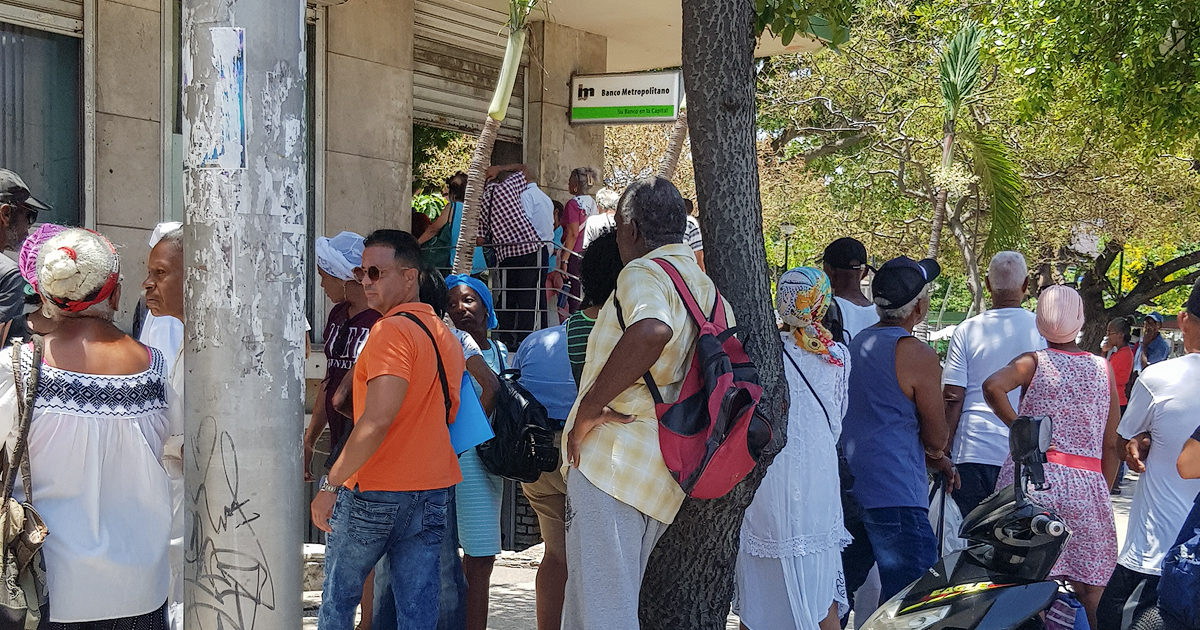
The chronicles of nations are not solely shaped by those in power but are also defined by the silence of the onlookers. At times, indifference is mistaken for a shield, a way to remain detached from turmoil. However, history demonstrates that no individual can remain completely untouched by the political choices that shape a country's fate.
When a community withdraws from the public sphere, that void is never left unfilled. Someone steps in, makes the decisions, and sets the rules that will eventually impact everyone's lives.
Albert Einstein is often credited with a thought-provoking reflection: “The world is a dangerous place to live, not because of the people who are evil, but because of the people who don't do anything about it.” Regardless of its true author, this idea presents a historical truth: passivity in the face of power abuse can, intentionally or not, enable its expansion.
The Cuban Paradigm: A Cautionary Tale
The Cuban experience vividly illustrates the repercussions of such an attitude. For years, many citizens assumed that politics was reserved for leaders, officials, or experts. They believed staying out of it could spare them trouble, thinking that managing daily challenges was enough to remain uninvolved.
However, politics did not stay out of their lives. It infiltrated their homes, influencing vital aspects of existence: freedom of expression, access to information, family economic prospects, their children's futures, and even their own aspirations.
Authoritarianism's Lethal Success
One of the most significant triumphs of authoritarian systems is convincing society that politics is an exclusive domain of the powerful. This perception transforms citizens from active participants into mere spectators of their own reality.
In Cuba, a regime that began with revolutionary promises ended up centralizing power within a political elite. Institutions ceased to function as independent checks and balances, operating instead under a mandate of obedience. The state, which should embody national interests, became subordinate to a specific political agenda.
The Illusion of Progress
For decades, a narrative was constructed where external factors were blamed for difficulties, while internal flaws of a model that weakened the economy, reduced participatory spaces, and caused deep social divides were concealed.
Prosperity was promised, yet poverty ensued; equality was preached, yet power-linked privileges emerged; the people's defense was declared, yet millions of Cubans faced restrictions, family separations, and an inability to freely choose their future.
A Society Awakens
Yet no society remains indefinitely oblivious to reality. There comes a point where the consequences are too glaring to ignore. The lack of opportunities, economic crisis, mass emigration, and accumulated frustrations have led many Cubans to realize a fundamental truth: a nation cannot indefinitely relinquish control over its destiny.
History illustrates that authoritarian regimes do not solely endure through the strength of their rulers. They find room in the prolonged silence of those who endure their impacts. Indifference does not eradicate injustice; often, it allows it to proliferate.
Today, Cuba faces a pivotal historical lesson. Freedom is not a gift bestowed by authorities nor a privilege granted by others. It is a civic duty that demands engagement, remembrance, and a commitment to truth.
For when a society chooses to look away, others will make choices on its behalf. Eventually, every nation pays the price of such indifference.
Understanding Cuba's Political Landscape
Why is indifference detrimental to a society?
Indifference can lead to a power vacuum where others make crucial decisions, impacting everyone's life and allowing injustices to flourish.
What are the consequences of political disengagement in Cuba?
Political disengagement in Cuba has led to limited freedoms, economic challenges, and a centralized power that restricts citizens' ability to shape their futures.
How can societies counteract authoritarian regimes?
By actively participating in political processes, staying informed, and holding authorities accountable, societies can resist and counteract authoritarian tendencies.