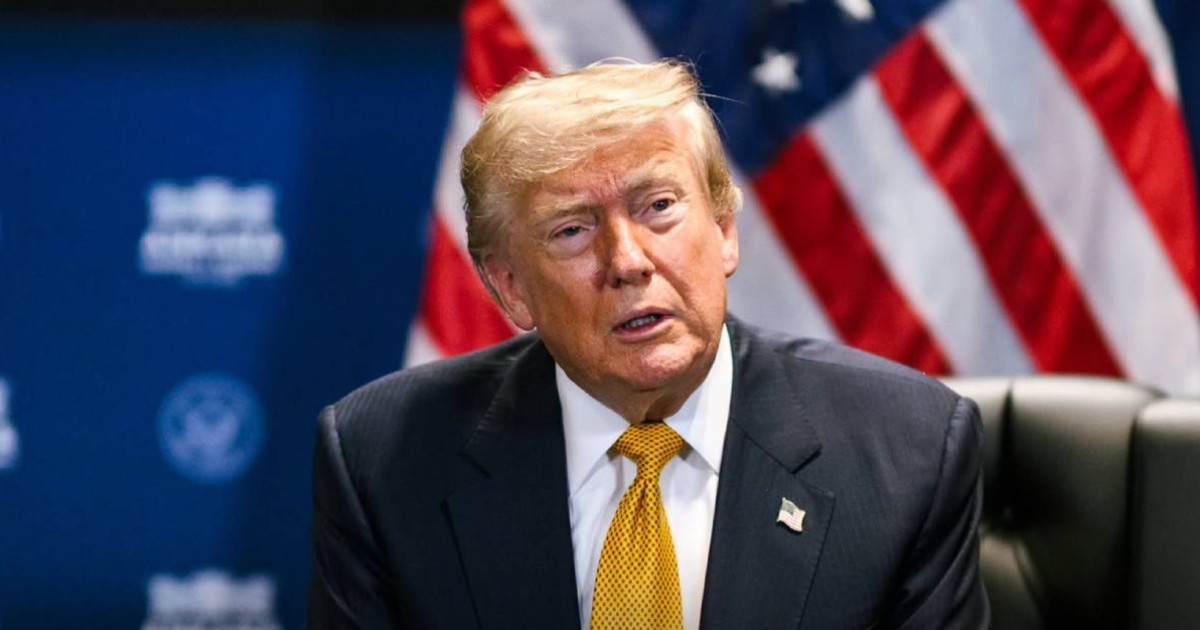
As the World Cup draws to a close, British columnist Roger Boyes suggests that Donald Trump might seize the end of the tournament as an opportunity to refocus his agenda on Cuba, turning the heat on Havana's regime into a central element of his strategy for the upcoming U.S. midterm elections.
In a piece featured in The Times, Boyes argues that while the World Cup has been a platform for Trump to showcase international leadership, the White House's goals were never solely about sports.
"Once the final whistle blows this weekend, it will become evident that for Trump, hosting the event was always about projecting national strength, economic dominance, and the logistical prowess required by the planet's largest spectacle, rather than celebrating empathy and brotherhood," the analyst penned.
Trump's Focus Shifts Back to International Affairs
According to Boyes, after the World Cup wraps up, the Trump Administration intends to vigorously pursue other international fronts. He identifies Cuba as a nation that could play a significant role in the U.S. president's political strategy.
Boyes posits that Trump aims to demonstrate foreign policy leadership to his electoral base before the legislative elections. He cites the operation that led to Nicolás Maduro's ousting from power in Venezuela as a precedent and suggests that Cuba now presents a target with substantial symbolic importance.
Cuba: A Strategic Political Target
"An action against the Cuban regime cannot promise the oil rewards but offers a sort of historical reckoning with the Castro dynasty," Boyes claimed.
In his view, "the mechanisms of an operation regarding Cuba have been gradually put into place since February." This includes the island's fuel reduction, deepening economic crisis, and the deterioration of the state-run food distribution system, all factors that increase pressure on the ruling regime.
Boyes also highlights the significance of the U.S. decision to prosecute Raúl Castro over the 1996 shootdown of the Brothers to the Rescue planes. He believes this move could be interpreted as a message to sectors within the Cuban Armed Forces.
Trump's Political Timeline and Cuba
The analyst concludes by pointing to the political landscape in the coming months. Although the outcome remains uncertain, he asserts that a potential regime change in Cuba is now part of the White House's strategic calculations.
"Whether regime change might occur before the fall midterm elections remains to be seen, but it is beginning to be part of Trump's choreography for after the tournament," Boyes concluded.
These statements are part of the political analysis by the veteran columnist and do not reflect any official announcements from the Trump Administration.
However, they emerge at a time of increasing Washington pressure on the Cuban regime and fuel the debate over what the next step in U.S. policy toward Havana will be once the international showcase of the 2026 World Cup concludes.
Implications of Trump's Potential Actions on Cuba
What are the potential consequences of Trump's increased pressure on Cuba?
Increased pressure could potentially lead to heightened tensions between the U.S. and Cuba, further economic hardships for the Cuban population, and a shift in diplomatic relations. It may also influence the political dynamics within Cuba's leadership.
How might Trump's focus on Cuba impact the upcoming U.S. midterm elections?
By concentrating on Cuba, Trump may aim to rally his electoral base by showcasing strong foreign policy leadership, potentially swaying voter opinion and impacting election outcomes, especially in areas with significant Cuban-American populations.