Two concurrent crises impacting Cuban citizens, both on the island and abroad, have sparked an urgent appeal to international organizations. These crises involve the enforced disappearance of artist and activist Luis Manuel Otero Alcántara by Cuba's State Security, and the plight of numerous missing Cubans in Venezuela following the catastrophic earthquakes on June 24, 2026.
The United Nations Committee on Enforced Disappearances (CED) initiated an Urgent Action on July 12, under file number AU No. 2357/2026, in response to a request from Cubalex. The committee demanded that the Cuban regime disclose Otero Alcántara's whereabouts by July 25.
State Security agents removed the activist from Guanajay Prison in Artemisa on July 7, between 5:00 PM and 6:00 PM, without informing his family or disclosing his destination, despite his five-year sentence being set to expire on July 9.
On the same day, Anamely Ramos briefly spoke with Otero Alcántara via a State Security phone, confirming fears: "He is not free, not released; he is under State Security's custody somewhere in Havana."
Amnesty International labeled the situation as an enforced disappearance, demanding his immediate and unconditional release. The organization has recognized him as a prisoner of conscience since 2021.
This is not the first instance of such repercussions for Otero Alcántara. The UN committee noted a previous enforced disappearance in July 2021, documented under file AU 1208/2021, just before the July 11 protests that year.
Missing Cubans in Venezuela Following Earthquakes
Simultaneously, at least 32 Cubans were reported missing in Venezuela's La Guaira state—specifically in Caraballeda, Catia La Mar, and Los Corales—after the June 24 earthquakes, which officially resulted in 1,719 deaths and over 5,000 injuries.
Citizen platforms like Encuéntralos and elToque called on international organizations due to the initial evasive response from the Cuban government. The Ministry of Foreign Affairs stated on June 27 that it had "no official confirmation" of affected nationals.
Days later, the regime acknowledged two deaths and 24 missing persons. Among the confirmed victims were 10-year-old Cuban boy Dayán Nino, trapped under debris for over a week, and a family of six led by cycling instructor Yadina, known as "the Cuban."
Wider Humanitarian Crisis in Cuba
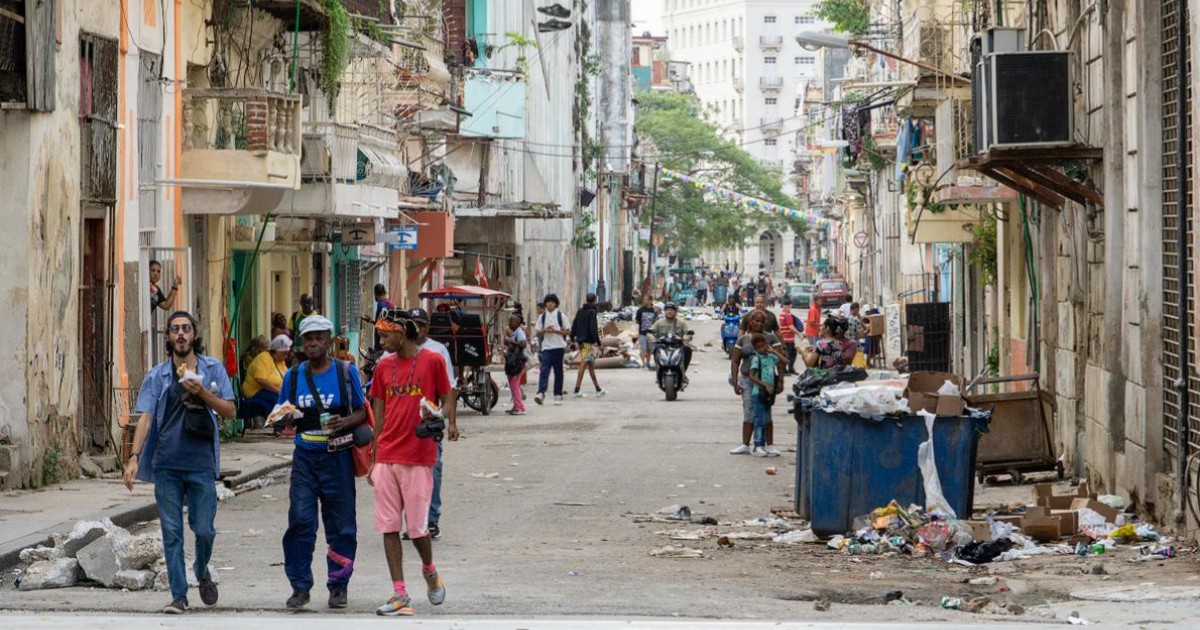
Both tragedies unfold against the backdrop of a broader humanitarian crisis that the Cuban regime refuses to acknowledge. On June 25, Foreign Minister Bruno Rodríguez Parrilla stated that the situation in Cuba "does not constitute a humanitarian crisis," contradicting warnings from the IACHR about deteriorating essential services and the UN's alerts about potential collapse risks.
Statistics tell a different story: power outages lasting up to 25 hours a day, only 30% of essential medications available, and infant mortality climbing from 4.0 to 9.9 per thousand live births between 2018 and 2025.
The UN-imposed deadline for the Cuban regime to provide information on Otero Alcántara's whereabouts is July 25, 2026, coinciding with José Martí's birth anniversary, a date the international community will watch closely.
Key Questions about Cuba's Current Crises
Who is Luis Manuel Otero Alcántara?
Luis Manuel Otero Alcántara is a Cuban artist and activist known for his outspoken stance against the Cuban government. He has been recognized by Amnesty International as a prisoner of conscience since 2021.
What triggered the urgent appeal to international organizations?
The urgent appeal was triggered by the enforced disappearance of Luis Manuel Otero Alcántara by Cuba's State Security and the disappearance of numerous Cubans in Venezuela following devastating earthquakes.
What is the Cuban government's stance on the humanitarian situation?
The Cuban government, through Foreign Minister Bruno Rodríguez Parrilla, has denied that the current situation constitutes a humanitarian crisis, despite evidence of severe shortages and infrastructure failures.