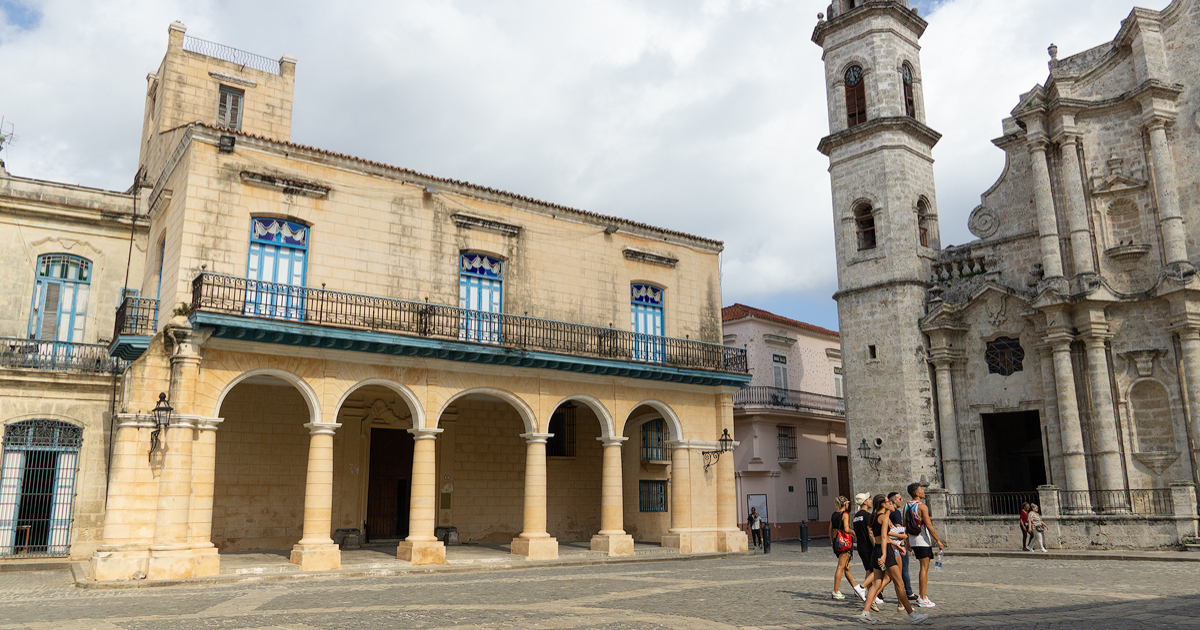
On Saturday, three tourism companies—Turismo Popular, Taíno Tours, and Prelasa—signed an agreement to include Cuba as an extension of Mexico's "Mundo Maya" circuit. This collaboration aims to create a multi-destination package linking the archaeological sites and heritage cities of southeastern Mexico with Havana, Varadero, and other colonial cities on the island.
Supported by the Cuban Embassy in Mexico, the agreement was introduced as a direct response to the sharp decline in Cuban tourism. According to a report from La Jornada, only 328,608 international visitors arrived in Cuba during the first four months of 2026, marking a 55.8% decrease compared to the same period the previous year.
The inaugural package is set to launch in August, featuring flights between Cancún and Havana. It will coincide with the Varadero Festival—scheduled for August 24 to 30—as a complementary cultural attraction.
Connecting Cultures: A New Tourism Strategy
The package will offer destinations such as Chichén Itzá, Tulum, Mérida, and Palenque, along with Cuban colonial cities, UNESCO World Heritage beaches, and monuments. This initiative aims to attract the American market and other international tourists.
Jaime Morett, General Director of Turismo Popular, emphasized the importance of moving beyond intentions. "Signing this agreement is crucial because it goes beyond the good intentions and aspirations we often have for developing products and routes. Envisioning our Mundo Maya from a regional perspective is extremely challenging to achieve alone," he told La Jornada.
Strengthening Historical Bonds
Erick Gómez of Taíno Tours highlighted the historical ties between the two nations: "Cuba and Mexico have shared a strong bond throughout history. Sharing the cultural and heritage attributes of both countries will strengthen our relationship and tourism development."
Mario Escalona, General Director of Prelasa, described the agreement as more than a formal document: "This act symbolizes mutual trust, a willingness to work together, and a commitment to continue strengthening the historical ties between Mexico and Cuba through tourism and culture."
Facing Economic Challenges with Strategic Alliances
Aleinor Zerquera, Cuba's Tourism Counselor in Mexico, presented the partnership as a strategic tool against the economic pressure facing the island. Using the typical rhetoric of the regime, she stated, "We are living through a very difficult time, with an unprecedented tightening of the blockade against Cuba, which aims to suffocate our country—a goal they will never achieve."
The agreement is part of the Cuba-Mexico Tourism Cooperation Actions Program 2025-2028, signed in 2025 by the tourism ministers of both countries, which already included joint routes, professional training, and binational events.
A Multidestination Approach to Revitalize Tourism
This agreement comes at an unprecedented low for the sector. After the petroleum blockade ordered by the Trump administration in February 2026, over 300,000 Cuban tourism workers lost their jobs, more than 1,700 flights were canceled, and chains like Meliá, Iberostar, and Sunwing either closed or suspended operations on the island.
Major Canadian airlines, including Air Canada, WestJet, and Air Transat, have left Cuba indefinitely, resulting in hotel occupancy rates plummeting below 10%, a level at which no establishment can be profitable.
In this context, the new multi-destination circuit aims to diversify source markets and attract travelers who might not consider Cuba as an independent destination, using Cancún as a gateway and aerial connection to Havana.
Common Questions on the Cuba-Mexico Tourism Partnership
What is the purpose of the Cuba-Mexico tourism agreement?
The agreement aims to counter the decline in Cuban tourism by creating a joint tourism circuit with Mexico that offers multi-destination packages, connecting archaeological and heritage sites in both countries.
Which destinations are included in the new tourism package?
The package includes destinations such as Chichén Itzá, Tulum, Mérida, and Palenque in Mexico, along with Havana, Varadero, and other colonial cities in Cuba.
How does the agreement affect the tourism industry in Cuba?
The agreement seeks to revitalize the struggling Cuban tourism sector by attracting international tourists and diversifying the source markets, especially after the severe impacts of economic sanctions and declining visitors.