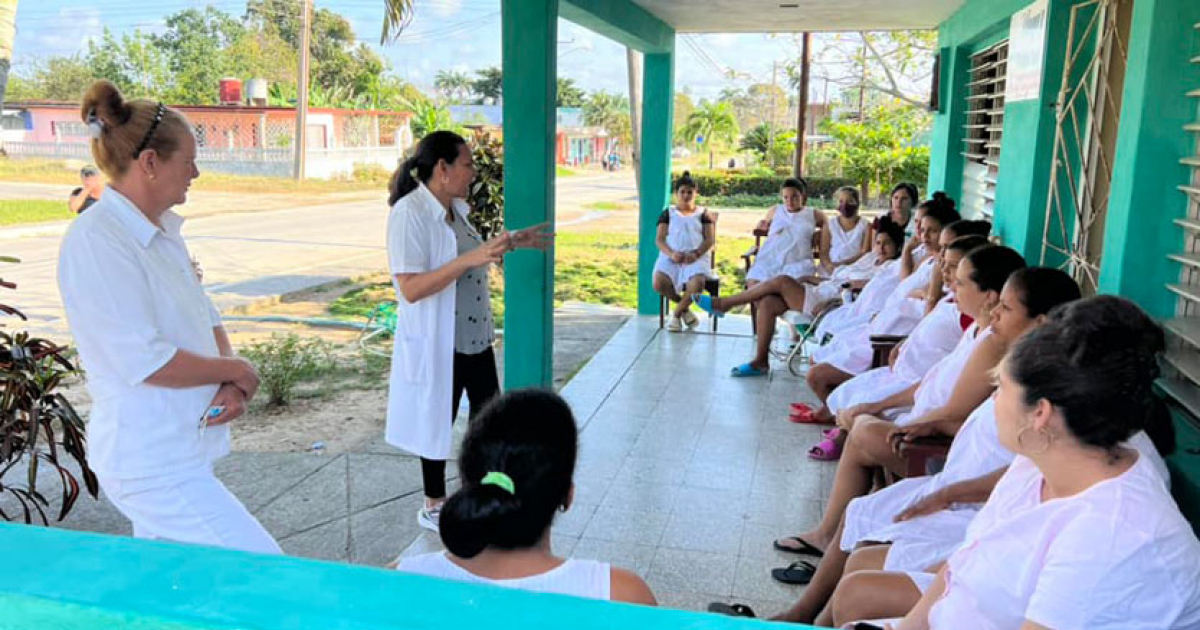
In 2025, Cuba recorded only 68,051 births, marking the lowest number of births since modern statistical records began in the country. During the same period, there were 134,354 deaths, resulting in a negative natural population change of over 66,000 people in just one year. These figures were released by the Center for Demographic Studies (CEDEM) at the University of Havana and reported by the state-run Granma newspaper in observance of World Population Day.
Plummeting Birth Rates
The decline in birth rates has been both continuous and rapid. In 2021, approximately 99,000 Cubans were born; by 2022, this number dropped to around 95,000. The figure further decreased to just over 71,000 in 2024, and in 2025, it hit a record low of 68,051. This historic low is even below the estimates from 1899, according to demographic reports.
Cuba's fertility rate stands at 1.29 children per woman, significantly below the generational replacement level of 2.1. This situation places Cuba among the countries with the lowest birth rates in the Western Hemisphere.
Emigration Compounding Population Loss
Adding to this natural decrease is the ongoing wave of emigration. In 2024, the net external migration was -251,221 people, equating to 25.4 per 1,000 inhabitants, as reported by the National Office of Statistics and Information (ONEI).
Since 2021, over a million Cubans have left the island. The official population, which exceeded 11 million in 2020, had dwindled to just 9,436,440 by early 2026.
Independent estimates paint an even bleaker picture. Demographer Albizu-Campos estimates that the actual population of Cuba is closer to 8 million, a stark contrast to official statistics, highlighting the regime's statistical opacity. The scheduled 2025 census was postponed, citing economic challenges.
Impact on Younger Generations
The demographic crisis is particularly harsh on young people. Arelis Rosalen Mora Pérez, a researcher at CEDEM, noted that by the end of 2024, 50% of those who left Cuba were young people and children under 35.
The age group from zero to four years old is the least represented in the population pyramid, while the largest age group is between 30 and 34 years.
Cuba is also the oldest country in Latin America, with 25.7% of its population over 60 years old. This proportion is expected to increase as birth rates drop and young people continue to leave the country.
Teen Fertility and Social Challenges
Matilde Molina Cintra, deputy director of CEDEM, pointed out that teenage fertility remains a structural issue. In 2024, the rate was 47.1 births per 1,000 adolescents. Although the absolute numbers have declined, the relative weight of adolescent fertility in the country's total fertility has increased.
"Pregnancy forces teenagers to abandon what should be a normal life experience at this age, leading to a loss of social, educational, and health opportunities," she stated.
CEDEM Director Antonio Aja Díaz called for policies ensuring "a migration policy where the right is not just to migrate but the right not to have to." This demand underscores the regime's inability to provide decent living conditions that would retain its population.
The United Nations projects that if the current trend continues, Cuba's population could shrink to 5.6 million by 2100, nearly half of the current population.
Frequently Asked Questions about Cuba's Demographic Crisis
Why are birth rates declining in Cuba?
The decline in birth rates in Cuba is due to various factors, including economic hardships, lack of resources, and social conditions that discourage having children.
How does emigration affect Cuba's population?
Emigration significantly reduces Cuba's population as many young and skilled individuals leave for better opportunities abroad, exacerbating the demographic decline.
What is the current fertility rate in Cuba?
The current fertility rate in Cuba is 1.29 children per woman, which is well below the replacement level of 2.1 needed to maintain a stable population.