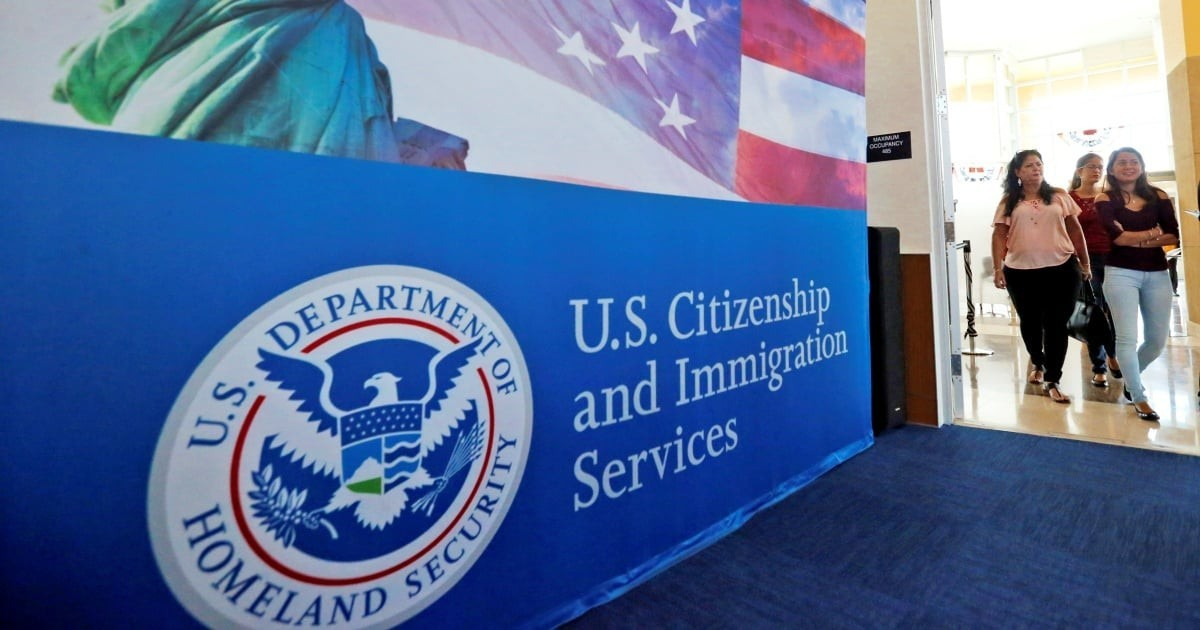
A recent regulation from the Department of Homeland Security, effective Thursday, July 10, significantly alters the repercussions of submitting an immigration benefits application to the United States Citizenship and Immigration Services (USCIS) without a valid signature.
Previously, if a signature issue was identified, USCIS would return the form, allowing the applicant to correct the error without financial loss or case closure.
As of July 10, this grace period is no longer available. If USCIS accepts an application and later finds the signature invalid, they may reject or deny it outright, without offering a Request for Evidence or opportunity to rectify the mistake.
In case of a denial, the filing fee will not be refunded, and applicants must restart the process from scratch.
Details of the New Signature Regulation
Published in the Federal Register as an interim final rule on May 11, 2026, this regulation applies solely to applications submitted on or after July 10. Applications already in process before this date continue under the previous practice.
The rule specifies acceptable signature types: original handwritten signatures in ink, scanned or photocopied copies of original handwritten signatures, and electronic signatures generated within USCIS-authorized online submission systems.
Invalid signatures include those created with word processing software, copied and pasted signature images, digital signatures from unauthorized platforms like DocuSign or Adobe Sign, rubber stamps, or typed names instead of a signature.
Affected Forms and Notable Exceptions
The rule impacts nearly all immigration forms requiring a signature, such as the I-485 (adjustment of status or green card), I-765 (work permit), I-601, I-360, and I-912.
There is a limited exception for forms N-600 and N-600K, related to citizenship by birth or derivation, which can only be rejected—not denied—if the sole deficiency is an invalid signature.
Expert Warnings on the New Regulation
Former DHS official Adam Klein cautioned in Newsweek that the consequences extend beyond losing the filing fee. "For many applicants and employers, a denial might mean starting the entire process over," Klein noted, also warning of potential "gaps in work authorization or loss of immigration status."
While the government claims the objective is to streamline the system and prevent irregularities, the practical impact is a more complicated and risky process for applicants. "If you're denied the benefit... you're not in line to receive that status. Applicants have to go back to the end of the line," Klein explained.
Broader Context of Stricter Immigration Policies
This regulation adds to a series of measures under the Trump administration that have tightened the criteria for obtaining permanent residency, including a memorandum redefining status adjustment as "an extraordinary discretionary relief" and the intensification of interviews at USCIS.
The new rules not only impose stricter technical requirements but also bolster the discretionary nature of the status adjustment process, meaning fulfilling the basic requirements no longer assures approval.
An internal USCIS memo advises officers to assess each case individually, weighing multiple factors beyond the basic criteria, introducing a higher level of uncertainty for applicants.
Klein described a fundamental shift in institutional culture: "From a body of officers trying to get the right benefit to the right person, to one that seems to focus on denying benefits."
Former DHS official Morgan Bailey mentioned, "The concern isn't the clarity itself, but how the agency will wield that authority."
The current restrictions will remain in place at least until September 30, 2026, when the federal fiscal year ends and visa quotas are renewed.
Understanding USCIS Signature Regulations
What types of signatures does USCIS accept?
USCIS accepts original handwritten signatures in ink, scanned or photocopied copies of original handwritten signatures, and electronic signatures generated within USCIS-authorized online submission systems.
What happens if my application is denied due to an invalid signature?
If an application is denied due to an invalid signature, the filing fee will not be refunded, and the applicant must restart the process from the beginning.
Are there any exceptions to the new signature rule?
Yes, forms N-600 and N-600K can only be rejected, not denied, if the only issue is an invalid signature.