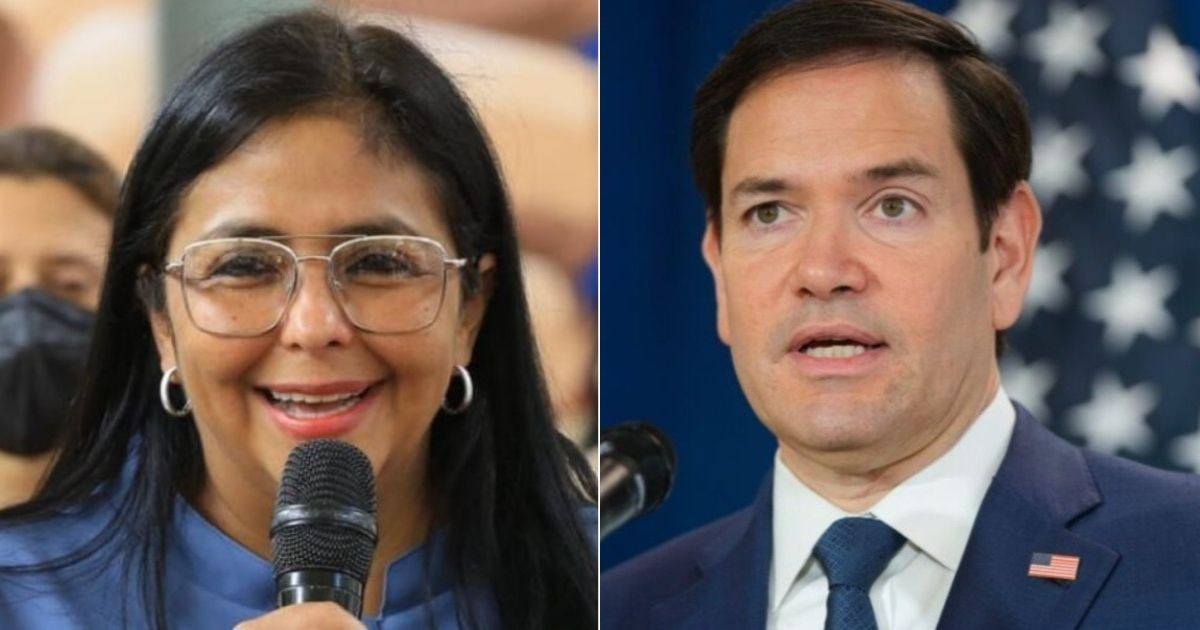
According to an in-depth investigation by The New York Times, Marco Rubio has effectively taken control over Venezuela's finances, natural resource distribution, and governmental decisions, despite not having set foot in the nation since U.S. special forces apprehended Nicolás Maduro on January 3, 2026. This report, published on Saturday, is based on interviews with over a dozen officials from both governments.
The article portrays the Secretary of State as Venezuela's "de facto viceroy," exerting a level of authority over the sovereign country not seen since L. Paul Bremer III's administration of U.S.-occupied Iraq in 2003.
The primary mechanism of this control is financial: the U.S. Treasury collects revenues from most Venezuelan exports and disburses the funds incrementally through private banks, a relationship likened by the newspaper to "parents giving allowances to children."
Rubio and his team dictate the conditions for spending and determine who receives these funds. Interim President Delcy Rodríguez, formerly Maduro's vice president, relies on these funds to cover salaries and uphold the national currency.
Financial and Political Oversight
Rubio oversees sanctions, decides which companies can operate in Venezuela, and has favored American firms over existing European businesses. His influence extends into foreign policy and even social media. When Venezuelan Foreign Minister Yvan Gil condemned a U.S. attack on Iran via social media, the Trump administration insisted the post be removed. Gil complied hours later, with the NYT noting this as an acknowledgment that Venezuela no longer controls its own foreign policy.
Rodríguez reportedly submits her draft posts for Rubio's approval before publishing them. When Fox News reached out for an interview, she said Trump would need to approve it first.
The Rubio-Rodríguez Communication Channel
The relationship between Rubio and Rodríguez began in the early hours of January 3, when the Secretary of State called her with an ultimatum: cooperate with the U.S. or face attacks on Venezuela's infrastructure, military bases, and top officials. Rodríguez chose cooperation.
Since then, they have communicated in Spanish via WhatsApp, exchanging messages, birthday greetings, and photos.
President Trump declared that the U.S. would "govern Venezuela" until a "safe, appropriate, and prudent" power transition occurs, and days after Maduro's capture, he told the NYT he expected this oversight to last for years. In the Oval Office, Trump even joked about permanently sending Rubio to Caracas as the next leader.
Challenges and Operations
The earthquakes on June 24, which resulted in over 3,800 fatalities, complicated Rubio's three-phase plan: economic recovery, national stabilization, and transition to democracy.
The U.S. dispatched 900 troops, pledged nearly $400 million in aid, and provided cash directly to the Venezuelan government. "It's a setback in that sense," Rubio conceded.
The collaboration also includes a security dimension: in June, U.S. forces, using intelligence from Rodríguez's government, launched a missile strike killing Niño Guerrero, a leader of the Tren de Aragua, in southern Venezuela. This marked the first joint military operation between the two nations in decades.
The political future remains uncertain. María Corina Machado, Venezuela's most popular opposition leader, has been sidelined by Rubio to avoid destabilizing the military and security apparatus. When asked by the NYT in May about the timing of elections, Rodríguez responded, "I don't know. At some point." The report concludes that this decision lies with Rubio, not Rodríguez.
Understanding U.S. Influence in Venezuela's Governance
How is Marco Rubio controlling Venezuela's finances?
Marco Rubio controls Venezuela’s finances by having the U.S. Treasury manage revenues from Venezuelan exports, which are then gradually disbursed to the country through private banks, under conditions set by Rubio and his team.
What role does Delcy Rodríguez play in the current Venezuelan government?
Delcy Rodríguez, the interim president, relies on U.S.-controlled funds to pay salaries and maintain the national currency. She communicates regularly with Marco Rubio and submits to his approval for significant decisions, including social media posts.
What is the significance of the U.S. military presence in Venezuela?
The U.S. military presence, which includes 900 troops and nearly $400 million in aid, is part of efforts to stabilize Venezuela, recover its economy, and transition to democracy. It also involves security operations, such as the June missile strike against a criminal leader.
What challenges are faced in implementing Rubio's plan for Venezuela?
Challenges include the aftermath of the June 24 earthquakes, which complicated efforts to stabilize the nation. Additionally, managing the political landscape and ensuring a smooth transition to democracy remain significant hurdles.