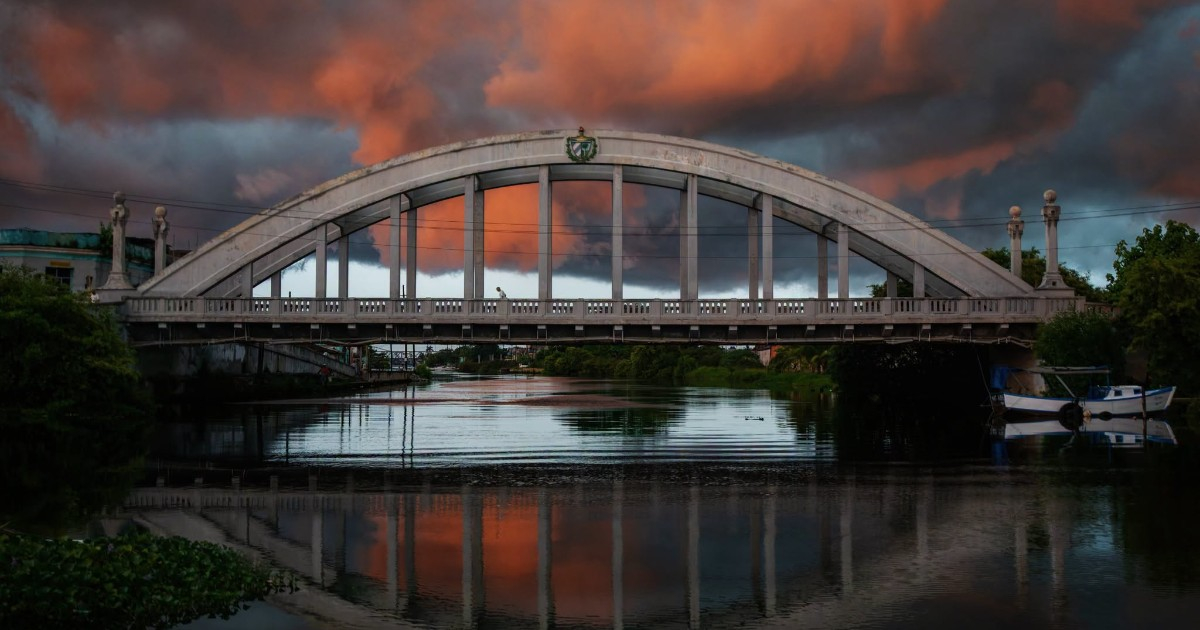
This Saturday, Cuba is experiencing the most intense wave of Saharan dust recorded so far in the 2026 season. Meteorologist Rubén Capote highlighted this as "the highest concentration of Saharan dust we've seen yet this season."
The dust cloud affects the entire island from east to west, marking Saturday as the "worst day for Cuba." By Sunday, July 12, the dust core is expected to move toward Florida and the Yucatán Peninsula, although the western half of the island will remain under its influence.
Meteorologist Vladimir Leon from the Meteorología_Cuba page confirmed that this dense cloud covers the entire nation. He emphasized the severity with, "The first graph shows surface concentration and is quite dense. The second and third graphs show concentrations between 1 and 3 km where the dust is denser."
Leon’s meteorological maps indicate concentrations up to 800 and 1,500 µg/m³ (micrograms per cubic meter) both at the surface and at altitudes between one and three kilometers, where the concentration is even higher.
The impact on rainfall is also significant: the dust presence reduces precipitation to isolated showers in southern areas from Matanzas to Sancti Spíritus, with scarce rainfall elsewhere in the country.
Leon urged the public, "It's essential to protect oneself, especially individuals with respiratory conditions and those working outdoors or involved in other activities."
The most vulnerable groups include those with asthma, chronic bronchitis, or allergies, as well as children under four, adults over 65, and pregnant women.
Recommended precautions include wearing masks, avoiding prolonged outdoor activities, keeping doors and windows closed, staying hydrated, and rinsing eyes and nasal passages with clean water.
This incident will not be the last of the week. Leon warned that "another wave of this dust might arrive later this week," keeping the Cuban population on alert beyond the weekend.
This event takes place within an already active season. On June 3, INSMET meteorologist Raydel Ruisanchez warned about the first significant wave of the season, primarily affecting eastern Cuba.
Just on July 9, the year's largest dust columns reached Florida, as noted by meteorologist Matt Devitt. Now, two days later, Cuba encounters what experts describe as the highest concentration peak seen in 2026.
The Saharan dust travels within the so-called Saharan Air Layer, located between 0.5 and 3.5 miles above the surface, journeying over 8,000 kilometers from the African desert, driven by the trade winds.
The Caribbean's most active season stretches from mid-June to mid-August, with Cuba as one of the first territories to receive each wave due to its geographical position.
The phenomenon also has a documented positive effect: it suppresses hurricane formation in the Atlantic by introducing dry air that weakens tropical storms and transports nutrients that fertilize the Amazon rainforest.
However, peaks of bronchial asthma in Cuba during the summer have been closely linked to this phenomenon since at least 2018, making each intense episode a real health alert for thousands of Cubans.
Understanding Sahara Dust's Impact on Health and Climate
What measures can people take to protect themselves from Saharan dust?
To protect against Saharan dust, individuals should wear masks, avoid prolonged outdoor activities, keep doors and windows closed, stay hydrated, and rinse eyes and nasal passages with clean water.
How does Saharan dust affect weather patterns in the Caribbean?
Saharan dust can reduce rainfall by causing dry conditions, leading to isolated showers. It also suppresses hurricane formation in the Atlantic by introducing dry air that weakens tropical storms.
Who are the most vulnerable groups during Saharan dust events?
The most vulnerable groups include individuals with asthma, chronic bronchitis, or allergies, as well as children under four, adults over 65, and pregnant women.