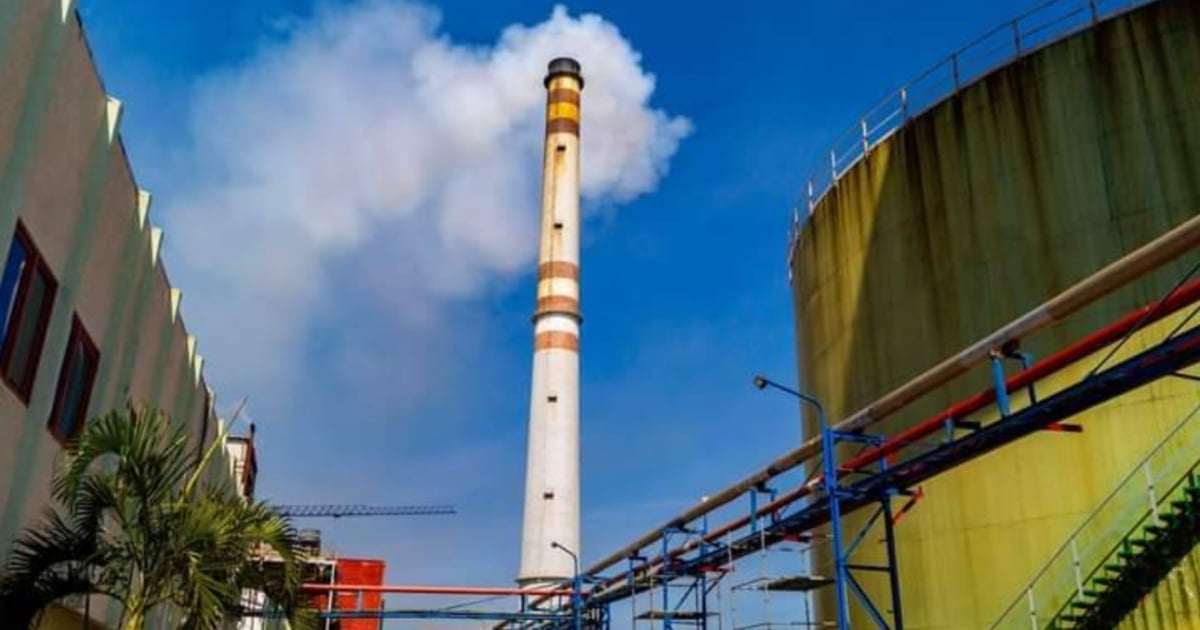
Cuba's National Electric System (SEN) completely failed at 4:30 PM on Friday, causing an unexpected halt to the synchronization of the Antonio Guiteras Thermoelectric Plant in Matanzas. This incident was reported by journalist José Miguel Solís from the province.
This marks the fourth total blackout of the year, leaving nearly 10 million people across the island without power. The outage initially struck the western part of the country before spreading nationwide.
The Guiteras plant, which is the largest thermal power station in Cuba with an installed capacity of 630 MW, had been offline since July 3rd—its 17th shutdown in 2026—due to a leak in its boiler economizer.
Although there had been a promise to bring the plant online during peak demand hours this Friday, the SEN's collapse thwarted that effort.
Nationwide Frustration and Resentment
Citizens have grown increasingly frustrated with the repeated system failures and broken promises, encapsulated in a phrase that has gained popularity among Cubans since November 2025: "When will they officially declare the Stone Age?" This sarcastic remark highlights the forced regression to using wood and charcoal for cooking, walking due to fuel shortages, and living without essential services dependent on electricity.
Angry netizens voiced their concerns about how long they must endure such humiliation. "We can't live like this forever; there are children, young people, and the elderly here. Something needs to change to improve this situation because we are truly at extreme levels where living is unbearable."
One fed-up user expressed, "I wish a Venezuela-like earthquake would hit us. Life in Cuba is no longer livable."
Emergency Measures in Response to the Collapse
Following the collapse, authorities activated emergency protocols, setting up small isolated power systems, known as microgrids, to ensure minimal supply to hospitals and water supply centers across the country.
In Matanzas, a microgrid was established using the Guanábana engine battery near the city to power Energás Varadero and bolster the small provincial electrical system.
The Guiteras plant remains on standby, waiting for external power to resume its restart, provided no new faults occurred during the disconnection.
Historical Energy Crisis Deepens
This recent collapse occurs amid the worst energy crisis in Cuba's recent history. On July 9, the generation deficit reached a historic high of 2,341 MW, with only 935 MW available against a demand of 3,100 MW. Additionally, Cuba hasn't received oil shipments for over three months, with more than 106 distributed generation plants halted due to fuel shortages, representing 890 MW of unavailable capacity.
The year's third total blackout occurred just four days earlier, on July 6, triggered by the failure of Unit 6 at the Nuevitas thermoelectric plant in Camagüey, affecting 9.6 million people.
Ironically, Matanzas, home to the country's largest plant, has experienced some of the worst outages, with municipalities in the province enduring up to 94 consecutive hours without electricity before this latest collapse.
On Friday, Energy Minister Ángel Díaz-Canel acknowledged that the planned increase of 400 MW for July would not meet national demand and urged for better "organization" of blackouts, a statement that fueled outrage on social media.
Understanding Cuba's Energy Crisis
What caused the recent blackout in Cuba?
The recent blackout was caused by a complete failure of Cuba's National Electric System (SEN), which interrupted the synchronization process of the Antonio Guiteras Thermoelectric Plant.
How many people were affected by the power outage?
The blackout affected nearly 10 million people across Cuba, impacting essential services and daily life.
What measures did the Cuban government take in response to the collapse?
The government activated emergency protocols, setting up microgrids to provide minimal power to key facilities like hospitals and water supply centers.