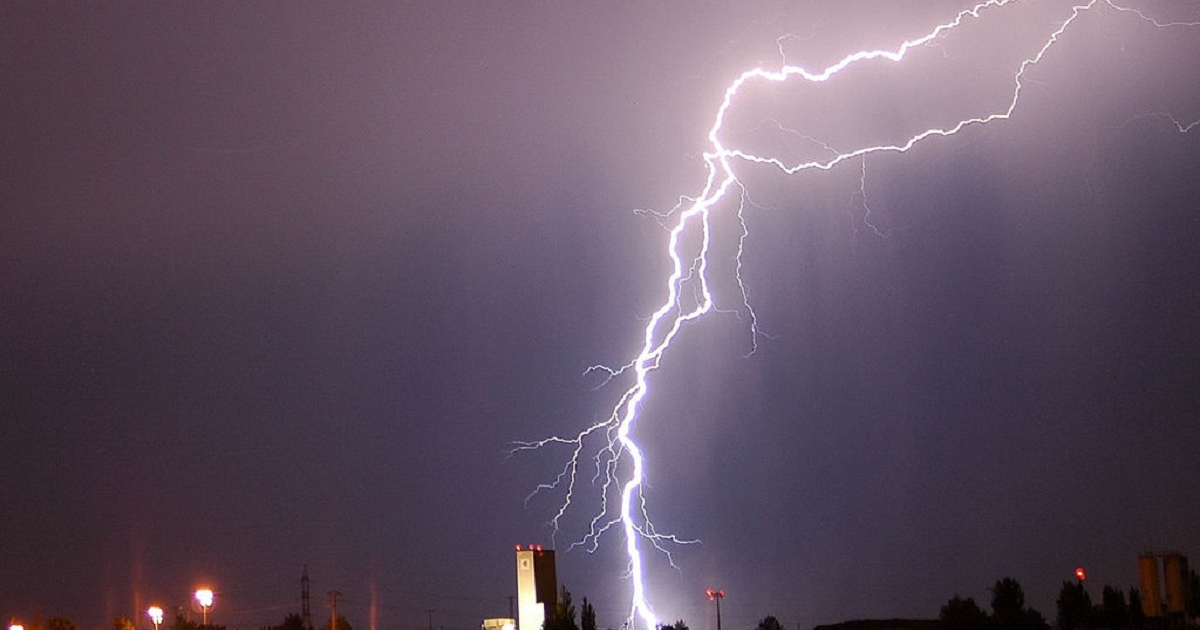
Florida has already seen more than a million lightning strikes so far in 2026, with over 200,000 of those occurring in just one week, according to meteorologist Matt Devitt.
"One million lightning strikes. That's the number Florida has recorded so far in 2026 based on recent data. In fact, we've experienced over 200,000 just in the past week, and many more are expected," Devitt noted in his report.
This figure arrives at the peak of the summer thunderstorm season, a time when electrical activity in the state reaches its annual zenith.
The dangers of this season were highlighted on July 4th when a man tragically lost his life and three others were injured after being struck by lightning while swimming off Fort Myers Beach, as reported by The Weather Channel.
What's particularly striking about this incident, as per Gulf Coast News, is that there was only one lightning strike within a 15-mile radius of the area at that time.
"It wasn't a particularly strong storm," explained Rob Duns, a meteorologist from Gulf Coast News. "Anytime there's a cloud-to-ground lightning strike, it's a dangerous situation. Unfortunately for those simply enjoying the beach, it turned deadly with that single strike," he added.
Florida leads the nation in lightning fatalities from 2016 to 2025, with 51 deaths, according to the Lightning Safety Council. Texas follows in second place with 21 deaths during the same period.
Previous incidents on Florida's beaches underscore that the threat is not new: In September 2024, lightning struck three members of a Cuban family on a beach, and a 29-year-old man died after being struck by lightning on a beach in June 2025.
However, the current surge in electrical activity in 2026 contrasts with the previous year when Florida lost its long-held title as the lightning capital of the United States to Oklahoma, as reported by AEM and Vaisala companies in January 2026.
In 2025, Oklahoma recorded approximately 73 flashes per square mile, while the community of Shady Grove was named the national lightning capital with 3,005 events per square mile.
Despite this statistical setback, Florida remains one of the most thunderstorm-prone states in the country, with all 67 of its counties experiencing thunder and lightning activity throughout the year.
Frequently Asked Questions About Lightning in Florida
Why does Florida experience so many lightning strikes?
Florida's geographic location and climate contribute to frequent thunderstorms, especially during the summer months when warm, moist air creates ideal conditions for storm development.
How can individuals stay safe during a lightning storm?
To stay safe, it is advised to seek shelter indoors, avoid open fields, high ground, and water. It's also important to stay away from electrical appliances and plumbing until the storm has passed.
What makes cloud-to-ground lightning strikes particularly dangerous?
Cloud-to-ground lightning strikes are dangerous because they carry a high electrical charge and the potential to cause serious injury or death. They can strike anywhere without warning.