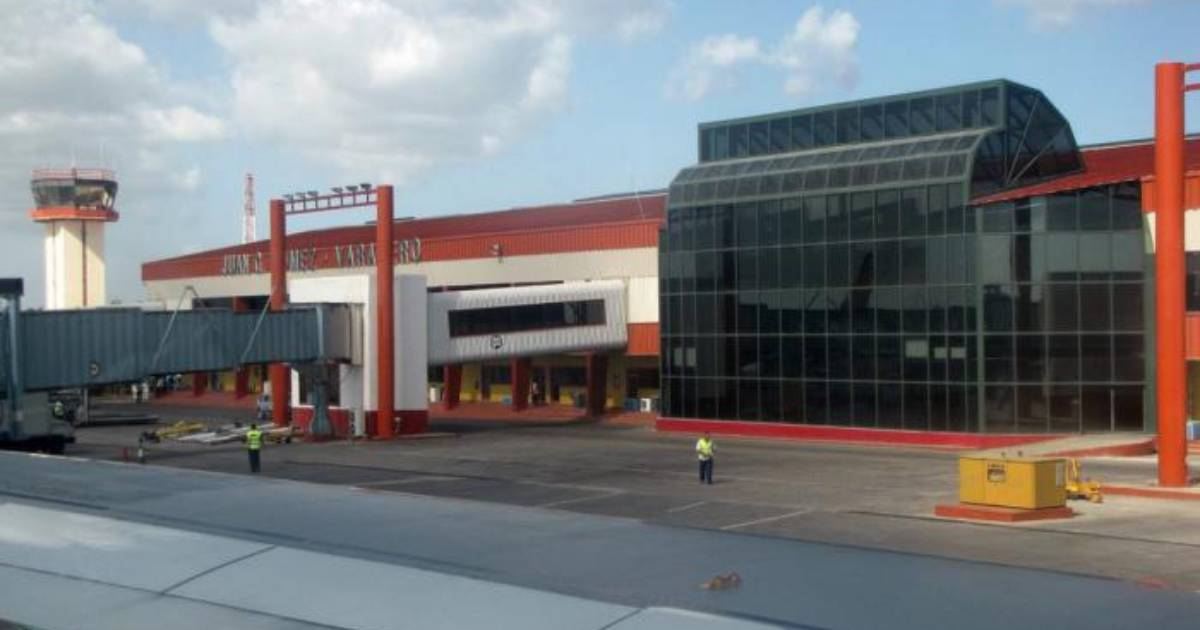
The Juan Gualberto Gómez Airport in Varadero, which has been largely inactive due to the ongoing crisis in Cuban aviation, has initiated a public tender to lease out four of its fuel tanks to businesses interested in repurposing them. This move comes as a response to the severe challenges faced by the airport sector in Cuba.
On June 24, the airport's Base Business Unit (UEB), which is part of the Cuban Airports and Aeronautical Services Company (ECASA), announced the availability of these tanks. The offer includes two 50-cubic-meter tanks and two 35-cubic-meter tanks, covering a total area of 215.80 square meters.
The monthly rent is set at 264,139.20 Cuban pesos, calculated at a rate of 1,224 CUP per square meter.
Bids will be opened on July 14 at 9:30 AM during a notarial event conducted by licensed attorney Yaneisy Ruiz Morales at the UEB's Commercial Department, located on the Mártires de Barbados Road Km 5.6, Finca Cabarroca, Carbonera, Matanzas.
To participate, interested parties must submit an application letter, legal documentation, a debt-free certification from the National Tax Administration Office (ONAT), and a detailed budget and project proposal for the planned activities.
The lease contract strictly prohibits any transfer or subleasing of the space. Additionally, the lessee's employees must be accredited with airport authorities, and the monthly rental fee must be paid within 30 days of invoice receipt.
A notable clause in the contract states that the lease is "contingent upon the resumption of airport operations," highlighting the limited or near-halted status of the terminal's activities.
As Cuba's leading gateway to its premier tourist destination, the Varadero airport is now resorting to leasing its facilities as a means to generate revenue amidst the lack of regular commercial flights.
This decision underscores the severity of the aviation crisis in Cuba as of 2026. Since at least February of this year, airports in Havana, Varadero, Holguín, and Santiago de Cuba have been unable to ensure the supply of Jet A-1 fuel for airlines.
The fuel shortage has led to a significant exodus of international carriers, with at least 11 airlines ceasing their routes to Cuba this year, leaving only eight still active.
Notably, Iberia discontinued its historic Madrid-Havana route in June, and Cubana de Aviación canceled its sole flight between Madrid and Havana on May 12 after its operator, Plus Ultra, withdrew.
Meanwhile, Air Europa and Air France have been forced to make technical stops in the Dominican Republic and the Bahamas to refuel before continuing to Cuba.
Compounding the issue, a U.S. government executive order issued on May 1st imposed stricter legal controls and asset freezes on operators supporting key sectors of the Cuban economy. This has further discouraged companies from maintaining their operations on the island.
Frequently Asked Questions about Varadero Airport's New Leasing Strategy
Why is Varadero Airport leasing its fuel tanks?
The airport is leasing its fuel tanks to generate revenue due to the suspension of regular commercial flights caused by the aviation crisis in Cuba.
What are the conditions for leasing the fuel tanks?
The lease prohibits subletting, requires lessee staff accreditation with airport authorities, and mandates payment within 30 days of invoicing. The lease is contingent on the resumption of airport operations.
How has the U.S. government affected aviation in Cuba?
A U.S. executive order has imposed stricter legal controls and asset freezes on operators aiding crucial sectors in Cuba, deterring many companies from continuing operations there.