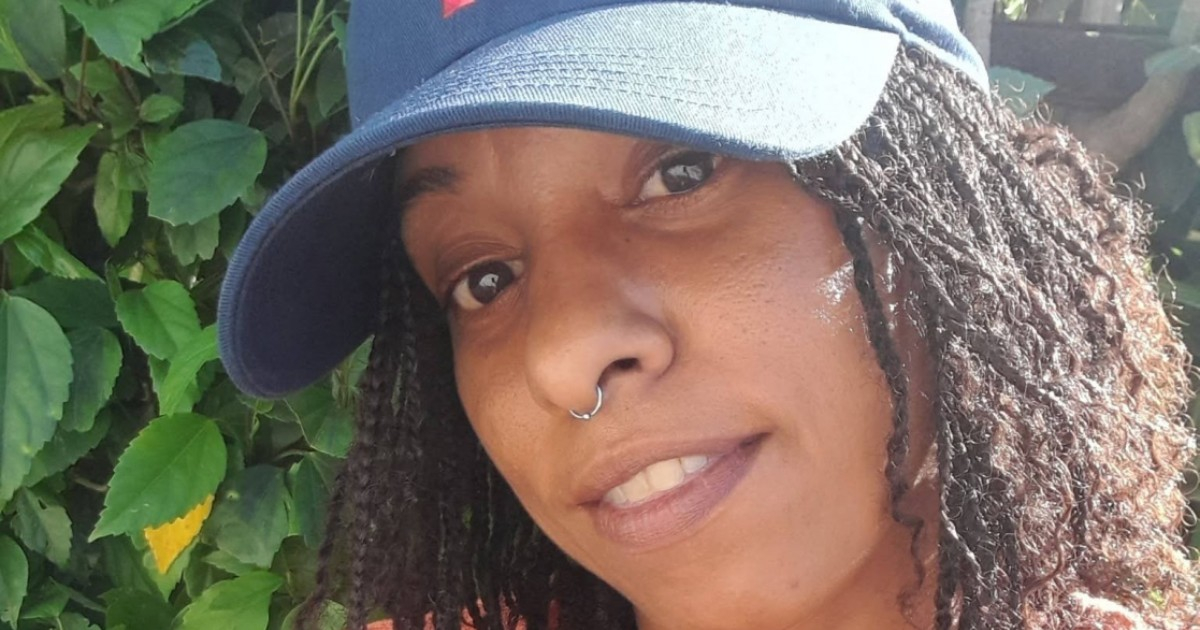
Zea Gisselle, a resident of the Zamora neighborhood in Marianao, Havana, shared a harrowing account on Facebook on July 6th. She detailed the severe hardships her community is enduring: 38 continuous hours without power, a full week without drinking water, and the overwhelming frustration of watching her neighbors unable to fill even a single tank.
Her post coincided with Cuba experiencing its third nationwide blackout of the year. The National Electric System collapsed at 12:17 p.m. after the No. 6 unit at the Nuevitas thermoelectric plant in Camagüey went offline, plunging approximately 9.6 million people into darkness.
Zea Gisselle began her post expressing exhaustion and a desperate thirst for justice. She meticulously recounted every hour of what she described as a "via crucis"—a true ordeal.
By the time power was restored at 5:15 p.m. on Sunday, three water cycles had passed without supply—equivalent to seven days, as service is provided every other day in her area. Water began trickling into the pipes 15 minutes later, but with inadequate pressure and flow. Just as her neighbors started filling their tanks, the power went out again at 6:15 p.m.
The electricity returned at 6:30 p.m., but the water pressure continued to wane. Zea Gisselle managed to fill her tanks using a motor and then assisted her neighbors. Yet, at 8:00 p.m., another blackout hit, leaving more than half of her block and neighborhood without the means to store any water.
"I broke down in tears of helplessness," she wrote.
Her critique targets the regime directly: "This is criminal! It's a crime to keep people without electricity, gas, or water. Damn it, without water!"
She addressed her grievances to Aguas de La Habana, the Havana Electric Company, and the Havana Government, warning that their negligence could incite significant unrest in these marginalized communities. "These sidelined, forgotten, and silenced neighborhoods will eventually harbor so much rage, so much fury, so much powerlessness... that one day, they might erupt into a Myanmar-like situation with incredible ease."
The struggles she describes are not new in Zamora. On June 5th, residents of the same neighborhood banged pots in protest, demanding "water and power" after enduring six consecutive days of 21-hour blackouts. And on June 1st, Zea herself reported the arrest of her neighbor Yansis Valladares, who was detained for requesting food for her child.
In Havana, 87% of the water supply system relies on electricity, making outages a direct trigger for water crises. Nationally, 2.7 million Cubans face water scarcity, and in the capital, more than 376,000 lack regular access to water.
Zea Gisselle also described the nighttime presence of patrols, technical operation trucks, and troops at the intersection of 124th and 35th streets, overseeing a weary neighborhood that has lost the strength to protest. She urged the officers to "be a little more like the people and less like cowards" before declaring, "THE ENEMY OF THE PEOPLE IS THE STATE."
The Cuban Conflict Observatory reported 1,245 protests in March, marking the highest monthly figure since July 11th, with 107 street protests in June, an all-time record. That month, Cubalex recorded at least 38 arrests linked to such protests, including six minors.
Zea Gisselle concluded her post with a statement linking the basic services crisis to political repression: "THREE DAYS LEFT UNTIL LUISMA'S FREEDOM!" This referred to artist and activist Luis Manuel Otero Alcántara, whose five-year sentence was due to end on July 9th. However, the regime removed him from Guanajay prison on Monday in an operation, and his whereabouts remain unknown, confirmed by activist Anamely Ramos, who stated he is "currently missing."
Understanding Cuba's Energy and Water Crisis
What caused the recent blackout in Cuba?
The recent blackout in Cuba was due to the collapse of the National Electric System, triggered by the outage of the No. 6 unit at the Nuevitas thermoelectric plant in Camagüey.
How does a power outage affect the water supply in Havana?
In Havana, 87% of the water supply system is dependent on electricity. Therefore, power outages immediately impact water distribution, leading to shortages.
Who is Luis Manuel Otero Alcántara?
Luis Manuel Otero Alcántara is an artist and activist known for his opposition to the Cuban regime. He was serving a five-year sentence, which was supposed to end on July 9th, but he was taken from prison and is currently missing.