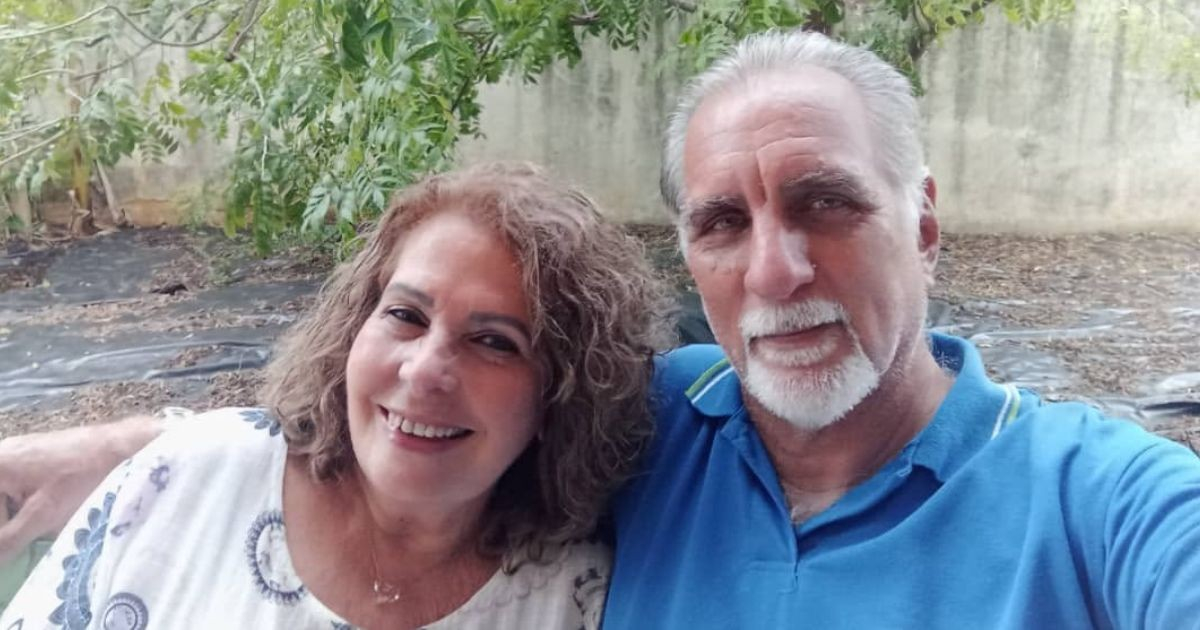
René González Sehwerert, president of Cuba's Aviation Club (CAC), recently claimed that the tragic death of young Alejandro on Isla de la Juventud was "the first CAC fatality in 15 years." This statement was promptly challenged by the Facebook page "Amantes de la Aviación Cubana," which cited at least four prior deaths in Cuban aerial sports between 2022 and 2023.
On Monday, González took to the comments section of the CAC's official announcement to defend the tandem paragliding activity and the pilot involved in the accident that resulted in the 12-year-old's death on Isla de la Juventud.
González stated, "This is the first CAC fatality in 15 years, during which 60,000 tandem parachute jumps and thousands of paramotor and paragliding flights, including hundreds with minors, have been conducted."
The response was swift.
The Counter Response
"Amantes de la Aviación Cubana" responded with a detailed rebuttal, documenting cases that contradict González's claim, all acknowledged by the organization he leads.
The first case involved Fabián Batista Hidalgo, a 19-year-old member of the Club Vuelo Santiago, who died in a paragliding accident in Puerto de Boniato, Santiago de Cuba, in December 2022.
In March 2023, Raidel Cobas, aged 33, lost his life during a parachuting exercise in Varadero. He was transferred to the military hospital in Matanzas, where he died.
Later, in August of the same year, Miladis Ríos Góngora, a 51-year-old university professor, passed away when her main parachute failed to open properly during a training jump. This incident was officially reported by the Cuban Parachuting Federation.
The fourth incident cited was that of Edelio Varona Pino, a member of the Special Troops of the Revolutionary Armed Forces and a paragliding pilot, who died in an accident in Canasí in December 2023.
Official Reaction and Defense
The Cuban Parachuting Federation issued an official statement lamenting these losses, directly contradicting González's words with the phrase: "The CAC Air Sports community is in mourning."
The post criticizing González concluded with a sharp rebuke: "When the statement comes from the president of the Cuban Aviation Club, one would expect accuracy and memory, not a narrative that erases tragedies recognized by his own organization."
González, previously convicted in the United States as a member of the Wasp Network—a Cuban espionage network active in the 1990s—was named Hero of the Republic upon his return to Cuba and appointed head of the CAC. He also defended the pilot involved in Alejandro's death, arguing that "releasing the harnesses is essential to assist the passenger, otherwise the equipment could drag them both."
The CAC reported that a joint commission with the Cuban Civil Aviation Institute would head to Isla de la Juventud this Wednesday to join the investigation into the accident on July 5, when the young boy fell into the sea during a tandem paragliding flight, and his body was found over 21 hours later.
Key Information on the CAC Fatality Controversy
What was René González's claim about the CAC fatalities?
René González claimed that Alejandro's death was the first fatality of the Cuban Aviation Club (CAC) in 15 years.
How was González's statement refuted?
The Facebook page "Amantes de la Aviación Cubana" refuted González's statement by documenting at least four previous fatalities in Cuban aerial sports between 2022 and 2023.
Who were some of the individuals involved in previous CAC fatalities?
Fabián Batista Hidalgo, Raidel Cobas, Miladis Ríos Góngora, and Edelio Varona Pino were among those involved in prior fatalities associated with CAC activities.
What actions did the CAC take following the recent accident?
The CAC announced that a joint commission with the Cuban Civil Aviation Institute would travel to Isla de la Juventud to participate in the investigation of the accident.