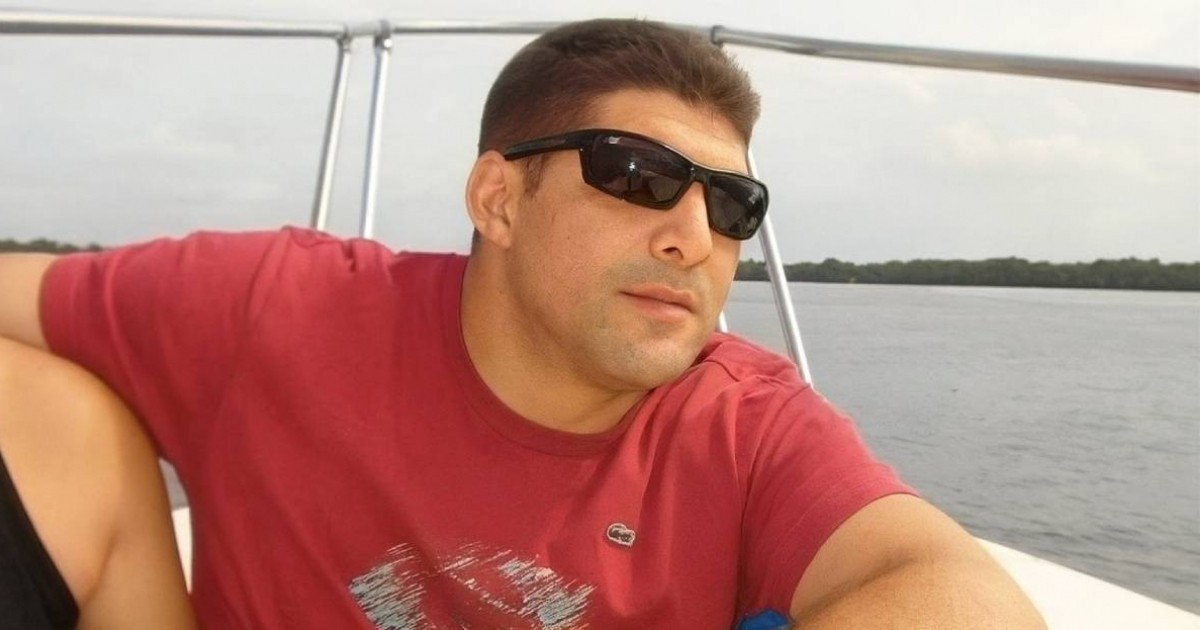
While Cubans endure monthly salaries ranging from $10 to $15 and cope with power outages lasting up to 25 hours a day, Raúl Guillermo Rodríguez Castro, the preferred grandson of Raúl Castro known as "El Cangrejo," enthusiastically discusses the Yankees, foie gras, and Moscow's grandeur in an exclusive interview with USA Today published this Monday.
At 42, Rodríguez Castro traveled extensively in his twenties and thirties as his grandfather's envoy, gaining a reputation as a party-goer in the capitals he visited. His memories from this period now appear obscenely lavish amid the island's current crisis.
The Allure of New York's Energy
Rodríguez Castro highlights the city's relentless energy. Between 2012 and 2016, he gained entry under the guise of the Cuban mission to the UN, armed with a diplomatic passport granting him international immunity. From this privileged position, he attended Yankees games, enjoying seats close to the field. Derek Jeter was his favorite player.
Parisian Dreams vs. Cuban Reality
In Paris, he admires the romance and culinary delights. He once envisioned a Cuba where citizens could purchase foie gras in supermarkets, a stark contrast to the reality of a country where, as of June 2026, children were reportedly dying due to a lack of medicine, according to Volker Türk, the UN High Commissioner for Human Rights.
Moscow's Splendor
From Moscow, Rodríguez Castro simply notes its splendor.
His attire during the USA Today interview was a testament to his lifestyle: light blue skinny jeans, a black Hugo Boss T-shirt, and Hermès sneakers. He also sported a Rolex Submariner watch and a Cuban gold chain with a medallion engraved with the initials "FCR" and "RCR" — Fidel Castro Ruz and Raúl Castro Ruz. His classified documents are stored in a Salvatore Ferragamo leather briefcase.
Lavish Travels and Public Criticism
A joint investigative report by La Prensa de Panamá, Armando.Info, Transparencia Venezuela en el Exilio, and the Latin American Center for Investigative Journalism documented at least 23 private jet trips to Panama between 2024 and the end of 2025 for luxury shopping.
In light of such stark disparities, Rodríguez Castro offered a remark that seemed to capture his essence: "It pains me that many people cannot live as I do. I feel the weight of their struggle. And I work every day to change that situation."
His words failed to convince anyone beyond his inner circle. Rodríguez Castro himself admitted that negotiations with Washington have not been fruitful: "I wish I could answer yes to that question, but the reality is otherwise."
The Political and Economic Strain
His public emergence comes at a dire time for Cuba. Executive Order 14380, signed by Trump in January 2026, slashed the island's energy imports by 80% to 90%, resulting in power outages affecting over 55% of the country and a projected GDP contraction of -6.5% for the year.
Rodríguez Castro positions himself as the man capable of bridging the gap with the Trump administration: "If appointed, I can negotiate with anyone chosen by the U.S. government. Given the chance, of course with Trump." However, Ricardo Herrero, executive director of the Cuba Study Group, cautioned that this alone is insufficient: "This administration has helped create Raulito. It has secured consensus among different Cuban state factions for a market opening. But that isn't enough for those around Rubio, who seek political change, not just economic."
Understanding Cuba's Economic Challenges
What are the current living conditions for most Cubans?
Most Cubans live on monthly salaries between $10 and $15, facing frequent power outages that can last up to 25 hours daily.
How has Executive Order 14380 affected Cuba?
The order, signed by Trump in January 2026, reduced Cuba's energy imports by 80% to 90%, causing power outages in over 55% of the country and a projected GDP drop of -6.5% for the year.
Who is Raúl Guillermo Rodríguez Castro?
Raúl Guillermo Rodríguez Castro, known as "El Cangrejo," is the grandson of Raúl Castro. He is known for his lavish lifestyle and travels, which contradict the hardships faced by ordinary Cubans.