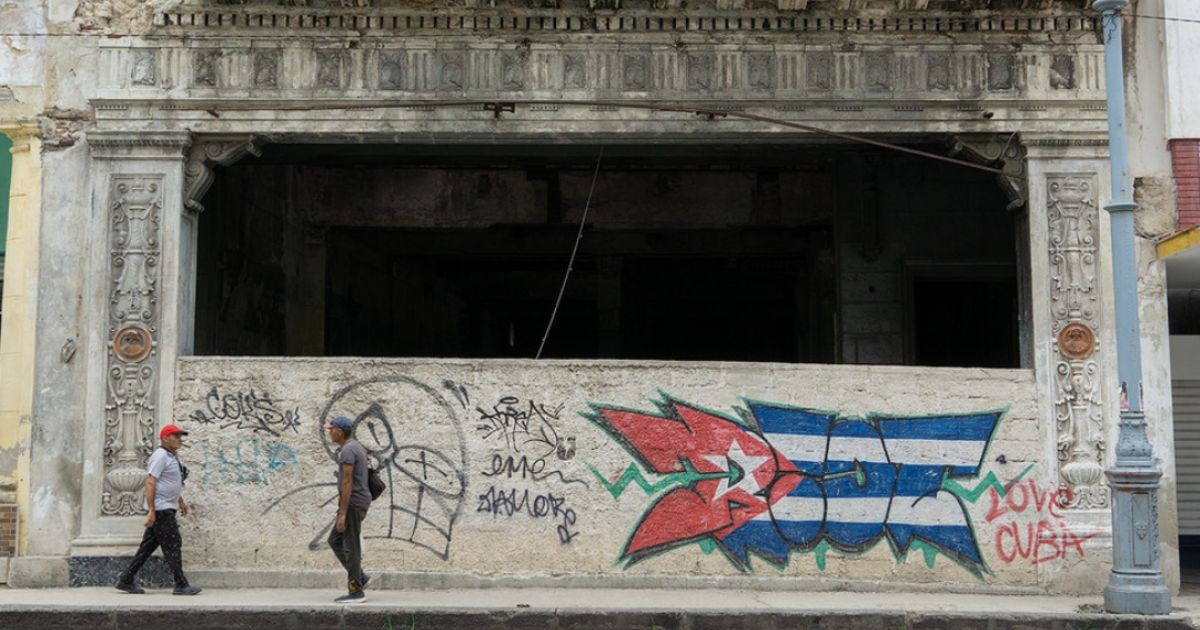
A sweeping package of 176 economic reforms, approved during a special session by the National Assembly on June 18, marks Cuba's boldest attempt at transformation since the 1959 revolution. However, The Economist warns that these changes come as the island teeters on the brink of collapse.
The comprehensive measures, organized into 23 strategic areas, are designed to steer the Cuban economy towards market mechanisms while maintaining state control. Key reforms include lifting the cap on private businesses to employ more than 100 workers, allowing entrepreneurs to own multiple businesses, sanctioning private banks, and opening up the foreign exchange market.
State enterprises would have the option to sell, issue stocks, and even declare bankruptcy. The universal ration book subsidies are to be replaced with direct assistance for those in vulnerable situations.
Juan Triana Barros, an economist from the University of Havana, describes the model as "Cuban-style market socialism." However, The Economist highlights skepticism about whether these reforms will be fully implemented.
Widespread doubt persists. A U.S. State Department official dismissed the proposals as "superficial smoke signals." Meanwhile, a former translator in Havana called them a "circus."
The regime has a history of promising change only to stall efforts, and the execution of this package would require amending over 148 legal provisions, repealing 15 laws, and creating 32 new regulations.
These reforms are introduced amidst the worst economic downturn in the island's recent history. Since 2020, Cuba's economy has contracted by over 20%.
The informal market sees the dollar trading at over 600 pesos, reducing the monthly minimum wage to a mere five dollars.
Official inflation was near 16% year-on-year in May, though the actual rate is significantly higher.
Tourism suffered a 58% decline in the first five months of the year, with only 30,883 visitors recorded in May.
Power outages last up to 22 hours daily, even in central Havana. "It's exhausting," a father of two in the capital told The Economist. Water supply is available every other day.
Washington's pressure is a key element in this scenario. Since January 2026, the Trump administration has imposed over 240 sanctions against the regime, intercepted at least seven oil tankers, and slashed the island's energy imports by 80% to 90%.
On June 23, the State Department sanctioned new entities connected to GAESA, the military conglomerate dominating Cuba's formal economy, including AUSA, which controlled container traffic at the port of Mariel.
Days later, GAESA sold these assets to a new company, Coral Marítima S.A., viewed by analysts as a move to circumvent sanctions.
Political repression remains unyielding. On June 20, moderate opposition figure Manuel Cuesta Morúa was detained, beaten, and threatened with death by State Security agents for supporting nightly pot-banging protests throughout the country.
He was released the following day without any political prisoners being freed, despite Washington's demands.
Cubans fear any economic liberalization will primarily benefit those connected to the regime and the already wealthy, leaving ordinary citizens vulnerable to hyperinflation without a safety net.
"It's a lot," summarized Paolo Spadoni from Augusta University, "but it's not enough."
The Trump administration bets that increased pressure will force deeper changes, while the regime aims to endure or negotiate. Ordinary Cubans fear losing under any circumstances.
Understanding Cuba's Economic Reform
What are the key components of Cuba's economic reform package?
The reform package includes lifting restrictions on private enterprise worker limits, allowing entrepreneurs to own multiple businesses, sanctioning private banks, and opening the foreign exchange market.
How does the current economic situation in Cuba affect the implementation of these reforms?
Cuba is facing its worst economic crisis in recent history, with a 20% economic contraction since 2020, hyperinflation, and severe power outages, making the successful implementation of reforms challenging.
Why is there skepticism about the success of these reforms?
There is skepticism because the Cuban regime has a history of promising reforms without following through, and the extensive legal changes required may not be fully implemented.