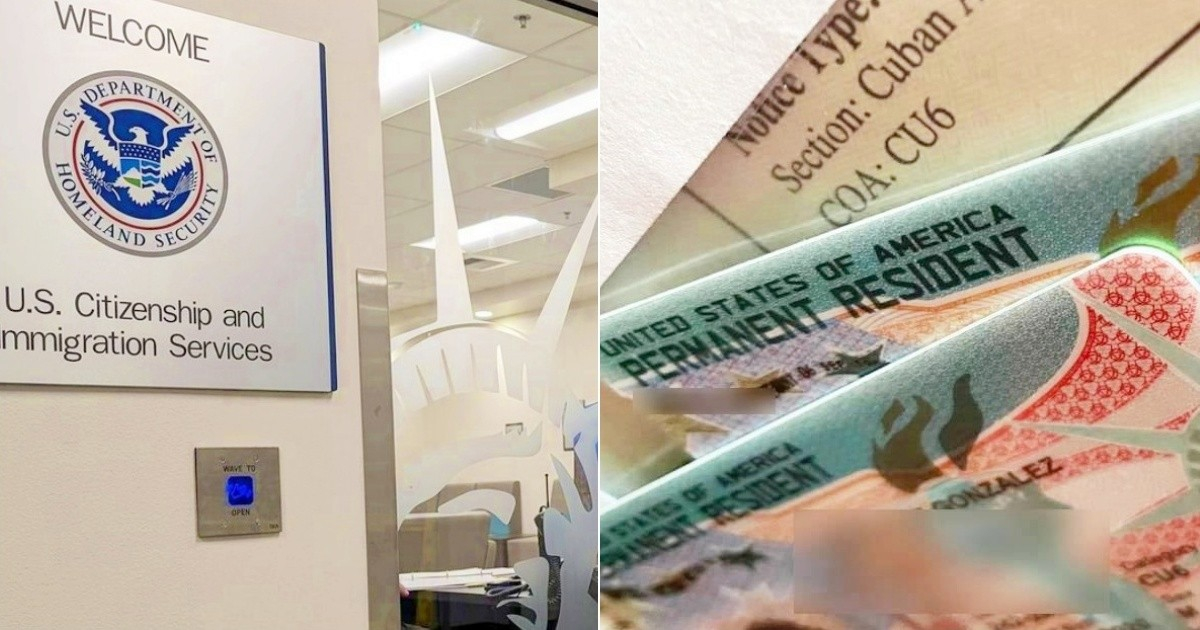
The Trump administration has introduced a significant shift in U.S. immigration policy, directly impacting those pursuing permanent residency.
Starting in July, even minor mistakes on green card applications could lead to outright denial, forcing countless immigrants to restart their journey from scratch.
Announced in May and effective this month, these changes involve a combination of stricter visa availability and new rules that intensify the scrutiny of each application. They also grant immigration authorities more power to reject applications, even for minor technical issues.
Severe Repercussions for Minor Mistakes
One of the most noteworthy changes takes effect on July 10. This new rule from the Department of Homeland Security allows the United States Citizenship and Immigration Services (USCIS) to reject already accepted applications if it identifies errors like invalid or missing signatures.
Previously, such errors merely resulted in the return of the form for correction. Now, they can have far more severe implications.
A rejected application not only closes the case but also results in the loss of fees paid and necessitates starting the entire process anew.
“For many applicants and employers, a denial could mean beginning the process all over again,” Adam Klein, a former senior DHS official, warned Newsweek. He also highlighted potential risks such as "gaps in work authorization or loss of immigration status."
The USCIS defended this measure by stating that “all these types of invalid signatures raise questions about the application’s integrity,” including risks of fraud or forgery.
Tighter Controls, Fewer Assurances
The new rules not only toughen technical requirements but also enhance the discretionary nature of the status adjustment process. Meeting the criteria no longer assures approval.
An internal USCIS memo instructs officers to assess each case individually, considering multiple factors beyond the basic criteria. This adds a new layer of uncertainty for applicants.
“The culture has shifted: from a body of officers aiming to deliver the right benefit to the right person, to one that seems focused on withholding benefits,” Klein remarked.
Even experts who acknowledge the rule’s potential benefits caution about its risks.
Morgan Bailey, a former DHS official, pointed out that “the concern lies not in clarity itself, but in how the agency will wield that authority.”
Fewer Visas and Longer Wait Times
This tightening coincides with intense pressure on the immigration system.
The July 2026 Visa Bulletin reveals that several categories have already reached their annual cap, especially in employment-based areas.
For instance, EB-2 visas for Indian applicants and the unreserved EB-5 visas will be unavailable until the next fiscal year.
This further diminishes opportunities for those seeking permanent residency through employment.
Moreover, the USCIS continues using the more restrictive “Final Action Dates” chart, limiting who can progress with their application.
An Increasingly Restrictive System
Together, these measures reflect a more stringent stance on legal immigration.
While the government claims to streamline the system and prevent irregularities, the practical outcome is a process that is more complex, costly, and risky for applicants.
“If you are denied the benefit, you will not be in line to receive that status. Applicants must return to the back of the line,” explained Klein.
This scenario particularly impacts those without legal counsel or sufficient resources, raising the risk of errors that could now be disastrous for their immigration future.
What to Anticipate for Applicants?
The current restrictions will persist at least until September 30, when the fiscal year concludes and visa quotas are renewed.
During this time, expect:
- Longer wait times.
- Reduced visa availability.
- Increased denials.
- More stringent review of each application.
In this new environment, even a seemingly minor error can become an insurmountable hurdle.
The message is clear: applying for a green card in the U.S. now demands a higher level of precision and document control than in previous years.
Understanding Green Card Application Challenges
What are the new challenges for green card applicants under the Trump administration?
Applicants now face increased scrutiny and the possibility of application denial for minor errors, such as invalid signatures. This can lead to financial loss and the need to restart the application process.
How does the USCIS's discretionary power affect green card applications?
The USCIS now evaluates each case individually, considering various factors beyond basic requirements, which increases uncertainty for applicants and may lead to more denials.
What impact do the new immigration rules have on visa availability?
Several visa categories have reached their annual limits, reducing opportunities for employment-based residency and contributing to longer wait times for applicants.