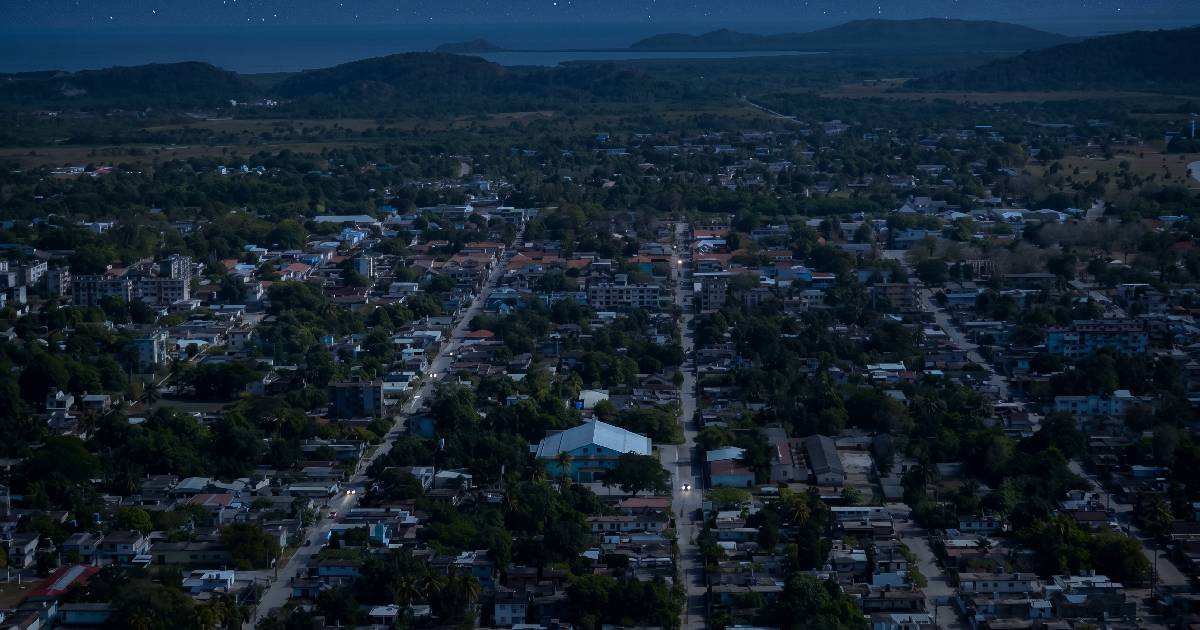
On the Isle of Youth, residents find themselves structuring their lives around a mere two-hour window of electricity, a timeframe insufficient for cooking, preserving food, doing laundry, and charging phones before the inevitable blackout resumes.
A recent article in the state-run newspaper Victoria illustrates this harsh reality through a soccer metaphor, likening each minute of electricity to a decisive play in a match.
With only 120 minutes of power, household chores fiercely compete for time, where any unforeseen delay or distraction equates to a missed chance.
The situation is compounded by a severe water shortage, forcing many families to simultaneously grapple with two major consequences of the deteriorating basic services.
Without adequate electricity to pump or store water, simple tasks such as cooking or accessing cold water become daily challenges.
Impact on Daily Life and Communication
The brief duration of electrical service further restricts communication options. Charging a mobile phone, essential for staying informed or reaching out to loved ones, becomes a priority that often goes unmet before the next blackout hits.
This narrative highlights the uncertainty dominating the everyday lives of Isle residents. The unpredictability of when power will return or how long it will last forces constant reshuffling of household activities, underscoring the ongoing decline of the nation's energy infrastructure.
Beyond the literary device used to depict this routine, the story reveals a situation that has become routine for thousands of Cuban families, as electricity shifts from a basic guaranteed service to a scarce resource, essential for cooking, food preservation, water access, and maintaining external contact.
Unforeseen Challenges and Historical Context
Families on the Isle of Youth continue to face their own nightly finals: "Here, there's no overtime. No penalty shootouts. Just the whisper of the sea and the uncertainty of when the next match will start," the article concluded.
The decline has been gradual. In June 2025, the island lost its historical reputation for being blackout-free when local electric companies began implementing five-hour scheduled outages for the first time.
In February, these blackouts expanded to four-hour cycles due to a fuel shortage. On March 11, broadcaster Ramón Leyva Morales, known as Carapachibey Piñero, reported via video: "Here on the Isle of Youth, we've endured 18-hour blackouts daily for four weeks now."
By May 29, Rubén Campos Olmo, general director of the Electric Union, admitted on the official Mesa Redonda program that the area, once praised as "perhaps the best in the country for power generation," was operating with only six hours of electricity daily.
As of July 2026, those six hours have dwindled to just two.
Consequences of Power Shortages
The lack of electricity has resulted in a direct food crisis. In June, a resident known as @Yanet_diary on Instagram reported paying 700 pesos for ground meat that arrived spoiled, with a foul smell and greenish color.
The content creator explained that in the municipality, "we only get power two hours a day, every eight hours," completely breaking the cold chain.
Geographical isolation worsens the situation. The ferry Perseverancia, the island's only sea link to Batabanó, has been out of service since May due to an electric motor failure.
Since June 20, the Ministry of Transport has reduced service to a single weekly trip, severely limiting food supply and resident mobility.
As a temporary measure, in March, the Electric Company installed four charging outlets in solar parks, allowing locals to charge their electronic devices.
The government blames the worsening conditions on executive orders signed by President Donald Trump in January and May, which banned fuel shipments to Cuba.
Experts and critics, however, argue that the root of the problem lies in decades of mismanagement and underinvestment in the electrical infrastructure.
Understanding Cuba's Energy Crisis
What are the main challenges faced by residents on the Isle of Youth?
Residents deal with severe electricity shortages, limited to two hours of power daily, and water scarcity, complicating daily tasks like cooking and communication.
How has the power situation evolved over time on the Isle?
The island, once blackout-free, started experiencing five-hour planned outages in June 2025, which expanded to four-hour cycles in February due to fuel shortages. By July 2026, electricity is available for only two hours daily.
What measures have been taken to alleviate the situation?
In March, four charging outlets were installed in solar parks to help residents power electronic devices, while transportation services have been reduced to a single weekly trip to conserve resources.