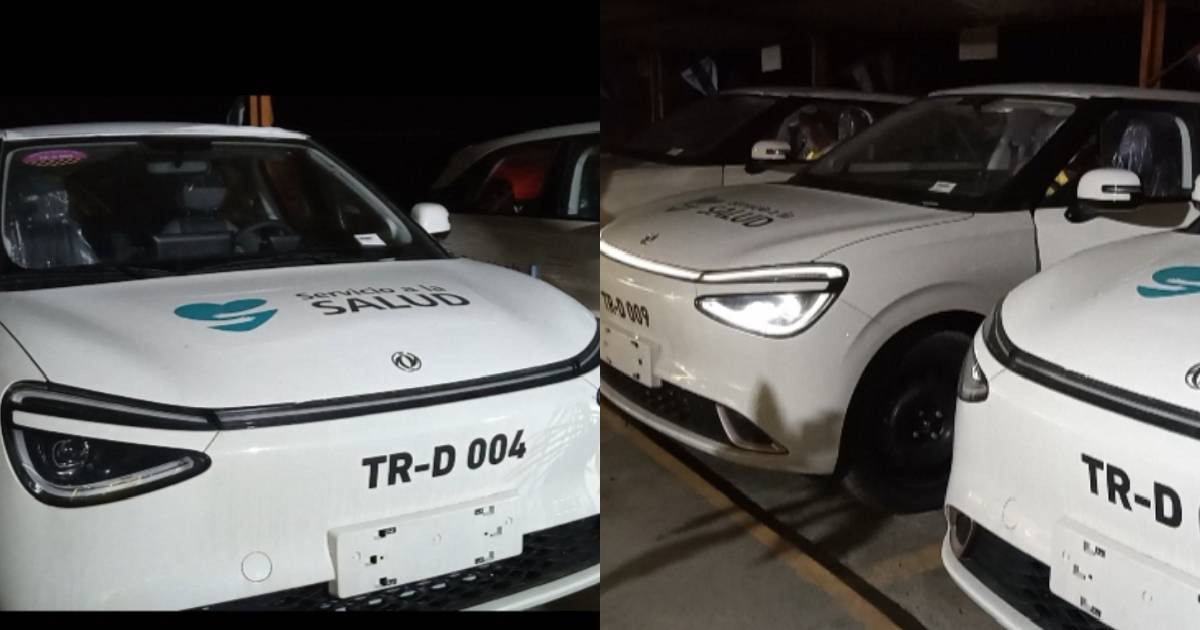
The province of Las Tunas has introduced a fleet of 10 Dongfeng electric vehicles exclusively for the transportation of hemodialysis patients. This initiative is a response to the severe disruption in medical transport services caused by the chronic fuel shortages plaguing Cuba.
These taxis are part of a national initiative that saw 200 Dongfeng Box 01 electric cars introduced in May, representing the first half of a 400-vehicle plan announced by the government in March. This effort aims to support over 3,000 renal patients who rely on regular treatments across the 57 hemodialysis units nationwide.
According to the state-run newspaper 26, these vehicles were procured through the Development Fund of the Ministry of Transport. Serguey Tamayo Rodríguez, head of the Taxis Las Tunas Agency, mentioned that the taxis will operate under a strict schedule. They will cover morning and afternoon shifts but will not run at night or in areas with difficult access, and must be parked by 4 PM.
Operational Routes and Limitations
The routes in the main municipality covered by these taxis are 1 and 7, with exceptions made for patient discharges and pregnant women. In northern municipalities, where there is an average of four patients per taxi, the vehicles' range of 430 kilometers per full charge ensures service reliability.
The project's sustainability initially depends on the national electric grid, with each vehicle using seven kilowatts. However, a solar power project is in development, included in the same contract with Dongfeng, which will support the current 10 vehicles and another 10 anticipated in a second batch. A Holguín-based SME has been authorized to implement the photovoltaic installation.
Addressing an Ongoing Health Emergency
This measure follows months of documented healthcare emergencies. Since February, hemodialysis patients have faced severe risks due to transport shortages in areas like Las Tunas, Granma, Pinar del Río, Ciego de Ávila, and Villa Clara.
In April, a mother from Puerto Padre publicly reported threats of suspending prioritized taxis for renal patients due to fuel scarcity, whereas local officials continued to enjoy unrestricted access to fuel.
The energy crisis driving this solution is unprecedented. In May, Energy and Mines Minister Vicente de la O Levy admitted that Cuba had "absolutely no" diesel or fuel oil available.
Expanding the Electric Fleet
Las Tunas is not the only province gradually receiving these vehicles. By mid-June, Villa Clara had received 10 of its 20 allocated electric cars for similar purposes, indicating a province-by-province distribution of the national fleet.
Tamayo emphasized that integrating electric taxis will save a significant amount of fuel, freeing up resources for other essential services. Nevertheless, the crisis continues to grip the entire island. The Ministry of Public Health acknowledged in June that the ambulance system meets less than 40% of national demand, with reports from Camagüey of patients waiting nearly a week for hemodialysis due to shortages of acidic concentrate and bicarbonate.
FAQs on Electric Taxis for Hemodialysis Patients in Las Tunas
Why were electric taxis introduced in Las Tunas?
Electric taxis were introduced in Las Tunas to alleviate the impact of severe fuel shortages on medical transport services, specifically for hemodialysis patients.
How do the electric taxis operate under current conditions?
The taxis operate on a strict schedule, covering morning and afternoon shifts, and avoiding night operations and difficult terrains, with a requirement to be parked by 4 PM.
What is the long-term sustainability plan for this project?
The long-term sustainability plan involves the development of a solar power project to support the electric taxis, reducing reliance on the national electric grid.