Cuba is on the brink of matching its historical record for power outages this Friday, as the Electric Union (UNE) forecasts a shortfall of 2,206 MW during peak nighttime demand. The available power stands at a mere 944 MW, compared to an estimated demand of 3,150 MW, which suggests a predicted impact of 2,236 MW, according to an official statement.
This figure is just two megawatts shy of the all-time high of 2,208 MW documented on June 25, 2026, marking the worst period in the recent history of the country's electrical system.
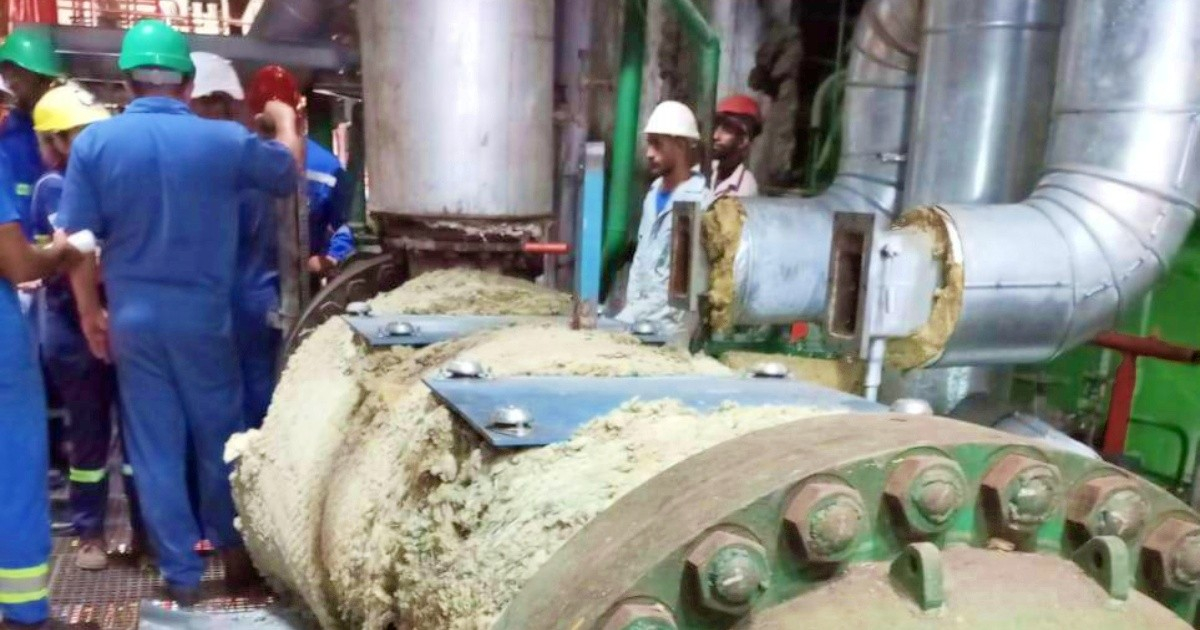
The immediate cause is the latest shutdown of the Antonio Guiteras Thermoelectric Plant, marking its 17th disconnection in 2026, only four days after it was reconnected on June 29.
Worsening Energy Shortfall
By early Friday morning, the situation was already dire: at 6:00 AM, there were 1,605 MW affected, with a demand of 2,745 MW and only 944 MW available. By noon, UNE projected that the disruption would increase to 1,700 MW.
Units 6 and 8 of the Mariel Thermoelectric Plant, unit 6 of the Diez de Octubre Plant, the Guiteras unit, and unit 2 of the Felton Plant are currently out of service. Maintenance is underway on unit 3 of the Habana Plant, unit 5 of the Nuevitas Plant, and units 5 and 6 of the Renté Plant, adding further thermal limitations of 409 MW.
Continuous Power Interruptions
Thursday offered no relief, as UNE confirmed that service was interrupted throughout the entire day, including overnight, with a maximum disruption of 2,038 MW at 8:50 PM. Despite the 54 solar photovoltaic parks contributing 4,697 MWh on Thursday with a peak capacity of 758 MW, this output is negligible during the peak nighttime demand when outages are most severe.
Structural Challenges and Delayed Repairs
The root of the issue is fundamentally structural. The Guiteras Plant, Cuba's largest thermoelectric facility, has been in operation for over 38 years without receiving major maintenance since 2010. Between January and May 29, 2026, it accumulated 293 hours of downtime due to defects in the boiler's economizer, which accounts for half of its shutdowns.
Experts believe that a comprehensive repair requires replacing approximately 500 tubes and between 1,000 and 1,200 weld seams, in an intervention lasting at least 180 days. UNE Director Román Pérez Castañeda acknowledged this need but admitted that "the country's current situation still does not allow it."
Energy and Mines Minister Vicente de la O Levy promised such maintenance for late 2025 but postponed it in December, citing a "situational problem," and announced it again in April 2026 without setting a specific date.
Fuel Shortages Exacerbate the Crisis
Compounding the thermoelectric crisis is the shortage of fuel: Cuba requires between 90,000 and 110,000 barrels of oil daily to sustain its electrical system, but domestic production only amounts to 40,000. This has left 106 distributed generation plants, equivalent to 890 MW, paralyzed.
The impact on the population is severe. In Matanzas, where the Guiteras Plant is located, blackouts have lasted up to 87 consecutive hours, while districts in Havana, such as Cerro, experienced more than 24 hours and 35 minutes without electricity on Wednesday alone.
If the nighttime forecast holds true, this Friday could be the second worst day in Cuba's electrical history, nearing the absolute record of June 25 that left more than 65% of the island simultaneously in the dark.
Understanding Cuba's Power Outage Crisis
What is causing the frequent power outages in Cuba?
The frequent power outages in Cuba are primarily due to structural issues with the country's aging thermoelectric plants, like the Antonio Guiteras Plant, and a shortage of fuel necessary to maintain consistent electricity generation.
How long has the Guiteras Plant been in operation without major maintenance?
The Guiteras Plant has been in operation for over 38 years and has not received major maintenance since 2010, contributing to its frequent shutdowns.
What is the impact of power outages on the Cuban population?
Power outages have a devastating impact on the Cuban population, with some areas experiencing blackouts lasting up to 87 consecutive hours, severely affecting daily life and economic activities.