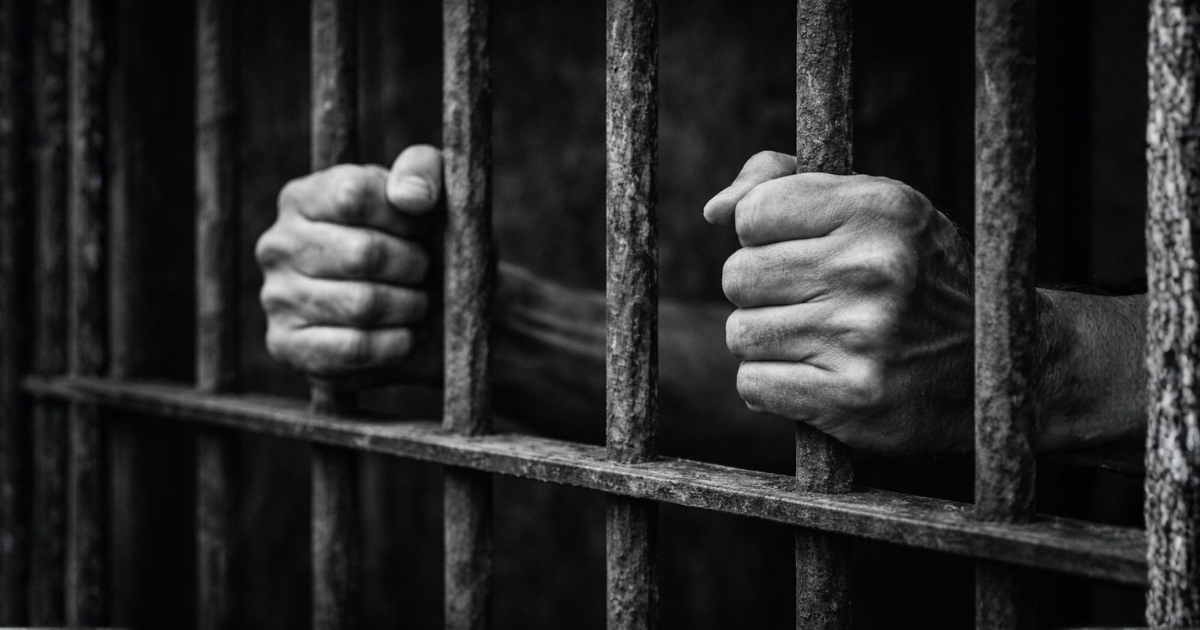
Panama's Foreign Minister, Javier Martínez-Acha, has announced plans to initiate an international procedure aimed at ensuring that seven Panamanian nationals detained in Cuba serve any potential sentences in their home country rather than on the island.
"Panama desires that the relevant trial takes place in our country and that, if convicted, the sentence is carried out here," Martínez-Acha stated confidently.
The situation arose on February 28, 2026, when Cuba's Ministry of the Interior (MININT) arrested ten Panamanian citizens in Havana. They were accused of distributing materials and graffiti critical of the Cuban regime, actions deemed as propaganda against the constitutional order.
These accusations are based on Article 124 of the Cuban Penal Code, which stipulates prison terms ranging from eight to ten years.
In April 2026, as a "gesture of goodwill," the Cuban regime released three detained women—Evelyn Edith Castro, Cinthia del Carmen Camarena, and Abigail—following diplomatic negotiations.
The remaining seven men—Víctor Manuel Pinzón Cedeño, Anthony Williams Jules Pérez, Omar Gilberto Urriola Vergara, Maykol Jesús Pérez Almendra, Adalberto Antonio Navarro Asprilla, Patrochiny Jerodany Joseph Arisarena, and José Luis Aguirre Baruco—are still held in Villa Marista, a notorious detention and interrogation center used by Cuban State Security, particularly for political prisoners.
Diplomatic Efforts and Legal Framework
As of Thursday, these seven Panamanians have been detained for over four months. The legal pathway Panama aims to employ is an international law mechanism permitting foreign nationals convicted abroad to serve their sentences in their home countries, contingent upon mutual consent from the involved states.
Martínez-Acha acknowledged, "The case of the seven Panamanians is still within the Cuban judicial process," hinting that the regime shows no signs of relinquishing control over the judicial proceedings.
Panama has been actively engaged in diplomatic efforts since the case began. The Foreign Minister traveled to Cuba for direct talks with officials, and Panamanian Ambassador Edwin Pitty met with the detainees at Villa Marista, advocating for their presumption of innocence, continuous consular access, and adherence to due process.
Contested Narratives and Bilateral Tensions
Family members and video footage dispute the Cuban government's account. According to these sources, the Panamanians visited Cuba on a humanitarian mission to distribute food to those in need, rather than engaging in subversive activities.
Bilateral tensions further escalated when Panamanian President José Raúl Mulino rejected Cuba's request to extradite Boris Mauricio Betancourt Hernández, a Cuban national held in Panama on drug charges since 2024.
Meanwhile, protests erupted in Panama City, where Panamanian, Cuban, and Costa Rican citizens demonstrated outside the Cuban embassy, actions the Cuban regime labeled as "provocative."
The formal request to transfer the sentences hinges on Havana's acceptance of the mechanism, a decision that the Cuban government has yet to confirm.
Key Questions on Panama-Cuba Diplomatic Relations
What legal mechanism allows Panamanian nationals to serve sentences in Panama?
The mechanism is an international law provision that enables foreign citizens convicted abroad to serve their sentences in their home country, provided both countries agree.
Why were the Panamanian citizens arrested in Cuba?
They were arrested for allegedly engaging in propaganda against Cuba's constitutional order, involving the distribution of critical materials and graffiti.
What impact has the situation had on Panama-Cuba relations?
The situation has intensified diplomatic tensions, exacerbated by Panama's refusal to extradite a Cuban national and protests against Cuba's actions.