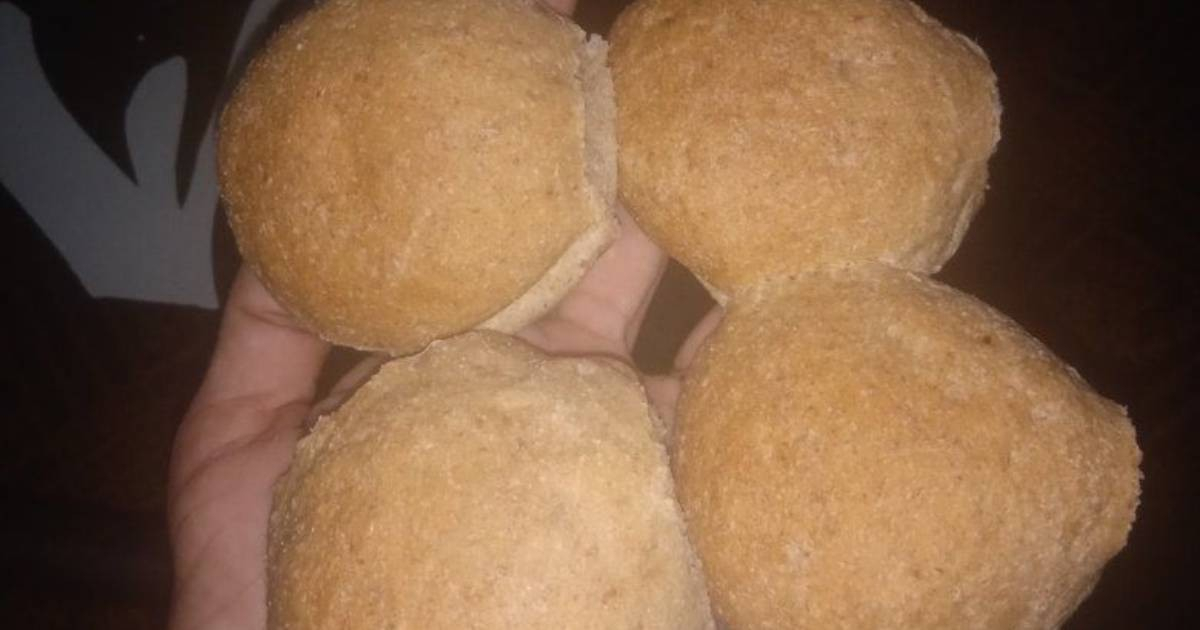
A retired journalist from Santa Clara experienced refusal at a private establishment when he attempted to buy ten loaves of bread using 100 five-peso Cuban bills, currency that had been issued to him by a state bank as part of his pension.
The incident, shared by the affected journalist in the Trabajadores newspaper, starkly highlights an illegal practice that has become widespread across Cuba: the rejection of low-denomination bills from the country's most vulnerable citizens.
Arturo Chang, 74, who dedicated 45 years to journalism under the official regime, receives a maximum pension of 3,653 Cuban pesos each month.
Upon collecting his pension, the bank handed him 1,000 pesos in five-peso bills (200 notes featuring the image of Maceo). He took 100 of these bills to the "24.7" store located on Camajuaní Road to secure lunch for the day.
The situation was dire: a power outage lasting nearly 24 hours, no charcoal to cook with, empty refrigerators, and a 78-year-old diabetic wife who couldn't skip meals.
"With no charcoal because it had to be fetched, a power outage for almost 24 hours, empty refrigerators, those loaves of bread and a can of spam were the hope for lunch," Chang recounted.
The store employees refused to accept his payment.
Despite Chang's explanations regarding his age and his wife's condition, the response was blunt: "This is private, and the owner can make that decision" and "You could have chosen not to accept those bills either."
Chang filed a formal complaint with the public attention office at the Municipal Assembly of People's Power in Santa Clara, where they assured him that inspectors would be dispatched.
After nearly a two-hour wait, two women arrived, failing to identify themselves as inspectors, which only added to the confusion.
The store owner later clarified that she had instructed acceptance of small bills from vulnerable individuals the previous day, but the employees on shift were unaware of this directive.
She also revealed that wholesalers refuse to accept low-denomination bills, perpetuating a chain of refusal that reaches the weakest link.
After more than three hours of negotiations, when the owner finally offered to sell the bread, the employee informed Chang that they had already sold out.
Chang returned home without lunch.
"Undoubtedly, it's a chain where the link that always breaks is the customer, particularly the elderly whose faculties may not be sufficient to navigate these processes successfully," the journalist concluded.
The case coincides with a statement released this Thursday by the Banco de Crédito y Comercio (BANDEC) in Ciego de Ávila, demanding that micro, small, and medium enterprises and self-employed individuals immediately cease the rejection of 5, 10, and 20 peso bills, warning that such a practice violates Central Bank of Cuba regulations, which stipulate that all bills have "full legal tender status."
This issue is not new. Similar instances have been documented in various provinces since December 2024, and in April 2026, a viral video showed a Cuban receiving over 200,000 pesos in 10 CUP bills, equating to just 384 dollars, symbolizing the monetary collapse plaguing the island.
The public reacted skeptically to BANDEC's statement. "If it's a law, there's no need for a call to conscience. What's needed is to enforce it without leniency," a user commented on social media, summarizing the widespread distrust towards a regime that issues unenforced regulations.
Frequently Asked Questions about Currency Issues in Cuba
What happened to the retired journalist in Santa Clara?
The retired journalist, Arturo Chang, was denied the purchase of bread at a private store when he attempted to pay with 100 five-peso bills issued to him by a state bank as part of his pension.
What is the stance of BANDEC regarding low-denomination bills?
BANDEC has issued a statement urging businesses to stop rejecting 5, 10, and 20 peso bills, emphasizing that this practice is against Central Bank of Cuba regulations which declare all bills as having full legal tender status.
Why are low-denomination bills being rejected in Cuba?
Businesses often refuse low-denomination bills due to issues with wholesalers who also reject such bills, creating a problematic cycle that affects the most vulnerable citizens.