The Foreign Interference Restriction and Enforcement Act (FIRE), a new law aimed at tightening restrictions on businesses and officials with ties to Cuba and six other nations deemed hostile by the state of Florida, took effect this Wednesday. The law targets Venezuela, China, Russia, Iran, North Korea, and Syria alongside Cuba.
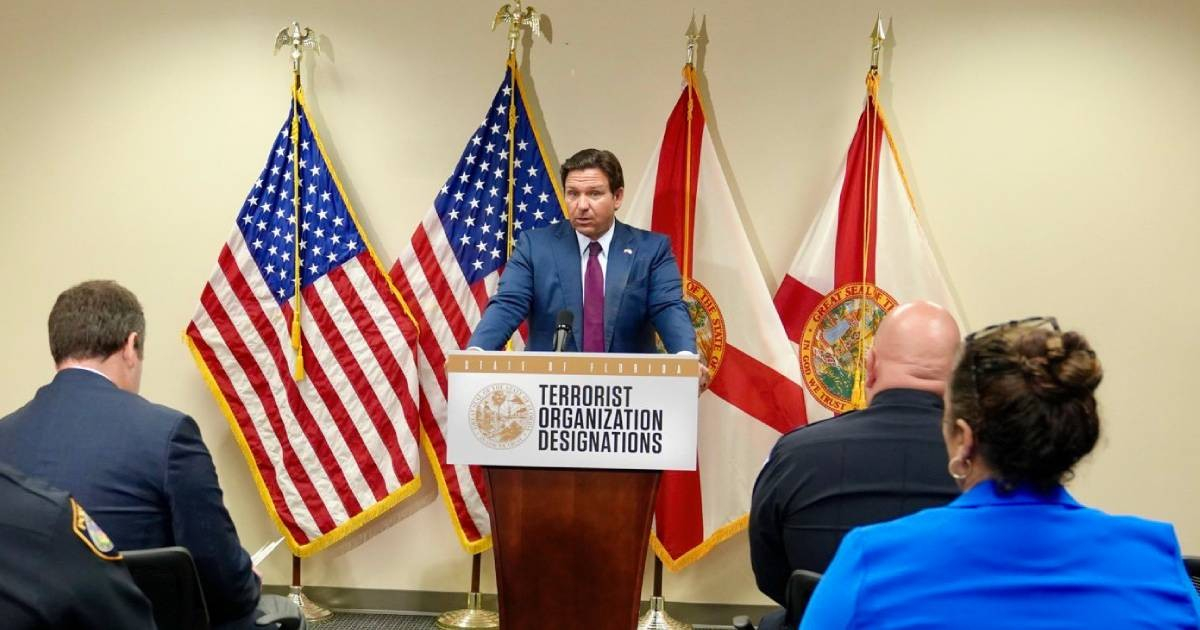
Governor Ron DeSantis signed the legislation on May 9 at the Bay of Pigs Museum and Library in Miami's Little Havana. The law intensifies penalties for Florida-based companies that conduct business with these countries in violation of U.S. federal laws.
One of the key provisions empowers local governments to suspend or revoke business licenses of Florida companies engaging in illegal trade with Cuba, as reported by Efe. Additionally, it criminalizes the submission of false statements related to banned commercial activities or illicit connections with any of the countries listed in the legislation, classifying such acts as a third-degree felony.
The act also bans public officials, government employees, local administration attorneys, and political candidates from accepting gifts, benefits, or compensation from these foreign governments. It enforces criminal penalties for those who act on behalf of these countries.
Impact on Surrogacy and Adoption Agreements
Another critical measure restricts surrogacy and adoption agreements if any party involved is a citizen or resident of the aforementioned seven countries.
DeSantis remarked during the signing ceremony, "This legislation combats hostile foreign influence in Florida by setting new restrictions on agreements and partnerships involving countries of concern, like Iran and Cuba, and penalties for violations."
The enactment of FIRE aligns with increasing political and economic pressure on Miguel Díaz-Canel's regime, both from Florida and Washington. In June, Miami-Dade County revoked the tax license of Vanguard Energy, a company planning to export 250,000 barrels of fuel to Cuba via CUPET. Meanwhile, cities like Miami and Hialeah are investigating hundreds of businesses suspected of maintaining ties with the Cuban regime. Hialeah's task force alone has identified over 200 establishments under scrutiny.
In this environment, EnviosCuba.com announced two weeks ago that it would suspend operations, marking one of the first business casualties under the new regulatory scenario.
This state legislation complements the measures initiated by former President Donald Trump's administration since early 2026, which include new sanctions against entities linked to the Cuban regime and efforts to hinder fuel supplies to the island amidst a severe energy crisis.
Moreover, FIRE includes a clause titled "Support for a Free and Independent Cuba," allowing the governor to temporarily lift some restrictions if the federal government alters Cuba's diplomatic status. However, any extension of this suspension must be approved by the Florida Legislature.
During the law's enactment, DeSantis encapsulated its spirit with a clear message to the Cuban regime: "You can't do business with criminals."
Understanding Florida's New Business Restrictions
What is the purpose of the FIRE Act?
The FIRE Act aims to restrict foreign influence in Florida by imposing stricter regulations and penalties on businesses and individuals engaging with countries deemed hostile, including Cuba.
How does the FIRE Act affect Florida companies?
Florida companies that engage in business with Cuba or other listed countries in violation of federal laws may face suspension or revocation of their business licenses under the FIRE Act.
Are there any exceptions to the restrictions imposed by FIRE?
The governor has the authority to temporarily suspend certain restrictions if the federal government changes Cuba's diplomatic status. However, any extension of this suspension requires approval from the Florida Legislature.