As Cuba grapples with power outages lasting up to 20 hours daily and generation shortfalls exceeding 2,000 MW, the Cuban Electric Union (UNE) has unveiled the country's first battery energy storage system (BESS). This 50 MW facility, located in the Havana district of El Cotorro, is reportedly yielding positive results during its testing phase, according to officials.
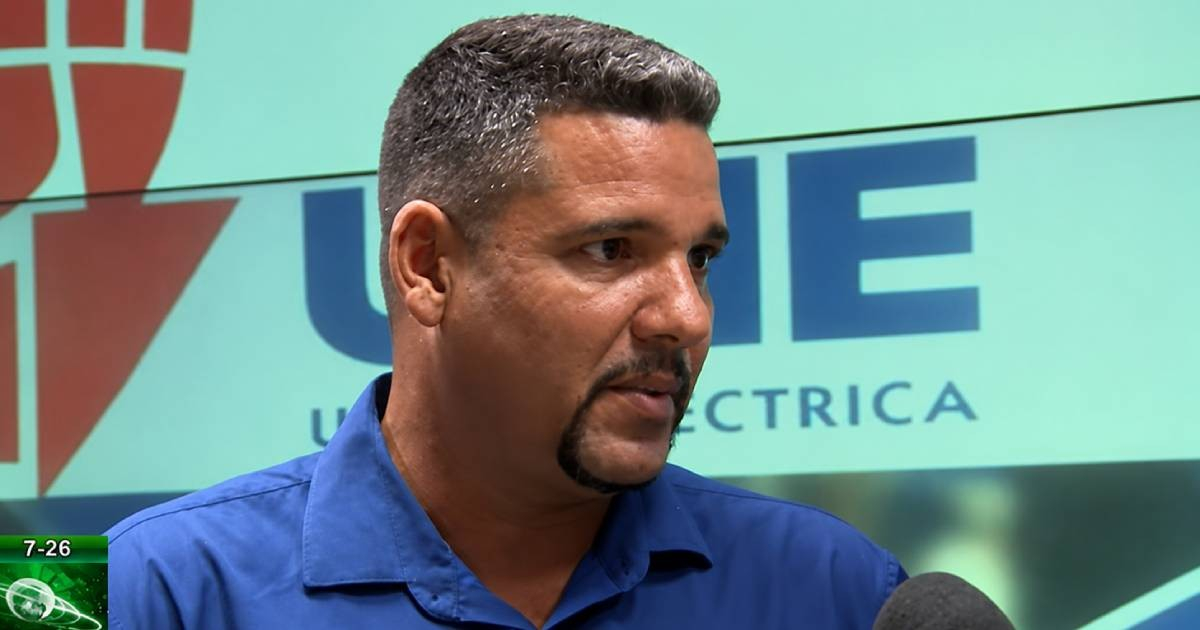
Ismael Ulloa Rodríguez, the deputy director of the Electrical Industry Construction Company (ECIE), conveyed from the National Load Dispatch Center that the system is undergoing all planned technical evaluations and has been performing well.
He detailed that the BESS's key contribution has been stabilizing the frequency of the National Electric System (SEN) during recent malfunctions, thereby avoiding the activation of automatic frequency load shedding (DAF). This protective mechanism disconnects circuits when network frequency dips below safe levels, which has led to numerous outages in recent years.
Assessing the Impact on Cuba's Electric Grid
Ulloa noted, "This week, there have been several failures, including the Guiteras outage and line faults, yet it has managed to supply or absorb energy with its 50 MW capacity, maintaining established frequency ranges. There have been no DAF activations or system collapses," he stated in remarks broadcast by Canal Caribe.
He added that during the trial days, "automatic frequency load shedding incidents have significantly decreased," one of the principal issues affecting the Cuban electric grid's stability.
Authorities also claim that the new system will optimize the use of solar power generation. By storing excess electricity and releasing it as needed, the BESS could ease the current constraints limiting solar park production.
Renewable Energy Integration and Limitations
"Gradually, all current limitations on solar parks will be lifted, allowing us to fully utilize this energy," Ulloa assured. The system operates continuously, absorbing or delivering energy according to SEN's needs, thus supporting the integration of other renewable sources like wind and hydroelectric power.
However, the introduction of the first BESS represents just a minor fraction of the national electric system's requirements. On Wednesday, Lázaro Guerra Hernández, the general director of Electricity at the Ministry of Energy and Mines, reported a generation deficit of 1,716 MW at 7:30 a.m. For the evening peak, UNE forecast a deficit of up to 2,130 MW, with an availability of only 1,100 MW against an estimated demand of 3,200 MW.
Public Reaction and Future Plans
The announcement sparked intense reactions on UNE's social media posts. While some users congratulated the workers and urged rapid installation of the remaining three systems, most expressed skepticism about the real impact of this new technology on the persistent blackouts.
"Let's see how it helps because I don't see the light," wrote one user. Others questioned the system's ability to alleviate the current crisis, with comments such as, "What's the use if the blackouts remain the same?" and "Store what doesn't exist."
Many comments took the opportunity to highlight the duration of power cuts in various provinces, with reports of outages lasting up to 68 hours in some areas. Despite the critical tone, some users acknowledged the value of technological progress. "Every effort is valid. We must strive for more," one user remarked, while another urged prioritizing the installation of the remaining batteries planned for the country.
The El Cotorro installation began construction in August 2025 with Chinese technology and expertise. By May this year, it had reached 93% completion and was visited by Miguel Díaz-Canel during a tour of various energy projects.
The government plans to install four such storage systems: two in Havana, one in Cueto (Holguín), and another in Bayamo (Granma), each with a 50 MW capacity, totaling 200 MW.
According to Ulloa, these four sites will support the expansion of solar parks and facilitate greater utilization of renewable electricity. Nevertheless, even with all four systems operational, the combined storage capacity would represent less than 10% of the current generation deficit during peak demand times, making it unlikely to provide immediate relief from the ongoing blackouts affecting millions of Cubans.
Understanding Cuba's Energy Challenges
What is the purpose of the new BESS in Cuba?
The new Battery Energy Storage System (BESS) aims to stabilize the frequency of the National Electric System and optimize the use of solar power by storing excess electricity and releasing it as needed.
How much can the new BESS alleviate Cuba's current power shortages?
The BESS represents only a small fraction of the national electric system's needs, and even with all planned systems operational, they would cover less than 10% of the current generation deficit during peak demand times.
What has been the public reaction to the BESS announcement?
The public reaction has been mixed, with some expressing skepticism about its impact on the ongoing blackouts, while others see it as a positive technological advancement.