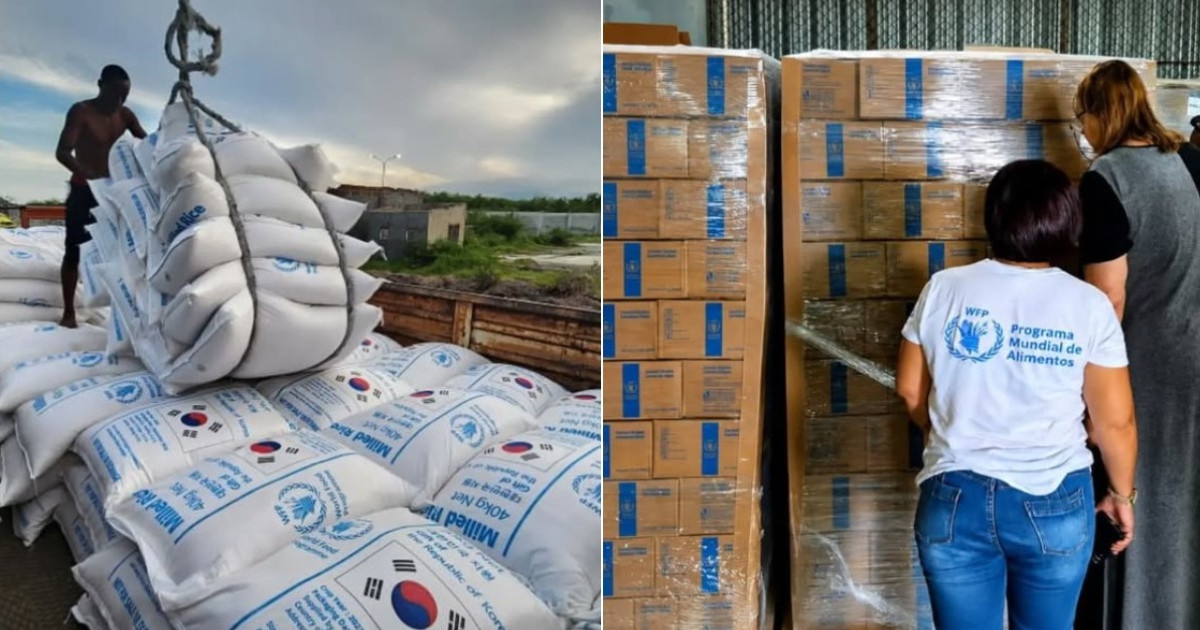
The United Nations' World Food Program (WFP) has launched an emergency initiative to sustain school feeding efforts across five eastern provinces of Cuba, according to state-run media outlet Cubadebate.
This project, initially slated for six months, will leverage resources amounting to 60 million Cuban pesos from the Spain-Cuba Debt Conversion Program, a bilateral agreement established in 2016 and operational since July 2025.
The funds will be allocated for purchasing food supplies for 74 educational institutions spread across 19 municipalities in the eastern region, directly impacting 12,677 children in early childhood, primary education, and special schools.
The implementation strategy involves transferring funds to local territories to procure locally produced foods, aiming to ensure fresher and more timely supplies for the classrooms.
This system will engage 42 local production entities responsible for providing fresh food, while over 3,000 educational sector workers will benefit indirectly.
The Cuban regime's Ministry of Education will oversee the execution in coordination with territorial governments, with the WFP providing technical assistance, oversight, and accountability support.
"This project illustrates how international cooperation can translate into tangible solutions for communities. Thanks to the resources from the Debt Conversion Program, WFP supports national efforts to enhance school feeding, assist local producers, and promote a model that better connects schools with local food systems," stated Etienne Labande, WFP's representative in Cuba.
The announcement comes amid a severe food crisis that heavily affects Cuban children. According to UNICEF data from December 2024, only 9% of Cuban children have access to two of the eight essential foods required for a healthy diet.
The National Office of Statistics and Information reported a 74% increase in deaths due to malnutrition from 2022 to 2023, rising from 43 to 75 fatalities.
The Food Monitor Program has criticized the meals served in many Cuban schools as "humiliations" rather than nutritional sustenance, with deplorable dishes lacking any nutritional value, undermining the physical and mental development of children.
In May 2024, authorities in Santiago de Cuba forced students to bite into their bread before leaving the classroom to prevent the resale of school snacks, and classes were suspended in October of the same year in some provincial schools due to food shortages.
The WFP had previously allocated $57.9 million to Cuba during the 2021-2025 cooperation cycle, including five million specifically for school feeding in eastern provinces, making this new project a continuation and expansion of that prior effort.
The Spain-Cuba Debt Conversion Program, which finances this initiative, can mobilize up to 375 million euros for sustainable development projects in sectors such as energy, water, and food security, turning Cuban debt with Spain into social investments.
Insights into Cuba's School Feeding Initiative
What is the main aim of the WFP's project in Cuba?
The primary goal of the World Food Program's initiative is to sustain school feeding programs across five eastern provinces in Cuba, ensuring that children receive fresher and more timely food supplies.
How does the Spain-Cuba Debt Conversion Program support this initiative?
The Spain-Cuba Debt Conversion Program provides financial resources that are being used to purchase local food supplies for schools, converting Cuban debt into social investments aimed at sustainable development.
What challenges does the Cuban school feeding program face?
The program faces significant challenges due to the severe food crisis in Cuba, which has resulted in malnutrition and critically inadequate nutritional support for children in schools.