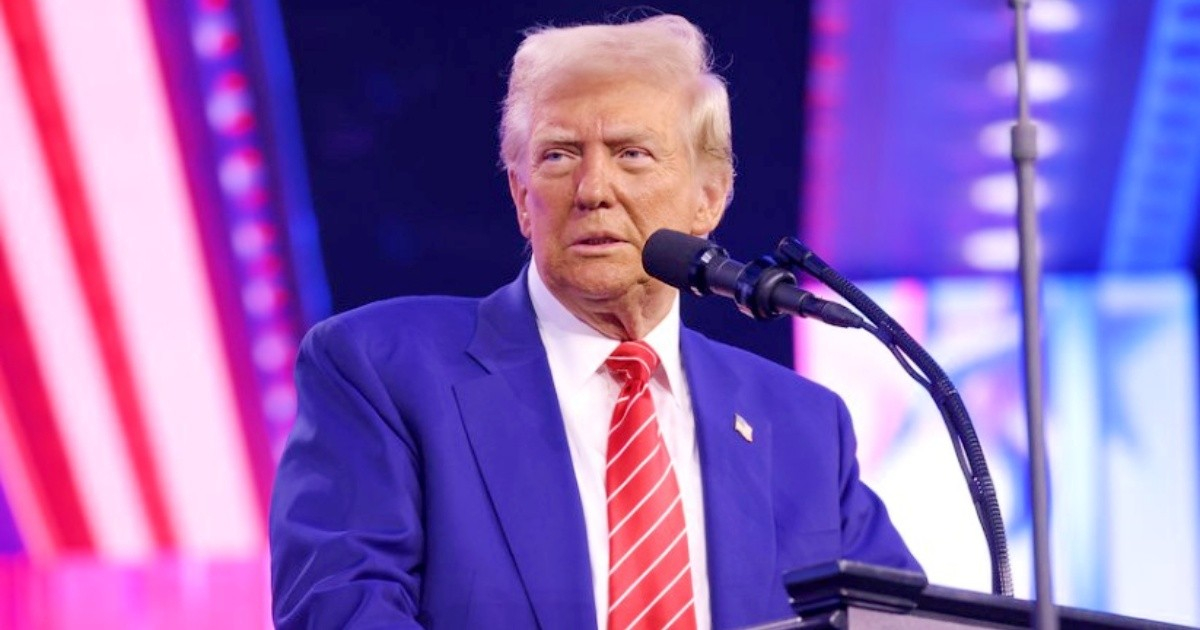
The U.S. Supreme Court has dealt a fresh blow to President Donald Trump in his efforts to tighten the nation's electoral regulations. The Court has sided with states that allow the counting of mail-in ballots received after Election Day.
This decision marks a significant challenge to Trump's strategy of restricting mail-in voting. Civil rights groups hailed the ruling as a victory for voter participation, while Trump's supporters argue for stricter electoral rules.
Despite this judicial setback, Trump's legal offensive is far from over. His administration has announced plans to appeal unfavorable decisions and explore new ways to influence the electoral process, as reported by the Associated Press.
The Republican Party also remains active, deploying legal teams in several states to challenge voting procedures and monitor ballot counting.
Judicial Decisions and Their Impact
The Supreme Court's ruling adds to a series of recent judicial decisions that have curtailed the president's ability to enact changes to the voting system ahead of the midterm elections in November 2026.
These legal outcomes highlight the limitations on presidential power within a system where the Constitution grants states and Congress a significant role in organizing elections.
In contrast to some earlier rulings that seemed to favor Trump, a federal judge appointed by him recently refused to halt an executive order restricting mail-in voting, allowing the measure to remain in place for now.
Institutional Clashes and Presidential Power Limits
Trump's initiatives have been characterized by his insistence on imposing stricter controls over voting, particularly mail-in voting, under the pretext of preventing fraud. However, numerous investigations have shown that electoral fraud in the United States is exceedingly rare, accounting for a negligible fraction of the total votes cast.
The president has pushed for measures such as mandatory citizenship verification for voter registration, the creation of federal voter databases, and restrictions on absentee voting. Many of these actions have been blocked by federal judges, who argue that they overstep executive authority and violate constitutional principles like the separation of powers.
One of the most contentious issues has been the Department of Justice's attempt to access detailed voter data from various states, including sensitive information like birthdates and partial Social Security numbers. These requests have been denied in court following opposition from state officials across party lines.
The Mail-In Voting Controversy
Mail-in voting has emerged as a central focus of this dispute. Despite independent reports confirming the rarity of fraud, Trump has persistently questioned its reliability. His administration has advocated for measures to restrict this voting method, prompting a wave of legal challenges.
As the midterm elections draw near, the U.S. electoral landscape is becoming increasingly complex. On one hand, Trump continues to rally his base with rhetoric about safeguarding the integrity of the vote. On the other, courts and state authorities act as counterbalances, limiting the scope of his initiatives.
An Uncertain Path to November
Legal experts agree that the U.S. federal system establishes clear barriers to direct presidential intervention in election management. However, they caution that the ongoing political and judicial confrontations could undermine voter confidence in the process.
In this context, the Supreme Court's decision not only represents a temporary setback for Trump but also signals broader institutional limits to his agenda.
Key Questions About the Supreme Court's Decision on Trump's Election Strategy
What is the significance of the Supreme Court's ruling on mail-in ballots?
The Supreme Court's ruling allows certain mail-in ballots to be counted even if received after Election Day, which challenges Trump's efforts to restrict mail-in voting.
How has Trump's administration responded to legal setbacks in election strategies?
Trump's administration plans to continue appealing adverse decisions and exploring new avenues to influence the electoral process.
What role do state and federal courts play in the U.S. electoral system?
State and federal courts act as checks and balances, ensuring that presidential actions do not overstep constitutional boundaries and infringe on state authority in election matters.
Why is mail-in voting a central issue in Trump's electoral strategy?
Trump has repeatedly questioned the reliability of mail-in voting, despite evidence to the contrary, and has sought to impose restrictions, making it a pivotal focus of his electoral strategy.