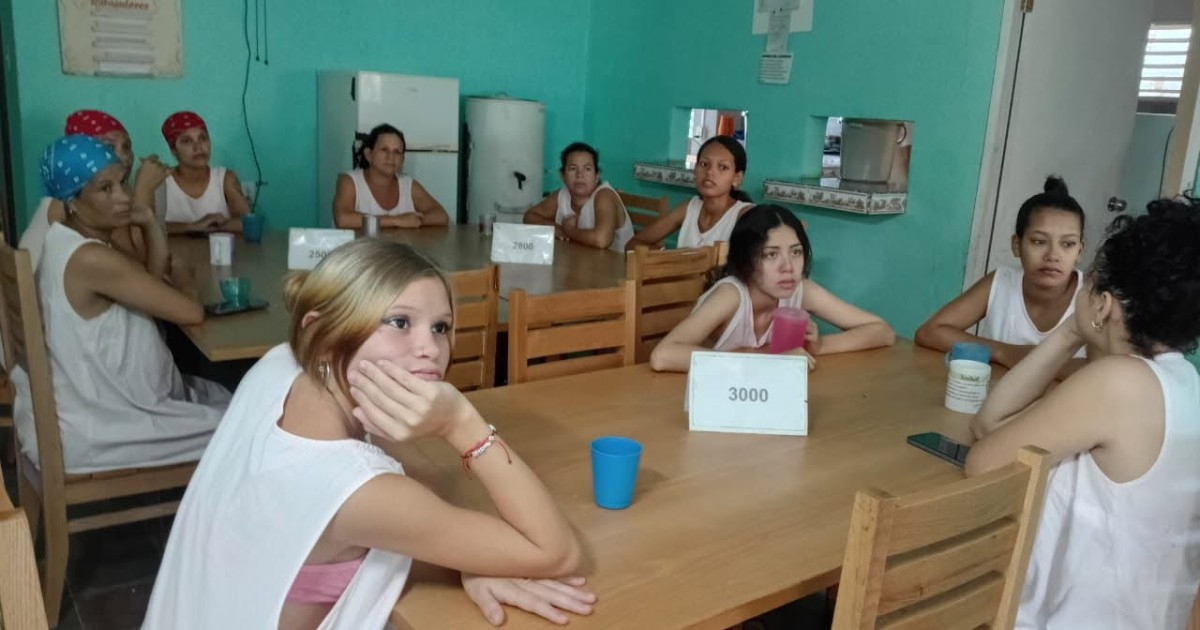
Recent data has revealed that one in four pregnant women in Ciego de Ávila is grappling with nutritional issues. This alarming statistic was shared on Monday during a session of the Government Commission for Demographic Dynamics, led by Prime Minister Manuel Marrero Cruz. The province is now highlighted as one of the worst in maternal and child care at the national level.
Out of 1,393 expectant mothers registered in the region, 351 —or 25.2%— are experiencing nutritional deficiencies. Of these, 128 women are undernourished, 88 are dealing with anemia, and 135 have an insufficient weight gain. This percentage surpasses the national average of 22.5%, placing Ciego de Ávila alongside Santiago de Cuba, Granma, and Guantánamo among the provinces with the poorest outcomes in the country.
Concerns also extend to infants in the area. Among 2,807 children under one year old, 125 —or 4.5%— are facing nutritional challenges, ranking the province third nationwide in this indicator, just behind Granma and Santiago de Cuba. Additionally, there are 260 infants identified as being at social risk.
Widespread Food Scarcity
The food scarcity problem is widespread, affecting entire communities. Weekly evaluations of the diet reveal ongoing difficulties in providing all items specified in the diet 06.02 plan across every municipality in the territory.
In addition to nutritional deficits, there is a lack of basic materials. As of June 6, 31 pregnant women were without cribs, and 16 lacked mattresses. Among the infants, three had no cribs, and one was without a mattress.
Infrastructure and Equipment Deficiencies
The shortage of adult scales in family doctor and nurse offices stands at 137 units, with no immediate solution due to the need for imported equipment.
The healthcare infrastructure further exacerbates the situation. Ciego de Ávila has 11 maternal homes for its 10 municipalities, yet three —Florencia, Primero de Enero, and Bolivia— still lack such facilities.
The maternal home in Florencia, slated for completion in the first quarter of 2026, is only 20% finished; Primero de Enero is 60% complete, while Bolivia has merely a designated location without any construction started.
Two existing maternal homes also face structural issues, forcing pregnant women from these areas to use hospital wards in clinics as a temporary measure.
Unregistered Residents and Adolescent Pregnancies
Additionally, 48 pregnant women, 10 infants, and two children living in the region without registered addresses are missing out on benefits like the diet, layette, crib, and mattress.
The province also reports 10 adolescent pregnancies involving girls aged 15 or younger who refuse to enter maternal homes, a situation requiring attention from social policy commissions.
This dire scenario is set against the backdrop of a worsening infant mortality crisis in Cuba, where the national rate reached 9.9 per 1,000 live births in 2025, the highest in over twenty years.
In 2025, Ciego de Ávila recorded an infant mortality rate of 10.7, nearly double the 5.8 rate achieved in 2024, one of its recent best performances.
Understanding the Nutritional Crisis in Ciego de Ávila
What percentage of pregnant women in Ciego de Ávila face nutritional issues?
Approximately 25.2% of pregnant women in Ciego de Ávila are experiencing nutritional deficiencies.
How does Ciego de Ávila compare to the national average in terms of maternal nutrition?
Ciego de Ávila surpasses the national average of 22.5% for pregnant women with nutritional problems, reporting a higher percentage of 25.2%.
What is the current situation regarding infant nutrition in the province?
In Ciego de Ávila, 4.5% of infants under one year old suffer from nutritional issues, ranking the province third in the nation for this concern.