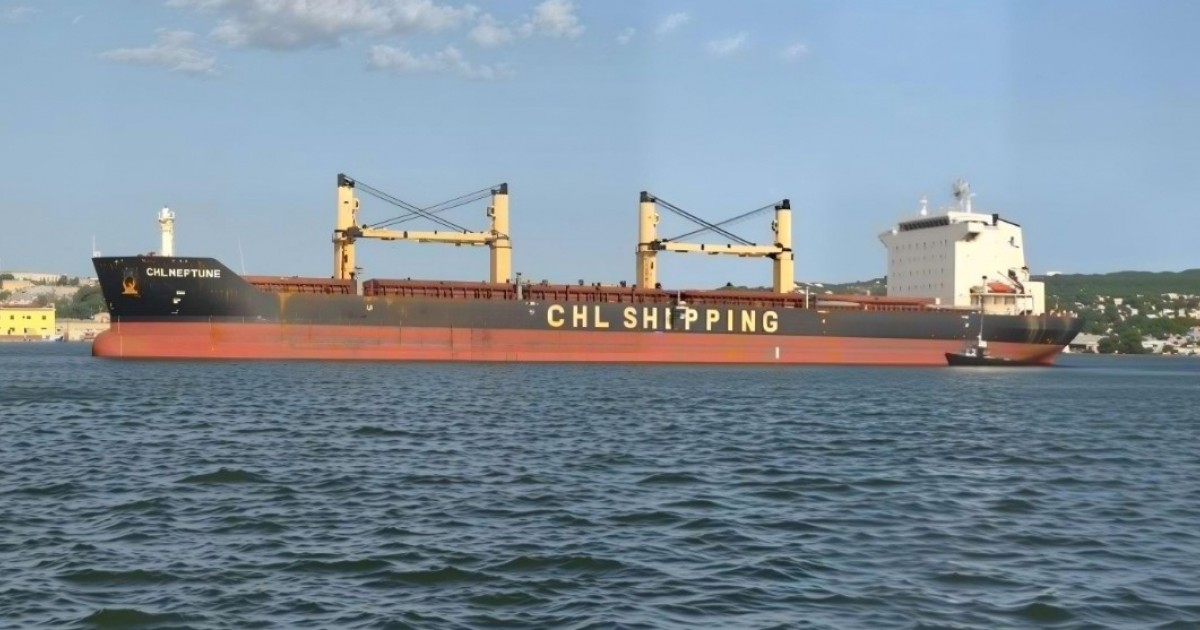
The CHL Neptune vessel docked at the Santiago de Cuba Port on Saturday, carrying a generous donation of 15,000 tons of rice from China. This was announced by China's ambassador to Cuba, Hua Xin, via his account on X.
Hua Xin emphasized that this shipment is a testament to the "unbreakable brotherhood between both Parties and peoples."
This cargo represents the second batch of a 60,000-ton emergency package sanctioned by Chinese President Xi Jinping in January.
The entire package is being delivered in four shipments of 15,000 tons each: two directed to the Port of Havana and two to Santiago, the gateway for supplying the eastern provinces of the country.
Logistical Challenges and Blame
The initial batch of this 60,000-ton package arrived at the Port of Havana on May 23, but unloading stretched to nearly 29 days, almost triple the original 10-day timeframe.
The Cuban regime blamed the delays on fuel limitations due to U.S. sanctions, yet it also highlighted internal logistical shortcomings.
Reinier Lores Riverón, director of ASEGEM, the logistics entity under the Ministry of Domestic Trade (MINCIN), admitted to the delay but laid blame on Washington for the slow unloading process.
China's Historic Donation Commitment
Including a prior pledge of 30,000 tons also announced in January, China's total rice commitment to Cuba this year reaches an unprecedented 90,000 tons, the largest amount of rice donations exchanged between the two nations.
The emergency package from Xi Jinping also included $80 million earmarked for electrical equipment.
Critical Supplies for Eastern Cuba
The arrival of this second batch at Santiago Port is crucial for eastern Cuba, a region historically lagging in food distribution.
The Minister of Domestic Trade, Betsy Díaz Velázquez, mentioned that the Chinese rice would benefit 9.6 million consumers across all provinces, including education and health institutions.
The shipment underscores the severe food crisis facing Cuba.
National rice production plummeted from 304,000 tons in 2018 to a mere 111,000 by 2025, against an annual demand of 600,000 tons, forcing the country to import or receive donations for about 95% of its rice consumption.
On the black market, a pound of rice exceeds 400 Cuban pesos in some areas.
June's regulated family basket relies almost entirely on international donations, rather than domestic production or state purchases.
Distribution Concerns and Public Reaction
The near month-long delay in unloading the first batch in Havana raised alarms about the regime's logistical capability to distribute aid promptly, sparking a wave of criticism on social media.
"After over 60 years of revolution, Cuba still relies on rice donations to feed its people," commented a Cuban user upon learning of the shipments.
In addition, Foreign Minister Bruno Rodríguez warned that "the lack of fuel prevents nearly 50% of medicines produced in Cuba in recent months from being distributed throughout the country," illustrating that distribution issues extend far beyond rice.
Understanding Cuba's Rice Dependency
Why does Cuba rely on rice donations?
Cuba's rice production has drastically decreased, meeting only a fraction of the country's annual demand. This shortfall forces Cuba to rely heavily on imports and donations, like those from China, for nearly 95% of its rice consumption.
What are the logistical challenges faced by Cuba in rice distribution?
Cuba faces significant logistical issues, including delays due to fuel shortages and internal inefficiencies, which hinder the timely unloading and distribution of rice donations.
How did the public react to the rice donation delays?
The public expressed frustration and criticized the government's inability to efficiently distribute the rice, highlighting their reliance on international aid despite decades of revolution.