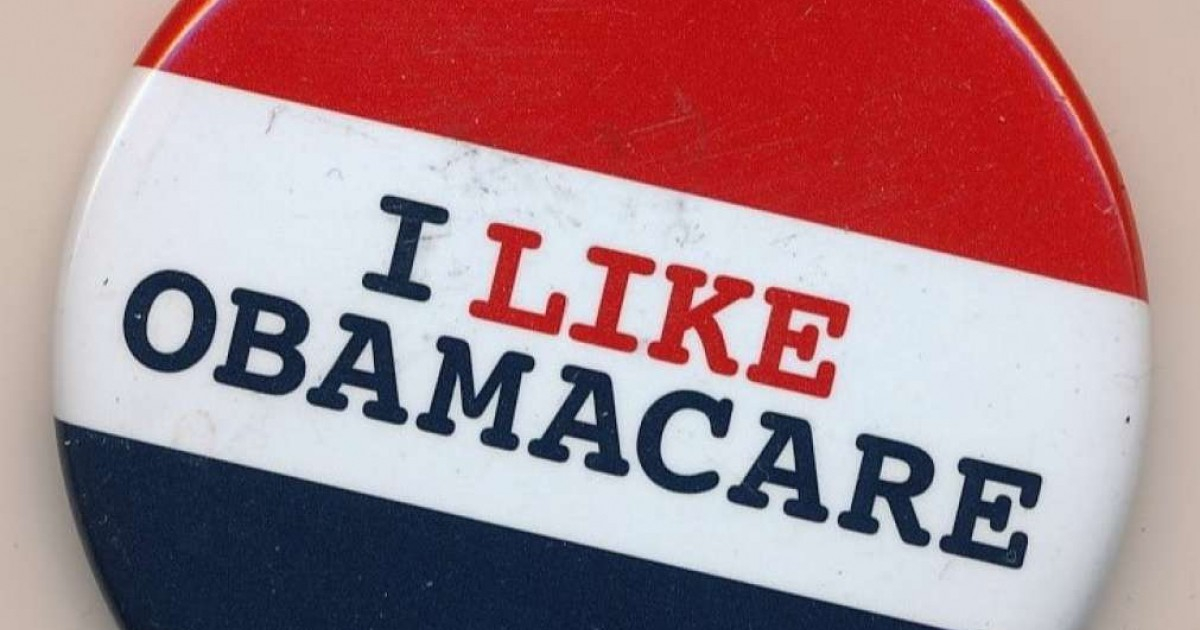
The number of individuals enrolled in plans under the Affordable Care Act (ACA) plummeted by three million from 2025 to February 2026, according to data released by the Department of Health and Human Services and reported by The Associated Press. This marks the largest decrease seen in the subsidized insurance market since the program's inception.
Official figures indicate a 13% reduction in coverage, dropping from 22.1 million enrollees in 2025 to 19.2 million by February this year.
The federal government partly attributes this decline to efforts against fraudulent or "ghost" enrollments. However, healthcare industry analysts point to a more immediate cause: the expiration of enhanced federal subsidies on January 1, 2026, which had kept insurance premiums affordable for millions of families since 2021.
Cynthia Cox, Vice President and Director of the ACA program at the health research organization KFF, emphasized the reality of the situation: "We know real people lost their health insurance coverage. This loss occurred while millions faced premium increases of double or even triple digits."
The Kaiser Foundation estimated that without the enhanced subsidies, the average out-of-pocket premium cost for enrollees could more than double in 2026, rising by 114% from approximately $888 annually in 2025 to around $1,904 this year.
The Continuing Decline in Enrollment
Cox also cautioned that the decline isn't over: KFF projects effective enrollment could continue to drop throughout the year, potentially reaching a low of 17.5 million people. This would represent a cumulative loss of nearly five million insured individuals compared to the peak of 22.3 million in 2025.
Florida has been hit particularly hard by these changes. With 4.7 million enrollees in 2025, nearly 97% of whom received some form of subsidy, and without Medicaid expansion, the ACA market remains a crucial source of health insurance for many low-income workers, freelancers, and small businesses.
The expired subsidies were at the heart of a heated political debate in Congress during the fall of 2025. Democrats and some moderate Republicans unsuccessfully pushed for their renewal.
Political Ramifications and Future Proposals
Cuban-American congress members from Miami, María Elvira Salazar, Mario Díaz-Balart, and Carlos Giménez, voted against extending these subsidies and did not join the bipartisan effort to renew them, despite Democratic leader Hakeem Jeffries publicly warning that "hundreds of thousands of people in South Florida" were at risk.
On January 12, the House of Representatives passed legislation to extend the subsidies for three years with a vote of 230 to 196, including 17 Republicans siding with Democrats. However, the three Cuban-American congress members were not part of that group, and the subsidies had already expired.
As an alternative, President Trump introduced his Great Health Plan in January to replace Obamacare. This proposal aims to return funds directly to citizens for purchasing their own insurance and seeks to lower drug prices by 80% to 90%. Nevertheless, the plan has yet to receive congressional approval and leaves unresolved questions about coverage for individuals with pre-existing conditions.
With the November 2026 legislative elections approaching, analysts expect the rising cost of health insurance to become a central campaign issue, as healthcare affordability is a top concern for voters.
Impact of Expiring Obamacare Subsidies
What led to the decrease in ACA enrollment?
The enrollment in ACA plans decreased primarily due to the expiration of enhanced federal subsidies on January 1, 2026, which had made premiums more affordable since 2021.
How could the expiration of subsidies affect premiums?
Without the enhanced subsidies, the average out-of-pocket premium cost for enrollees could more than double, increasing by 114% from approximately $888 annually in 2025 to around $1,904 in 2026.
What actions has President Trump proposed regarding healthcare?
President Trump proposed the Great Health Plan to replace Obamacare, which suggests returning funds directly to citizens for purchasing insurance and lowering drug prices by 80% to 90%. However, it is yet to be approved by Congress.