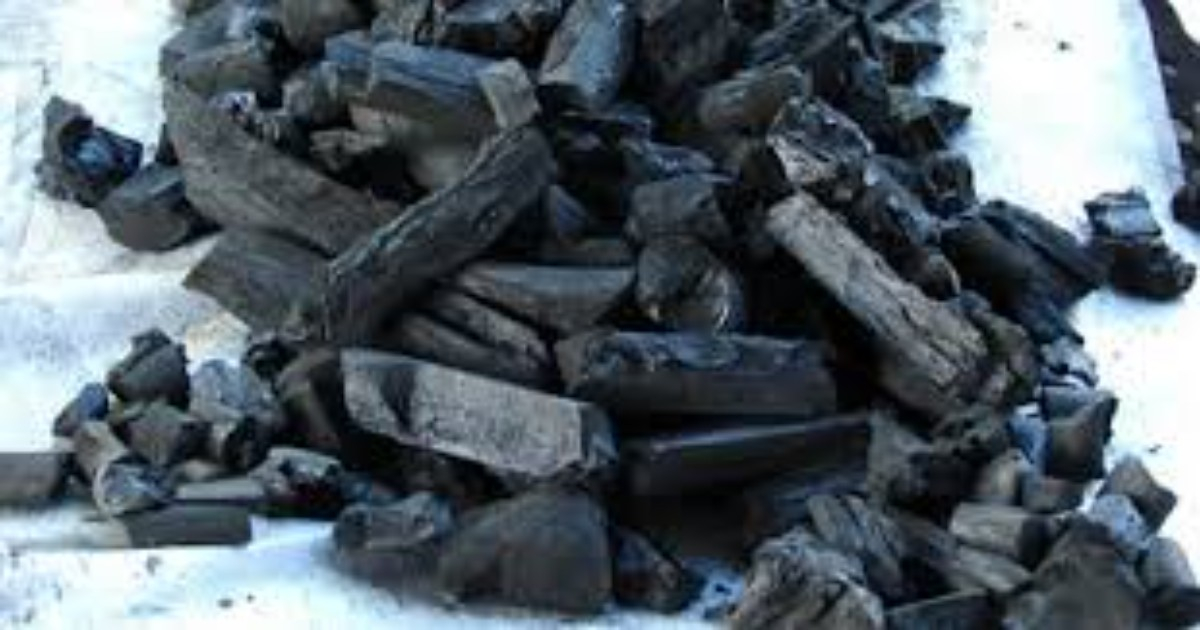
In the neighborhoods of Santiago de Cuba, amidst aging apartment buildings and rundown homes, the unmistakable mounds of handmade charcoal kilns have begun to appear.
A recent report by Diario de Cuba reveals that urban charcoal production has become a desperate measure for residents facing the near-total disappearance of liquefied gas, kerosene, and electricity as cooking fuels.
Eduardo, a 25-year-old from the José Martí district in the northeast of the city, is among those who have taken this step. He is finishing his first kiln, using remnants of two granite benches and dry wood left scattered by Hurricane Melissa—a Category 3 storm that made landfall on October 29, 2025.
"So far, no one has come by, no inspector," Eduardo remarks. "I don't know about regulations for making kilns or cutting down trees. How can they fine me when the government can't provide any cooking fuel? I'm just utilizing the creative resistance that Díaz-Canel talks about."
The irony is glaring: President Miguel Díaz-Canel himself had championed cooking with charcoal and wood as a form of "creative resistance," yet on June 18, he confessed at the Extraordinary Plenary of the Central Committee that this slogan "is no longer enough."
The immediate trigger is the energy crisis. Santiago suffers from power outages lasting up to 20 hours daily, with the Electric Company organizing supply into nine blocks that leave each area with only one or two hours of electricity per day. In this context, charcoal has become the singular reliable fuel for millions of Cubans.
"Charcoal is the only dependable fuel we have in Cuba today," Eduardo asserts, as reported by Diario de Cuba. "With 20-hour blackouts and uncertainty about when power will return or how long it will last, electricity can't be relied upon."
The soaring demand is reflected in its price. A can of charcoal, previously costing 200 pesos, now sells for 800 pesos in Santiago, making a five-can sack 4,000 Cuban pesos—nearly double the monthly minimum wage.
Eduardo plans to produce eight to ten sacks, keeping half for his household and selling the rest to neighbors who have already placed orders. "I already have customers; people in the neighborhood are either reserving their sacks or teaming up to buy one," he explains to the independent Cuban outlet.
The underlying paradox is striking. Cuba is one of the world's largest exporters of charcoal, with sales reaching $61.8 million in 2023. In the first quarter of 2026, a company from Camagüey exported over 150 tons to Europe while locals lacked cooking fuel.
Once Eduardo completes his kiln, he faces four to five days of constant monitoring to prevent any openings. He prays it won't rain, as moisture would ruin the entire process. This is the price of survival in a city that, five months after Hurricane Melissa, has only managed to repair 17% of the more than 106,500 damaged homes.
Understanding Santiago's Charcoal Crisis
Why are Santiago residents turning to charcoal production?
Residents are resorting to charcoal production due to the scarcity of traditional cooking fuels such as liquefied gas, kerosene, and reliable electricity.
What are the challenges of using charcoal as a fuel?
Challenges include high costs due to increased demand and the labor-intensive process of monitoring kilns, which are also weather-dependent.
How does Cuba's charcoal export affect local availability?
Despite being a major exporter, local shortages arise because much of the production is sent abroad, leaving residents without sufficient supplies for domestic use.