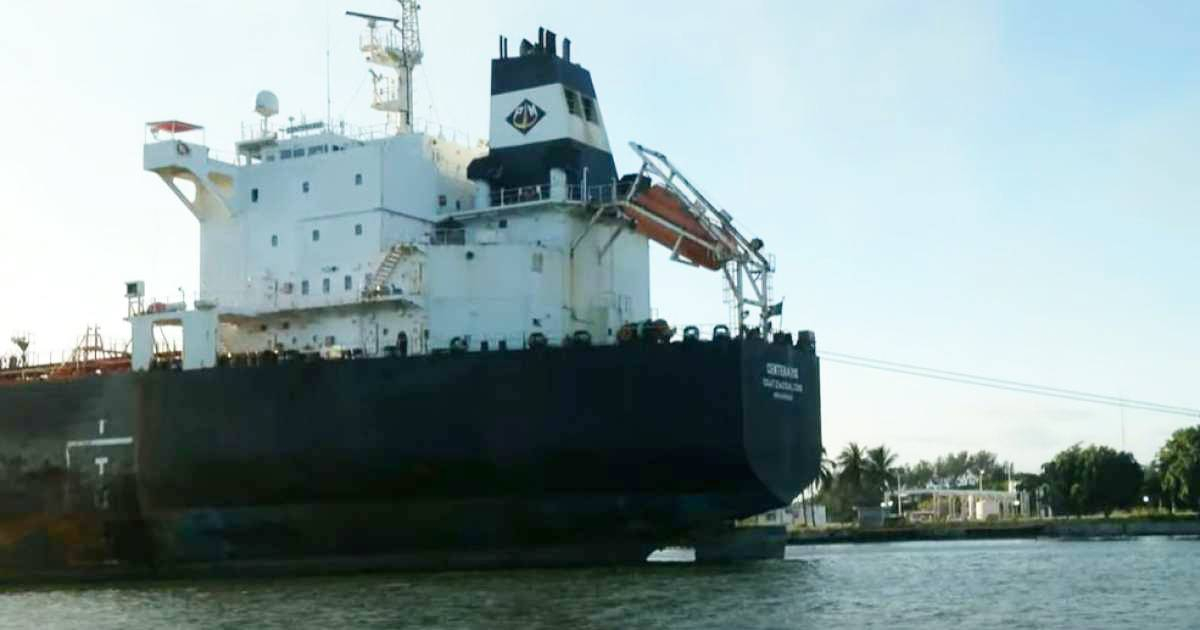
A recent quarterly report from Pemex to the U.S. Securities and Exchange Commission reveals a sharp decline in Mexico's oil exports to Cuba, with shipments averaging a mere 900 barrels daily from January to March 2026. This modest volume, valued at around $14.2 million, accounted for just 0.2% of Pemex's total exports during the period.
This represents a dramatic 96% decrease compared to 2025, when Pemex sent 15,000 barrels of crude and 2,200 barrels of petroleum products per day to the island, valued at $500 million, making up 3.1% of their total crude exports at the time.
Impact of U.S. Sanctions
The drastic reduction is attributed directly to pressure from Washington. On January 29, 2026, President Donald Trump signed an executive order imposing additional tariffs on countries exporting oil to Cuba, prompting Mexico to almost entirely halt its oil shipments. The last batch of Mexican crude reached Cuba in January, just before the tariff threat took effect.
Corporate Changes Amidst Controversy
By the end of the first quarter, on March 31, Pemex rebranded its subsidiary responsible for shipments to Cuba, changing its name from Gasolinas Bienestar to Servicios Logísticos Integrales Mumiya, S.A. de C.V. In its report to the U.S. regulatory authorities, Pemex stated that "sales by Servicios Logísticos Integrales Mumiya, S.A. de C.V. are conducted under contracts denominated in pesos at prevailing market rates" with protocols in place to ensure legal compliance.
However, transparency of these transactions has been questioned. The Mexican newspaper Vanguardia repeatedly requested payment records from Pemex regarding Cuba, receiving no response with the explanation that it involves private matters.
Economic Strain on Cuba
Eduardo Bohórquez, director of Transparencia Mexicana, emphasized to the media that the government and the state oil company should be compelled to disclose amounts and payment receipts, given that federal resources are involved.
Pemex CEO Víctor Rodríguez Padilla declared in February that Cuba is meeting its financial obligations: "If asked whether Cuba is paying, the answer is yes; we have no overdue invoices under the contract. They are very prompt in their payments."
The reduction in Mexican shipments exacerbates an unprecedented energy crisis in Cuba. The island requires about 110,000 barrels of oil daily but produces only around 40,000 domestically.
Efforts to Resume Oil Deliveries
Venezuela, formerly Cuba's primary supplier, ceased its shipments in December 2025 after reducing them from 24,000 barrels per day in 2023 to just 9,528 in 2025. A Russian donation of 100,000 metric tons of crude received in March 2026 is projected to run out by June, with no new shipments confirmed.
On June 11, the U.S. imposed sanctions on CUPET, Cuba's state oil company, prompting Vanguard Energy to halt a planned delivery of 250,000 barrels and causing Australian oil company Melbana Energy to suspend its operations on the island.
In this challenging context, President Claudia Sheinbaum announced that Mexico is working to resume oil exports to Cuba through private companies with commercial permits, rather than directly via Pemex. "It's not that it has resumed, but the mechanism would be through private companies authorized to deliver the fuel to Cuba," she stated during her daily press briefing, adding, "We hope it can resume soon commercially. It's not a humanitarian issue, but a commercial one."
Frequently Asked Questions about Mexico's Oil Exports to Cuba
Why did Mexico reduce its oil exports to Cuba?
Mexico reduced its oil exports to Cuba primarily due to U.S. pressure, as President Donald Trump signed an executive order imposing additional tariffs on countries exporting oil to Cuba.
How has the reduction in oil exports affected Cuba?
The reduction in Mexican oil exports has intensified Cuba's energy crisis, as the island is heavily reliant on oil imports and currently faces a significant shortfall in its energy supply.
What measures is Mexico taking to resume oil exports to Cuba?
Mexico plans to resume oil exports to Cuba through private companies with commercial permits, rather than directly through Pemex.