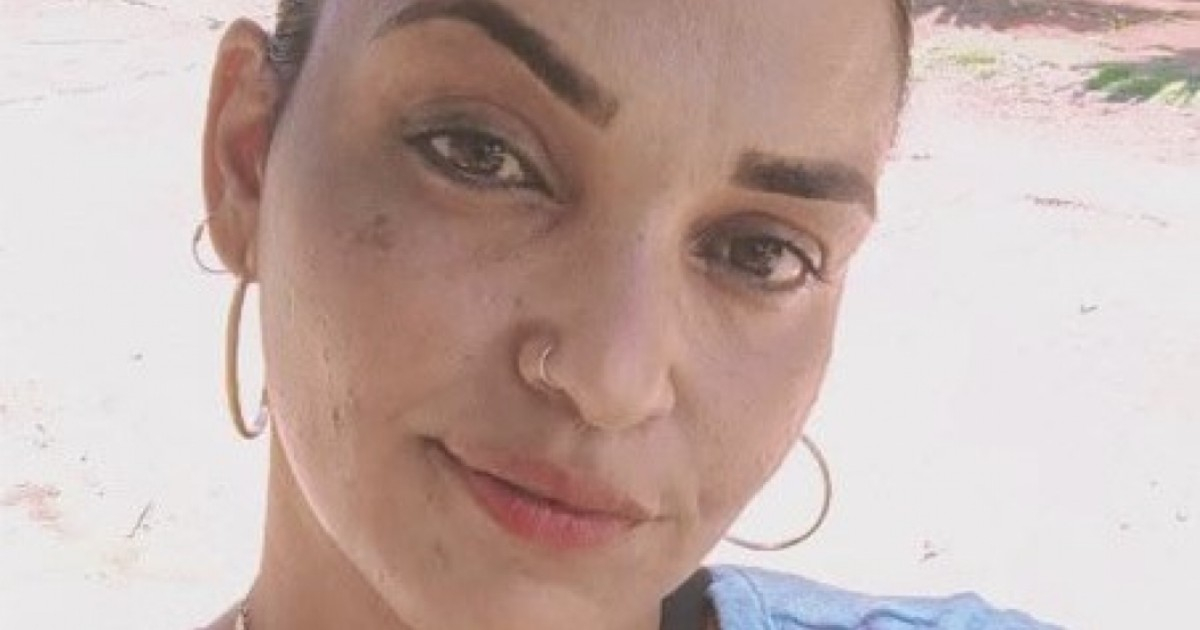
On Monday, residents of Guanabo, a coastal district in Habana del Este, gathered outside the local government offices, demanding access to basic necessities such as potable water, electricity, and food. This demonstration, captured in a Facebook post by local resident Sisi Aguilera, quickly gained traction with over 17,000 views.
In a follow-up video, Aguilera paints a grim picture of a community pushed to its limits, grappling with a lack of food, undrinkable water, and relentless power outages. "This is no longer about mere discomfort; it's about the survival of thousands of families," she emphasized.
Aguilera's frustrations were directed at the local government’s failure to address a seemingly solvable issue: a broken motor in the water pumping system that has gone unfixed for an extended period. She clarified, "We're not talking about the national electricity crisis. This is about something as simple as a malfunctioning motor that hasn't been repaired."
Dire Water Conditions in Guanabo
The water supplied to Guanabo households is brackish and unfit for consumption, posing a severe risk particularly to the elderly, children, and those with health conditions. Aguilera urged, "Understand that Guanabo lacks potable water, that brackish water isn't safe to drink, and there are vulnerable groups relying on this basic service."
Aguilera was forthright in her critique of local government officials, stating, "If those in charge of the People's Power can't provide solutions or fulfill their responsibilities, they should step aside. There are actions that can be taken, but they aren't being done."
She concluded her message with a powerful call: "The people deserve answers, respect, and tangible actions. We can't wait any longer."
Escalating Tensions and Broader Unrest
This recent protest is not an isolated incident. Just last week, residents reported enduring blackouts, water shortages, and garbage accumulation, with some resorting to camping on the beach to escape the heat.
Activist María Elena Mir Marrero told Martí Noticias that Guanabo is in a "terminal phase," asserting that the community "can't take it anymore."
The unrest in this coastal locality is part of a larger wave of popular protests across Cuba, the most significant since July 11, 2021. The Cuban Conflict Observatory recorded 1,311 protests in May, marking the highest monthly total ever documented. In June, demonstrations have spread throughout Havana, affecting areas such as Centro Habana, San Miguel del Padrón, La Güinera, Santos Suárez, Regla, and Avenida Carlos III, among others.
In response, the regime has resorted to deploying special forces, cutting internet access, and making arbitrary arrests. The Cuban Human Rights Observatory reported 332 repressive actions in May, including 55 detentions and a record number of 1,281 political prisoners.
Understanding the Protests in Cuba
What triggered the protests in Guanabo?
Residents of Guanabo protested due to severe shortages of potable water, electricity, and food, exacerbated by the inaction of local authorities.
How has the Cuban government responded to these protests?
The Cuban government has responded by deploying special forces, cutting internet access, and making arbitrary arrests to quell the protests.
What are the broader implications of these protests?
These protests are part of a larger wave of unrest across the country, reflecting widespread dissatisfaction with the government and worsening living conditions.
What is the Cuban Conflict Observatory?
The Cuban Conflict Observatory is an organization that tracks and documents protests and repressive actions throughout Cuba.