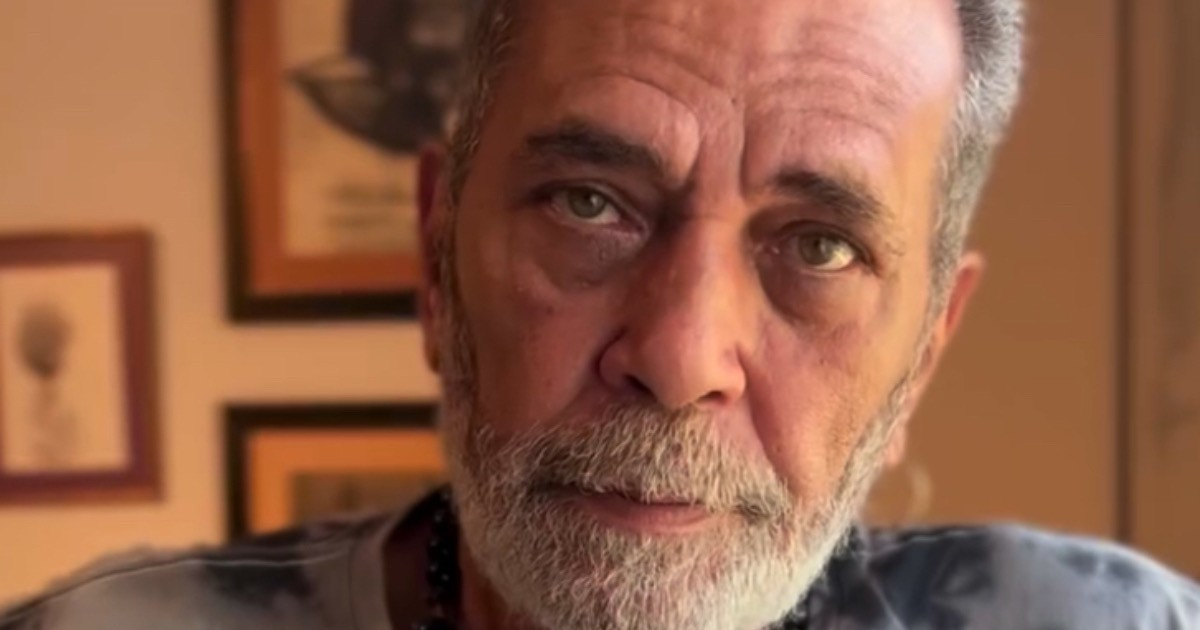
Cuban actor Luis Alberto García took a bold stance on Monday, questioning the Cuban regime directly about whether they have any strategies in place to address the looming electricity crisis during the scorching months of July and August, when the demand for power peaks across the island.
In a candid post on his Facebook profile, García expressed his frustration: "Listen up... guys behind the measures: three hours of electricity isn't enough to cool the food we struggle to get after it thaws during blackouts lasting over 20 hours. Are there any plans to make our lives even a bit less miserable in July and August? And what about for the rest of our days?"
This statement reflects the pent-up frustration from months of hardship: three hours of power simply don't suffice to keep food fresh, especially when prolonged outages leave it vulnerable to spoilage.
Living in Cuba and enduring these hardships firsthand, García has been documenting the crisis on social media for weeks. On May 25, he highlighted the impact on children, noting blackouts of up to 22 hours a day in Havana.
On June 1, he described an extreme weekend of outages, with only two to four hours of power in 24 hours, remarking, "This weekend HAD NO END."
By June 10, he accused the "rulers" of abandoning the people with the simple directive of "screw you," sarcastically echoing the government's stance on the crisis.
Six days later, he mocked the Cuban power plants by likening them to passports with "multiple entry and exit visas" due to their frequent breakdowns. He insisted that leaders should endure the same hardships as the people: hunger, blackouts, lack of medicine, and meager wages.
The situation García describes is corroborated by official data from the electrical system. In June, the Union Eléctrica reported an available capacity of just 960 MW against a demand exceeding 2,600 MW, with deficits during peak hours surpassing 2,000 MW.
Over 106 distributed generation plants were offline due to fuel shortages. In Santiago de Cuba, residents received only one to two hours of electricity daily. In areas like Playa, Havana, there were blackouts lasting up to 40 hours continuously.
The government's response has been limited to reorganizing rationing blocks and prioritizing hospitals, without addressing the core issue. Independent experts estimate that revamping Cuba's electrical system would require between 8 to 10 billion dollars, a sum the regime neither possesses nor is likely to secure.
The outlook for the coming months is bleak: in previous Julys and Augusts, daily power outages averaged 16 hours, precisely when extreme heat drives up consumption. García's question — "and for the rest of our days?" — encapsulates a despair that extends well beyond the summer months.
Understanding Cuba's Power Crisis
What is the current electricity supply situation in Cuba?
As of June, Cuba's electricity supply is critically low, with only 960 MW available compared to a demand of over 2,600 MW, leading to frequent and prolonged blackouts.
How are the power outages affecting daily life in Cuba?
The blackouts are severely impacting daily life, with insufficient electricity to preserve food, affecting children's well-being, and leading to economic hardship due to the lack of consistent power supply.
What solutions are being proposed to address the power crisis in Cuba?
Currently, the government has focused on reorganizing rationing without tackling the root causes. Experts suggest a complete overhaul of the electrical system, but this requires substantial financial investment.