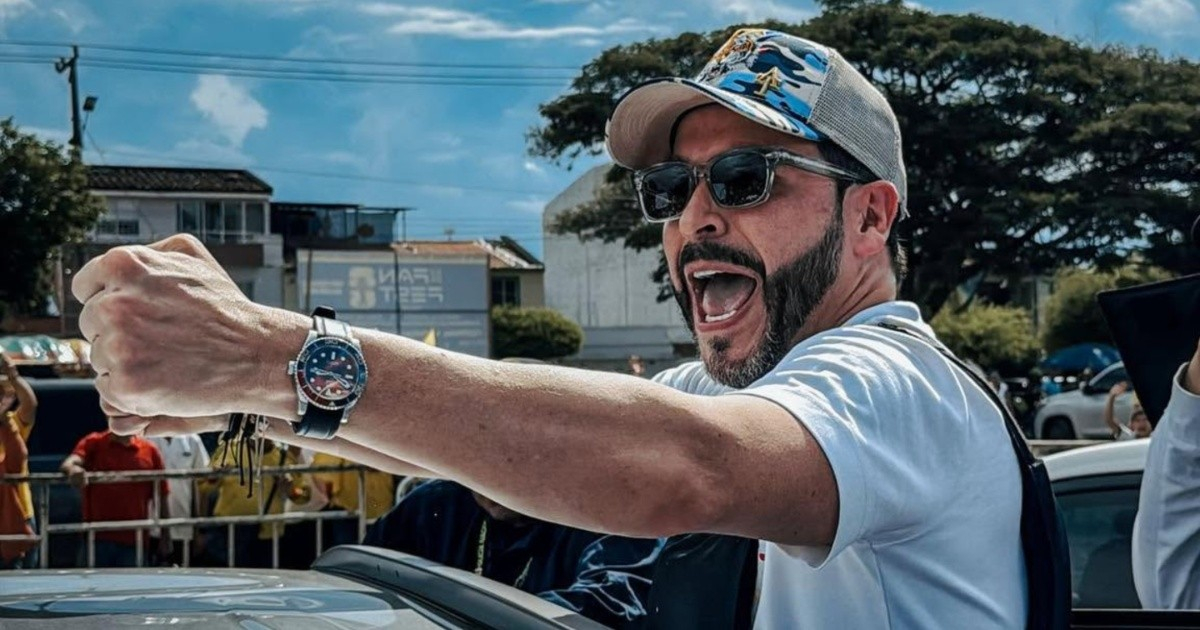
In a surprising twist, right-wing contender Abelardo de la Espriella emerged victorious in Colombia’s presidential runoff on Sunday, according to preliminary results from the National Registry. De la Espriella is set to take office on August 7, 2026, marking the end of Gustavo Petro’s four-year leadership.
With an impressive 99.58% of polling stations reported, De la Espriella secured 49.66% of the vote—approximately 12,914,381 ballots—while his opponent, Iván Cepeda Castro of the Historic Pact, garnered 48.69%, or 12,663,687 votes. The narrow margin of roughly 250,000 votes defied the predictions of pollsters who anticipated a more comfortable lead of five to seven percentage points for De la Espriella.
“We beat the gun vote, vote-buying, traditional parties, corruption, the usual suspects, and the guerrillas. COLOMBIA WON,” the newly elected president proclaimed on social media platform X after learning of the preliminary results.
The Rise of a Political Outsider
A criminal defense attorney without prior public office experience, De la Espriella is a political newcomer who rose to prominence with a campaign focused on a tough-on-crime stance, free-market policies, and a firm rejection of regional socialism. His approach earned him comparisons to figures like Javier Milei, Nayib Bukele, and Donald Trump.
On June 2, Trump publicly offered his “total and absolute support” for De la Espriella via Truth Social, praising him as an “intelligent, strong, and decisive” leader.
Shifting International Relations
In terms of foreign policy, the president-elect aims to establish a bilateral military agreement with the United States. This so-called “second Plan Colombia” would leverage drones and artificial intelligence, while also isolating the regimes in Venezuela and Cuba. This marks a significant departure from Petro’s foreign policy, which maintained ties with Havana and Caracas.
Outgoing President Gustavo Petro has refused to acknowledge the preliminary count, alleging “many irregularities” on X, particularly in E-14 forms lacking jury signatures. “We cannot yet determine who is president, and there are many irregularities. Tables without jury signatures must be immediately challenged,” he insisted.
Political Tensions on the Rise
This is not Petro’s first time disputing an electoral outcome; he also rejected the preliminary results of the first round on May 31, an unprecedented move in Colombia’s democratic history, with claims dismissed by international observers.
Cepeda’s campaign similarly declared it would not accept the results until official tallies are available and intends to contest voting stations where votes were allegedly bought on the Caribbean coast.
Interior Minister Armando Benedetti reported the presence of “marked ballots, with stripes or dots” in 14 departments across the country.
The political climate has alarmed analysts and lawmakers alike. Green Party Congressman Juan Carlos Lozada warned that Petro’s persistence could “set the country ablaze,” adding that denying the results “threatens Colombia’s institutional stability.”
Senator-elect Andrés Forero was more pointed: “The arsonist continues to foster the rejection of electoral results and the subsequent coup attempt.”
Conversely, the Organization of American States’ Electoral Observation Mission confirmed that the election day proceeded “without public order disruptions,” with its head Albert Ramdin urging leaders to “act responsibly and peacefully accept” the outcomes “so that governance can continue.”
In response, De la Espriella maintained composure: “We will accept the results, we are democrats, even though we were unable to visit several regions of the country and with a president and ministers campaigning against us.”
The official count, starting Monday in the scrutinizing commissions and progressing to the National Electoral Council, will decide whether the preliminary results hold or if the ruling party’s challenges alter the outcome of an election that has sharply divided Colombia.
Key Questions on Colombia's Political Shift
What were the key issues in Abelardo de la Espriella's campaign?
De la Espriella's campaign centered on a tough approach to crime, advocating free-market policies, and opposing regional socialism.
How did Gustavo Petro react to the election results?
Petro refused to recognize the preliminary results, citing irregularities and calling for a challenge of polling stations lacking jury signatures.
What international reaction did De la Espriella receive?
De la Espriella received public support from Donald Trump, who praised him as an intelligent and decisive leader.
What are the implications of De la Espriella's proposed foreign policy?
His foreign policy suggests a significant shift, including closer military ties with the United States and isolating Venezuela and Cuba.