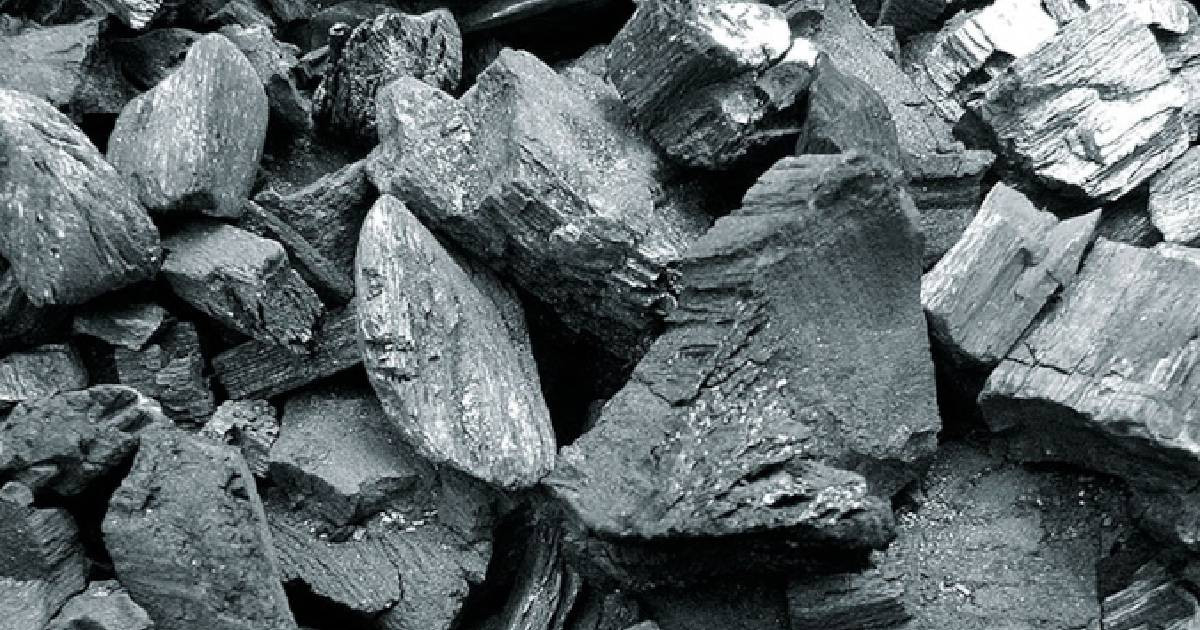
Amidst a worsening charcoal shortage, the authorities in Camagüey have unveiled a plan to control the distribution of charcoal by setting an official price of 70 pesos per kilogram and managing sales through defense zones. This new strategy aims to curb rampant speculation, as confirmed by the state-run newspaper, Adelante.
Municipal Manager Lázaro Echeverría Rodríguez addressed the media, detailing that the distribution would commence on Saturday, June 20. Charcoal will be sold in 20-kilo bags priced at 1,400 pesos, a significant reduction from the 3,500 to 4,000 pesos these bags fetch on the black market.
"We cannot allow speculative pricing," declared Echeverría, attributing rising costs to higher production expenses, notably the fuel required for cutting and transporting the charcoal.
Limited Supplies and Prioritized Distribution
The initial rollout includes 1,700 bags: 1,200 sourced from other municipalities and 500 produced locally. Echeverría acknowledged that this supply falls short of meeting actual demand.
Instead of traditional sales outlets, distribution will occur through defense zones, facilitating direct sales from producers to consumers without intermediaries.
"Producers won't sell to middlemen who inflate prices. The goal is to deliver charcoal to areas most in need: places with extended power outages, communities without water, neighborhoods where people lack cooking fuel," Echeverría emphasized.
Addressing Vulnerable Groups and Market Practices
Priority will be given to eight vulnerable groups identified by the Labor Department before broader distribution. The government also encourages selling by the can rather than by the sack, aiming to stretch supplies across more families.
In dealing with sellers who refuse to lower prices, the official stance is not to confiscate but to enforce sales at the official rate. "We haven't seized anyone's charcoal in our city. All producers and sellers can continue operating, but at a fair price," stated the municipal manager.
Camagüey has 43 base entities—comprised of 33 cooperatives and 10 Basic Enterprise Units—engaged in charcoal production. However, a portion of this output must support social consumption needs, including 24 Family Care Systems, 23 kindergartens, semi-boarding schools, and three orphanages.
The Broader Energy Crisis
This charcoal crisis reflects the broader energy collapse in Cuba, where many provinces endure blackouts lasting 22 to 42 hours, and liquefied gas is nearly impossible to obtain. Consequently, marabou charcoal has become the default cooking fuel for millions of families.
Charcoal prices soared from 900-1,400 pesos in December 2024 to between 3,200 and 5,000 pesos by June, depending on the region, in a country where the average official monthly salary is about 6,930 pesos.
Ironically, Cuba exports the same charcoal to Europe. An economic partnership in Camagüey shipped over 150 tons to Europe in the first quarter of 2026, aiming for an annual export goal of 4,000 tons.
In another municipality, Guáimaro, authorities have fined those attempting to produce marabou charcoal artisanally to address local shortages, while the State fails to ensure supply.
Echeverría admitted that this is merely the first step, as current local production is insufficient and speculation requires sustained action, not just good intentions, to be controlled.
Understanding the Charcoal Shortage in Camagüey
Why has the price of charcoal increased in Camagüey?
The price of charcoal has risen due to increased production costs, particularly for fuel used in cutting and transporting the charcoal, along with market speculation.
What measures is the government taking to address the charcoal crisis?
The government is implementing a strategy of controlled distribution through defense zones, setting official prices, and prioritizing vulnerable groups to mitigate speculation and ensure fair access.
How does the charcoal crisis relate to Cuba's broader energy issues?
The crisis is part of a larger energy collapse in Cuba, where prolonged blackouts and scarce liquefied gas have forced many to rely on charcoal as the primary cooking fuel.