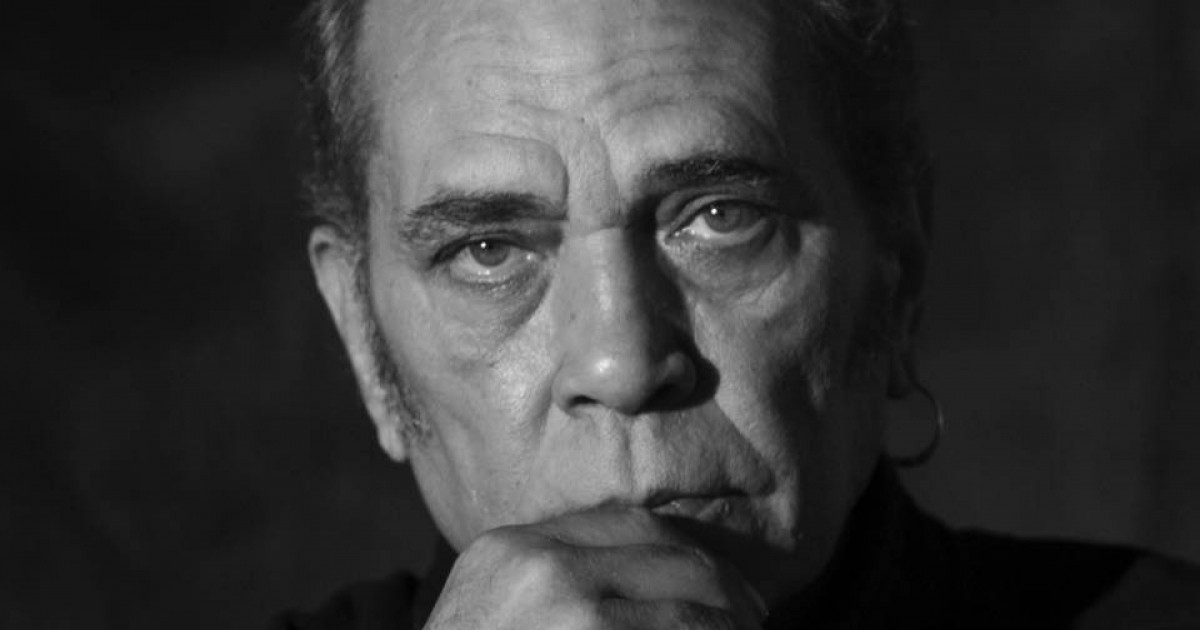
On Sunday, Cuban actor Luis Alberto García shared a lengthy post on his Facebook profile, demanding that no officials from the Communist Party of Cuba, state representatives, deputies, or military leaders—whether active or retired—should be allowed to become entrepreneurs or shareholders under the guise of recently approved economic reforms by the regime. He insists that their assets must be audited by an independent body, separate from the government and the Party.
Concerns Over Economic Reforms
The actor's statement comes just days after Prime Minister Manuel Marrero Cruz presented a package of 176 economic measures to the National Assembly. These measures include the authorization of private banking, the transformation of state enterprises into joint-stock companies, and increased openness to foreign investment. Analysts describe this as the regime's most significant economic shift in decades.
The Danger of Influence and Power
García was unequivocal in his Facebook post: "No PCC officials or former officials, no state representatives, no deputies, no active or retired military leaders, nor their relatives or associates, should lead businesses or become investors or shareholders in upcoming enterprises." He highlighted the danger not only of those who amassed wealth but also those who wielded influence and market control over decades, warning that this should disqualify them to prevent influence peddling.
Lessons from History
To underline the risk, García drew a parallel with the fall of the Eastern European communist bloc, where party officials and high-ranking military officers rapidly transformed into wealthy business magnates post-collapse. He pointed out that similar patterns are already visible in Cuba, citing the economic rise of individuals from the political, ideological, and military elite.
A specific example is GAESA (Grupo de Administración Empresarial S.A.), a conglomerate controlled by the Armed Forces, which dominates 40% to 70% of the Cuban economy with more than $18 billion in assets and a shadowy structure with companies registered in Panama, Cyprus, and Liberia.
Criticism of Reform Implementers
García clarified that his critique is not directed at the reforms themselves: "For the record, it's not the measures that bother me. Not at all. I've advocated for many of them since the last century. It's the implementers, hastily jumping on the reform bandwagon, playing roles in dismantling prohibitions they themselves erected."
He also questioned the credibility of officials who once labeled exiles as "worms" and now embrace reformist rhetoric: "It doesn't look good or credible to change positions so quickly. In my opinion, that's a weather vane with no criteria of its own, or waiting to benefit from what the 'new sharks' splash."
Expressing skepticism about the official discourse, García summed it up in one phrase: "I smell a lot of perestroika but little glasnost."
Call for Independent Media and Political Change
García also called for truly independent media, urged deputies to demand the release of political prisoners who merely voiced their disagreement with the regime, and criticized officials whose children are "scattered around the world in universities, graduate courses, or enjoying pure pleasure trips" while the government claims the homeland is in danger.
This is not the first time García has spoken out recently: on June 16, he publicly demanded that leaders experience the same hardships as the people, including hunger, blackouts, and medicine shortages.
His message concludes with an irony reflecting the daily reality of millions of Cubans: "I'll be able to read messages from friends and foes 'when they turn the lights on, my dear.'"
FAQs on Cuba's Economic Reforms and Leadership Concerns
What economic changes were introduced in Cuba's recent reforms?
The recent reforms in Cuba include the authorization of private banking, the transformation of state enterprises into joint-stock companies, and greater openness to foreign investment.
Why does Luis Alberto García oppose the involvement of PCC leaders in businesses?
Luis Alberto García opposes the involvement of PCC leaders in businesses to prevent the accumulation of economic power and influence by those who have historically controlled the markets, thereby avoiding influence peddling.
What is GAESA and why is it significant in this context?
GAESA (Grupo de Administración Empresarial S.A.) is a conglomerate controlled by the Cuban Armed Forces, managing a significant portion of the Cuban economy. It represents the intertwining of military and economic power, crucial to understanding concerns about economic reforms.