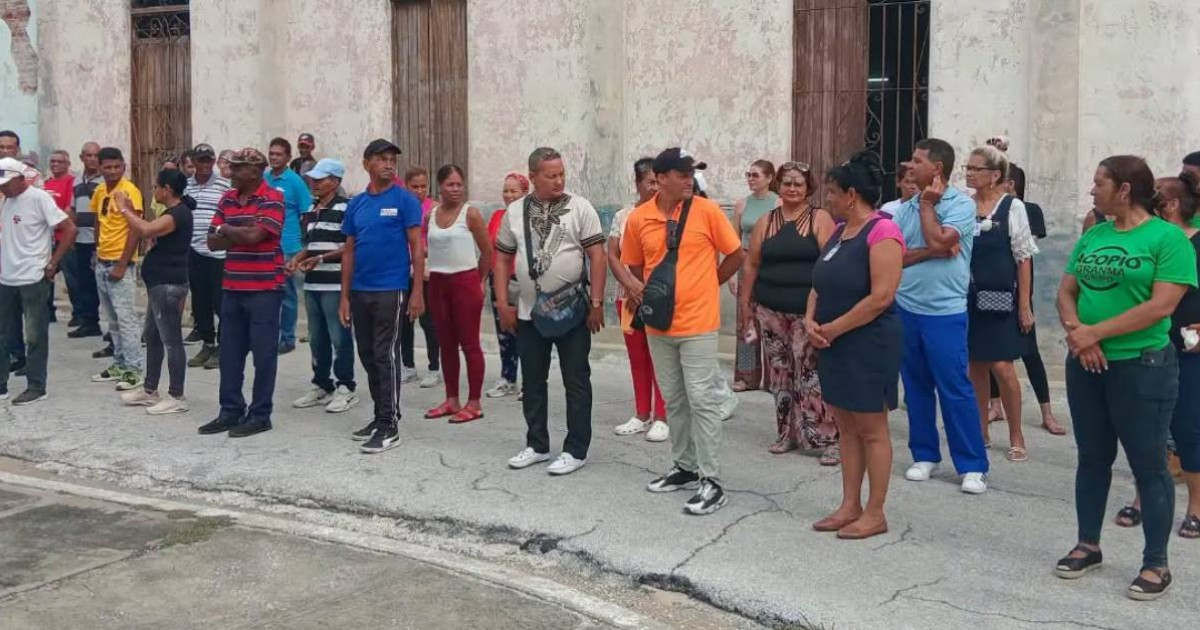
The Defense and Production Brigades of San Juan el Cristo in Bayamo recently conducted another military preparedness drill. This event, promoted by the regime on social media with the hashtag #LaPatriaSeDefiende, sparked a wave of critical commentary from Cubans frustrated by power outages and shortages.
Images of groups gathered in city squares and streets were shared on Facebook, depicting the brigades as "ready and prepared" for defense. However, the public's response was swift, with numerous comments questioning, "Prepared for what exactly?"—a question that became the focal point of a debate blending humor, indignation, and hopelessness.
One comment succinctly summarized the sentiment: "Lots of circus, little bread." Another user bluntly stated, "Three days without power, but here we go." A third user remarked, "If it's a production and defense brigade, then take them to a field to produce food."
This exercise is part of a broader campaign declaring 2026 as the "Year of Defense Preparation," with weekly sessions every Saturday under the "War of the Entire People" doctrine. Throughout the year, at least 15 National Defense Days have been held, including land and air drills in Cienfuegos and the 40th edition of the Meteoro 2026 exercise, involving Miguel Díaz-Canel himself.
The stark contrast between official rhetoric and Bayamo's reality hasn't gone unnoticed. Granma province is experiencing power outages lasting up to 48 hours, with a Cuban journalist reporting only 20 hours of electricity over a 10-day span in the city.
Despite this, the authorities prioritize military preparedness. "And the reward for participating: blackouts. Yes, indeed," wrote one Cuban. Another commented, "No power, no water, and a million miles of hunger, these people have no shame."
Some reflections were more profound: "Produce what? And defend what? Every day I understand less. Defend those who oppress them, don't feed them... how different from the Bayamo that set fire to its city. Hunger and doctrine have blinded them."
Comments also highlighted the supposedly voluntary nature of the exercise: "Forced by their workplace, many poor people haven't even had breakfast," noted one user. Another added, "I just want to know how this charade is going to change life in Bayamo."
Skepticism extended to those daring enough to post the images. "Right now, it's a high-risk sport to make these kinds of posts. But thanks for the photos," warned a commentator, referencing the repression critics of the regime might face.
This isn't the first drill to be met with widespread ridicule in Cuba. Previous exercises in other provinces had already been mocked for using ox teams and outdated equipment to block roads, while the regime mobilized "fighters" to explain blackouts to a populace all too familiar with them.
One Cuban summed up the situation in the comments: "The more hunger and needs they have, the more they support their dictators. The circus will continue as long as there are people applauding the clowns."
Understanding the Cuban Defense Drills and Public Reaction
What is the purpose of the defense drills in Bayamo?
The defense drills in Bayamo are part of a larger campaign declared by the Cuban regime, designating 2026 as the "Year of Defense Preparation." These exercises are intended to prepare the populace for defense under the doctrine of the "War of the Entire People."
How did the public react to the defense drills?
The public response was largely critical, with many Cubans expressing their frustration through social media. The drills were mocked and questioned, with many comments highlighting the disparity between the regime's actions and the everyday struggles faced by citizens, such as power outages and food shortages.
Why are the drills seen as controversial?
The drills are controversial because they occur amidst significant economic hardships for the population, including prolonged power outages and scarcity of basic necessities. The emphasis on military preparedness over addressing these urgent needs has led to public skepticism and criticism.