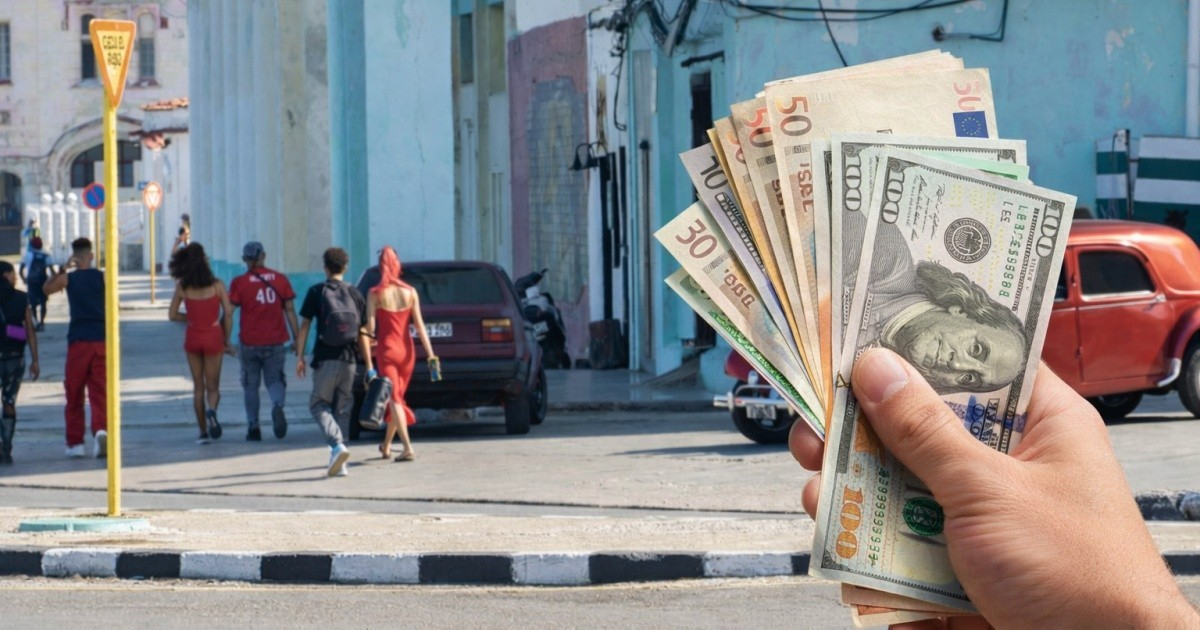
The Cuban government has announced a significant shift in its financial policies by authorizing private banks, non-banking financial institutions, private currency exchanges, and private remittance operators. These changes are part of a comprehensive package of 176 economic and social measures unveiled by Prime Minister Manuel Marrero Cruz to the National Assembly of People's Power.
Under the so-called Axis 11 focused on the banking, financial, and currency system, the initiatives include allowing individuals and businesses to open foreign currency accounts without prior approval, regulating virtual assets and financial technologies, removing limits on bank transfers and withdrawals, and establishing a real-time digital currency exchange market.
The measures were presented during the Third Extraordinary Session of the National Assembly, as reported by Granma, the official publication of the Communist Party of Cuba.
Private Capital and Banking Reforms
Among the proposed changes is the involvement of both domestic and foreign private capital in the banking sector. The plan includes the creation of private banks and non-banking financial institutions to operate under the supervision of the Central Bank of Cuba.
Additionally, the establishment of entities specializing in microcredits—an almost non-existent tool in Cuba's financial system until now—will be permitted.
Enhancements in Currency Exchange
The reform package also allows individuals and businesses to open foreign currency accounts without needing prior administrative approval. It includes the regulation of virtual assets and financial technologies (fintech) for both domestic and international transactions.
Part of the changes involves granting Transfermóvil a license as a non-banking financial institution, expanding its role in the nation's digital financial services.
One of the most notable changes is the overhaul of the currency exchange market. The government announced plans to restructure the official currency market by involving non-state economic actors, permitting private currency exchanges, and authorizing private remittance operators.
Adjustments to Monetary Policies
The proposal includes the creation of a real-time digital currency exchange market with authorized agents and the introduction of a currency auction system.
The authorities also foresee successive devaluations of the Cuban peso to bridge the gap between various existing exchange rates. The document presented to the Assembly warns that state enterprises unable to adapt to the new exchange conditions might face liquidation.
The reforms also aim to formalize remittances through authorized private channels. This includes establishing the role of a "last-mile payment agent" and creating state and private non-banking financial institutions to manage financial flows and currency exchange operations.
Impact on Non-State Economic Actors
These measures emerge amid the growing importance of the informal currency market and the state's challenges in capturing hard currency through official channels.
The package includes changes affecting micro, small, and medium-sized enterprises (MSMEs), cooperatives, and other non-state economic actors. These changes allow for cash deposits in foreign currency into bank accounts and subsequent withdrawals in the same currency, provided the funds' legal origin is declared.
This reverses the restriction imposed since June 2021, when the Central Bank of Cuba halted the acceptance of U.S. dollar cash deposits in the national banking system.
Moreover, limits on bank transfers and cash withdrawals for both national and international individuals and entities will be lifted.
The financial reforms are part of a broader package that includes modifications in state-owned enterprises, foreign investment, the tax system, pricing policy, foreign trade, and the role of non-state economic actors.
Among the announced measures are increased private sector participation in various economic sectors, new forms of foreign investment, the creation of input markets, changes in pricing structures, and adjustments in state-enterprise relations.
While the government insists these measures do not alter the core of the socialist model, the introduction of private banks, remittance operators, and private currency exchanges marks an unprecedented shift in financial policy over recent decades, signaling a partial reduction of the state's exclusive control over these activities.
Implementing these measures will require extensive regulatory reform. According to the presentation to the National Assembly, the transformations will impact over 148 provisions of Cuba's legal framework and necessitate repealing, amending, or creating dozens of regulations, including 10 laws, 14 decree-laws, and eight decrees.
Cuba's Financial Overhaul: Key Questions
What major changes are included in Cuba's financial reform?
The reform includes authorizing private banks, currency exchanges, and remittance operators, allowing foreign currency accounts without prior approval, and restructuring the currency market, among other measures.
How will the currency exchange market be restructured?
The government plans to involve non-state actors in the official currency market, authorize private currency exchanges, and implement a real-time digital currency exchange market with a currency auction system.
What impact will these changes have on state enterprises?
State enterprises that cannot adapt to the new exchange conditions may face liquidation, as the reforms aim to close the gap between different exchange rates.